Protein Coffee
15 Results
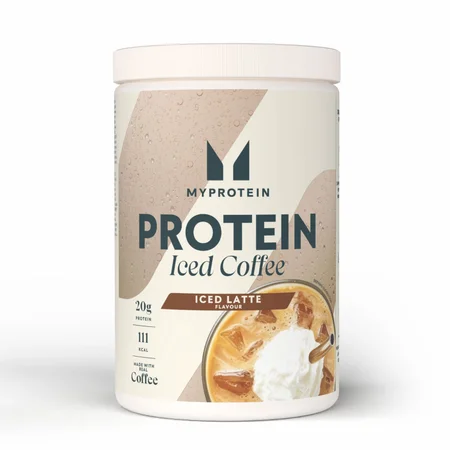
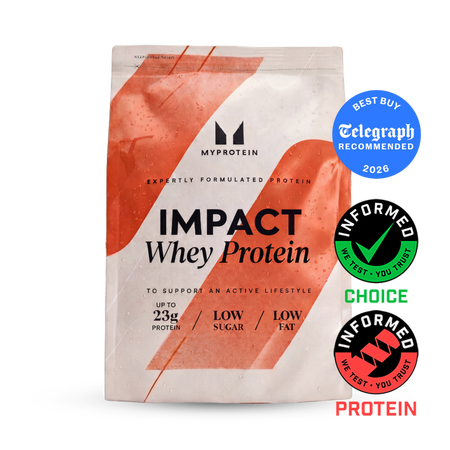

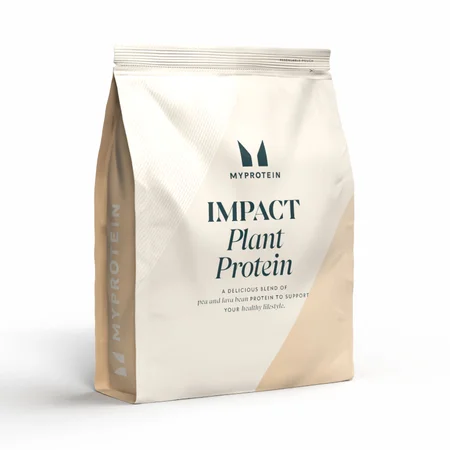
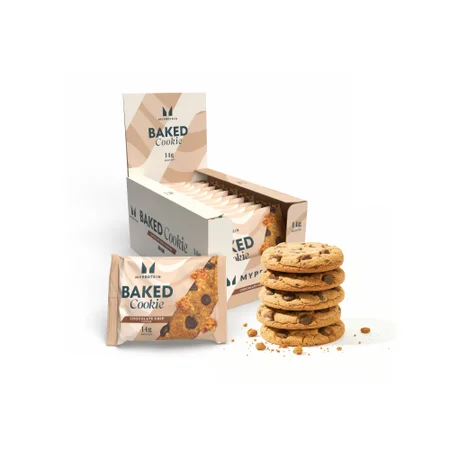
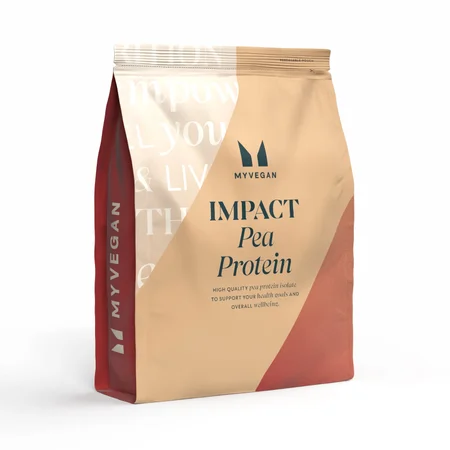
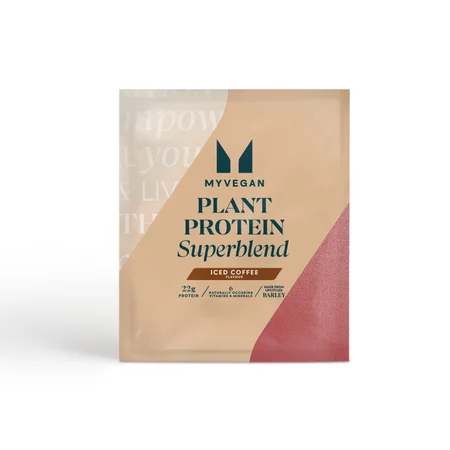
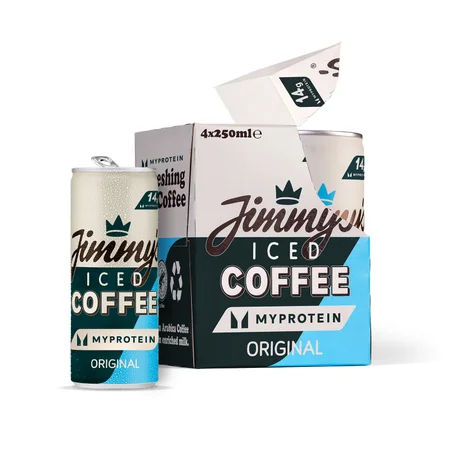

Shop Protein Coffee at Myprotein
Protein coffee combines two essentials into one convenient drink. These products deliver protein alongside the caffeine and flavour you'd expect from your morning brew, making them a practical choice for anyone looking to streamline their nutrition routine without compromising on taste.
Available in ready-to-drink formats and powders, protein coffee fits easily into busy schedules. Whether you're heading to the gym, starting your workday, or need a mid-afternoon pick-me-up, these products provide a straightforward way to get quality protein with the familiar taste of coffee.
Who Protein Coffee Is For
Protein coffee works well for anyone who regularly drinks coffee and wants to add protein to their daily intake. This includes gym-goers, office workers, students, and anyone juggling multiple commitments who needs efficient nutrition. It's particularly useful for people who skip breakfast or struggle to fit in proper meals between activities.
These products suit both regular coffee drinkers looking to upgrade their daily cup and fitness enthusiasts who want protein without the hassle of mixing shakes separately. If you're already reaching for coffee each morning, switching to a protein-enriched version simply adds nutritional value to an existing habit.
When to Use Protein Coffee
Morning is the most popular time for protein coffee, replacing your standard breakfast beverage with something that provides both caffeine and protein. Many people drink it on the commute to work or immediately after waking, making it an efficient start to the day. The ready-to-drink formats are especially convenient when you're rushing out the door.
Pre-workout timing works well too, particularly for early morning training sessions where you want both energy and protein. Some people also use protein coffee as an afternoon alternative to regular coffee, adding nutritional value to their usual caffeine routine. The powder formats give you flexibility to adjust serving sizes and timing based on your schedule.
Protein Coffee Benefits
Convenient Protein Intake
Protein coffee eliminates the need for separate shakes and drinks. You get your caffeine and protein in one serving, reducing the number of products you need to prepare and consume. This simplicity makes it easier to meet daily protein targets, especially during hectic mornings or when travelling.
Familiar Coffee Flavour
These products taste like actual coffee rather than artificially flavoured protein shakes. The coffee flavour masks the typical protein powder taste that some people find off-putting, making protein intake more enjoyable. Many varieties use real coffee extracts and beans to deliver authentic taste.
Supports Muscle Maintenance
With substantial protein content per serving, protein coffee contributes to the maintenance of muscle mass1. Regular protein intake throughout the day helps maintain lean tissue, particularly important for anyone training regularly or looking to preserve muscle whilst managing their overall nutrition.
Time-Saving Nutrition
Combining two drinks into one saves valuable time during busy schedules. There's no need to prepare coffee separately from your protein shake, clean multiple containers, or carry different beverages. This efficiency matters most during rushed mornings or when juggling work, training, and other commitments.
Popular Picks
Looking for classic protein powder? Impact Whey Protein Powder provides complete protein from soy isolate. It mixes smoothly into coffee or plant-based milk, making it suitable for vegans, vegetarians, or anyone preferring soy protein sources.
FAQs
What is protein coffee?
Protein coffee is a beverage that combines coffee with protein powder or protein isolate. These products typically contain 15-25g protein per serving alongside caffeine from real coffee or coffee extracts. They're available as ready-to-drink cans or bottles, and as powders you mix yourself.
The protein usually comes from whey, milk protein, or plant-based sources like pea and soy. Coffee content varies by product but generally provides similar caffeine levels to a standard cup of coffee, typically 80-150mg per serving.
How does protein coffee compare to regular protein shakes?
Protein coffee contains similar protein levels to standard shakes but includes coffee flavour and caffeine. Regular protein shakes typically use chocolate, vanilla, or fruit flavours without the caffeine boost. Both deliver comparable protein content, usually 20-25g per serving.
The main difference is taste and stimulant content. Protein coffee suits people who already drink coffee daily and want to combine their caffeine and protein intake. Regular shakes work better for evening consumption or for anyone avoiding caffeine.
Can I make my own protein coffee at home?
Yes, you can add protein powder directly to coffee or cold brew. Coffee-flavoured protein powder works best, but unflavoured or vanilla varieties also mix well. Start with cold or room temperature coffee for better mixing, as hot coffee can cause some proteins to clump.
Use a blender or shaker for smoothest results. Many people prefer cold brew or iced coffee as the base since it mixes more easily than hot coffee. You can also blend protein powder with espresso and milk for a protein-enriched latte.
When should I drink protein coffee?
Most people drink protein coffee first thing in the morning, replacing their regular breakfast coffee with a protein-enriched version. It works well as a quick breakfast option when you're short on time. The combination of protein and caffeine provides a practical start to the day.
Pre-workout timing suits early morning training sessions, giving you both energy from caffeine and protein. Some people also use it mid-morning or early afternoon as a protein-rich alternative to their usual coffee break, though avoid drinking it late in the day if you're sensitive to caffeine.
Does protein coffee powder mix well?
Coffee-flavoured protein powders generally mix smoothly when added to cold or room temperature liquids. They work best in shakers with a mixing ball or in blenders. Mixing directly into hot coffee can cause clumping with some protein types, particularly whey.
For best results with hot coffee, let the coffee cool slightly first, add the powder to a small amount of cold liquid to create a paste, then gradually add the coffee. Alternatively, use ready-to-drink protein coffee products which require no mixing at all.
Is protein coffee suitable for vegans?
Vegan protein coffee options exist using plant-based proteins like pea, soy, or rice protein combined with coffee flavouring. Check the label carefully as many protein coffee products use whey or milk protein, which aren't vegan-friendly.
You can easily make vegan protein coffee at home by mixing plant-based protein powder with coffee and your preferred plant milk. Many vegan protein powders come in coffee flavour specifically for this purpose.
How much caffeine is in protein coffee?
Caffeine content varies by product, typically ranging from 80-150mg per serving. This is comparable to a standard cup of coffee, which usually contains 80-100mg. Ready-to-drink protein coffee products list caffeine content on the label.
Coffee-flavoured protein powders may contain less caffeine or none at all, depending on whether they use real coffee extract or just coffee flavouring. Check the ingredients list if you're monitoring caffeine intake or drinking protein coffee later in the day.
Can I drink protein coffee every day?
Daily protein coffee consumption fits easily into most nutrition routines as long as it aligns with your overall protein and caffeine targets. Count the protein content towards your daily protein goal, and consider the caffeine as part of your total daily caffeine intake.
Most adults can safely consume up to 400mg caffeine per day from all sources. If you're drinking protein coffee plus additional coffee or caffeinated beverages, keep track of your total caffeine to stay within comfortable limits.
Who developed Myprotein's protein coffee range?
Myprotein's expert nutritionists developed these products to combine quality protein with authentic coffee taste. The formulations focus on delivering effective protein doses whilst maintaining the flavour profile that coffee drinkers expect.
The range includes both ready-to-drink options and powders, created to fit different lifestyles and preferences. Each product undergoes testing to ensure it meets Myprotein's quality standards for protein content, taste, and mixability.
What's the difference between coffee protein powder and coffee flavour protein?
Coffee protein powder typically contains actual coffee extract or freeze-dried coffee, providing both coffee flavour and caffeine. Coffee flavour protein uses coffee flavouring without necessarily including real coffee, which means it may have little to no caffeine content.
Check the ingredients list and nutritional information to determine which type you're getting. If caffeine content is listed, the product likely contains real coffee. If you want the coffee taste without the stimulant effect, look for products marked as ”coffee flavoured” rather than ”coffee protein.”
1. Protein contributes to the maintenance of muscle mass.