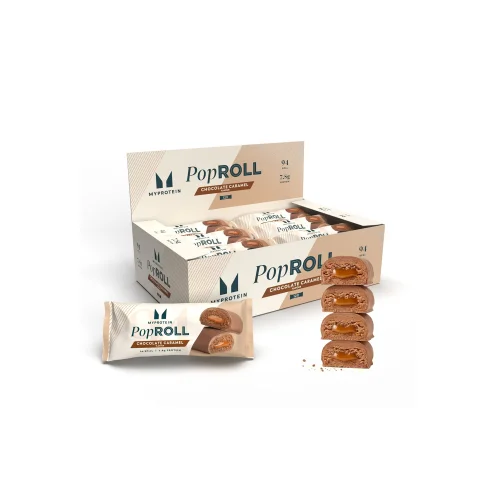
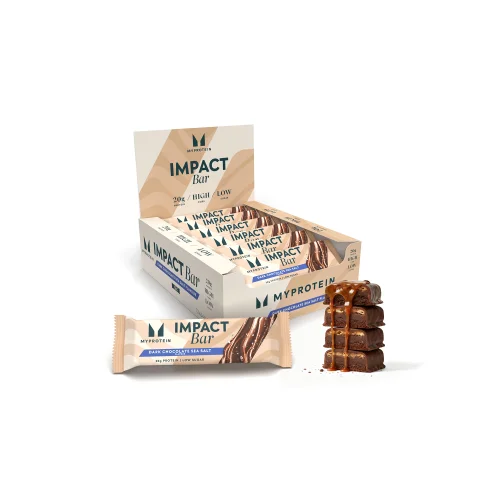
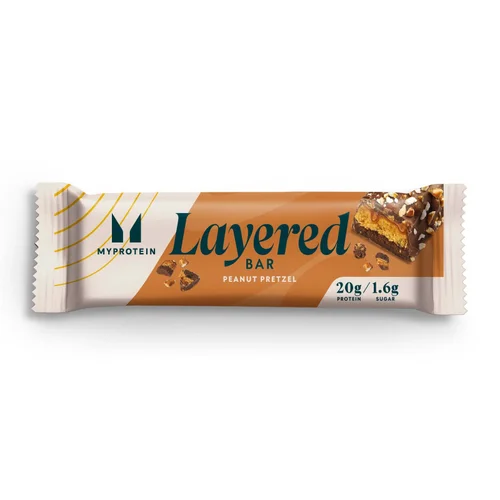
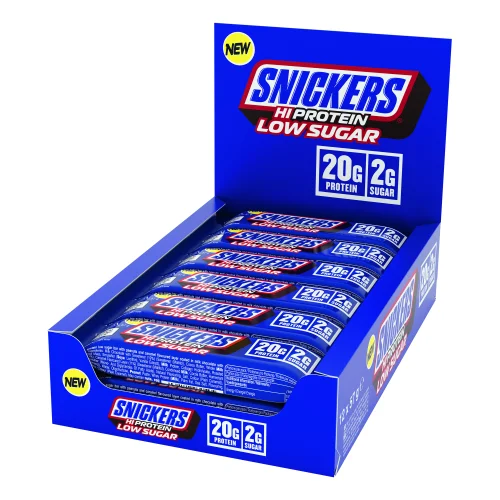
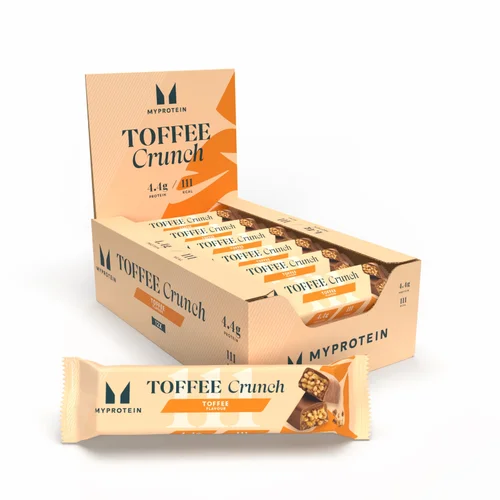
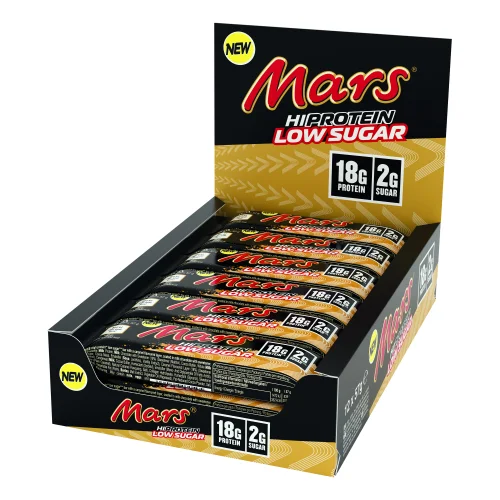
Shop Protein Bars at Myprotein
Protein bars are one of the most practical ways to hit your daily protein targets without the faff of cooking or prepping a meal. Whether you're grabbing something between meetings, heading to the gym, or just need a snack that actually does a job, the right protein bar delivers real nutrition in a format that fits around your life. The range here covers everything from chewy layered bars to crispy wafers and oat-based flapjacks — so there's something for every taste and texture preference.
Each bar is built around protein, which contributes to the growth and maintenance of muscle mass1. But beyond the macros, these are genuinely good-tasting snacks made with quality ingredients. With options ranging from high protein bars for serious training days to lighter protein snack bars for everyday use, finding the best protein bars for your routine has never been easier.
Who Protein Bars Are For
Protein bars aren't just for gym-goers. Anyone looking to add more protein to their diet without overhauling their eating habits will find them useful. That includes people who train regularly and want a convenient post-workout snack, those following a higher-protein diet, and anyone who struggles to get enough protein through meals alone — whether that's down to a busy schedule or simply not wanting to eat a full meal every few hours.
They're also a smart choice for people who find themselves reaching for less nutritious snacks out of habit. A protein bar with a solid macro profile keeps you on track without the compromise. From athletes and weekend warriors to desk workers and students, the format suits pretty much anyone who wants a quick, satisfying snack with more substance than a standard chocolate bar.
When to Use Protein Bars
The obvious time is around training — many people use protein bars as a convenient post-workout snack when a full meal isn't on the cards straight away. Protein contributes to the maintenance of muscle mass1, making it a key nutrient to include after exercise. But the honest answer is that protein bars work whenever you need them. Mid-morning, mid-afternoon, before a long drive, on a hiking trail — the format is designed for real life, not just gym bags.
For those tracking macros or following a structured nutrition plan, protein bars make it easier to hit daily targets without obsessing over every meal. They're also a reliable option when travelling or when food choices are limited. Just check the nutrition label to match the bar to your goals — different bars in the range sit at different calorie and macro levels, so there's one suited to pretty much any point in the day.
Protein Bars Benefits
Convenient, High-Quality Protein
The most straightforward reason to keep protein bars in your kit is convenience. Each bar delivers a meaningful amount of protein in a format that needs no prep, no refrigeration, and fits in a pocket or bag. For anyone trying to eat more protein consistently, that convenience makes a real difference over time.
Muscle Mass and Maintenance
Protein is the key macronutrient for anyone focused on building or maintaining muscle. Protein contributes to the growth and maintenance of muscle mass1 — and protein bars make it easier to reach that daily intake without relying solely on meals. Whether you're in a building phase or trying to hold onto muscle during a cut, having protein readily available matters.
Bone Support
It's not just muscles that benefit from adequate protein intake. Protein also contributes to the maintenance of normal bones2 — something that often gets overlooked when people focus purely on muscle goals. A diet consistently high in protein covers more bases than most people realise.
Variety of Formats and Flavours
The range here goes well beyond the standard dense, chewy bar. From crispy wafers and filled protein wafers to oat-based flapjacks and layered bars, there's genuine variety in texture and format. That makes it much easier to stick to protein-rich snacking long-term, because you're not eating the same thing every day.
Popular Picks
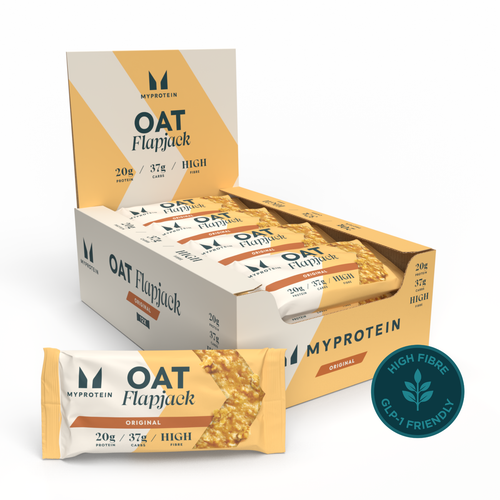
After a protein bar with real substance? Oat Protein Flapjack - A layered bar with a strong protein-to-calorie ratio, designed for those keeping a closer eye on their intake. Multiple layers give it a more satisfying texture than a standard flat bar.
FAQs
What are protein bars?
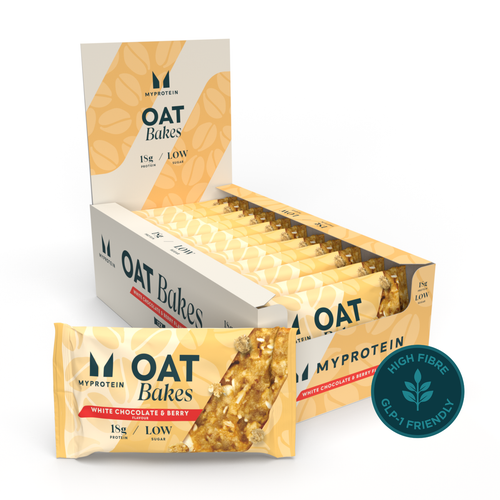
Protein bars are snack-format food products designed to deliver a higher protein content than standard confectionery or cereal bars. They typically combine a protein source — such as whey, milk protein, or soy protein — with carbohydrates, fats, and flavourings to create a convenient, portable snack. The range here includes bars, wafers, flapjacks, and baked oatcakes, all built around meaningful protein content.
What are the best protein bars in the UK?
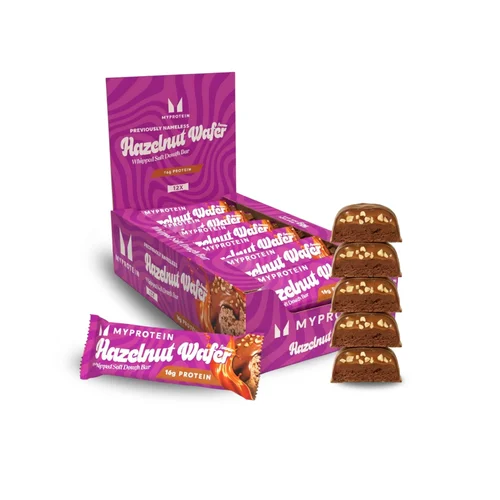
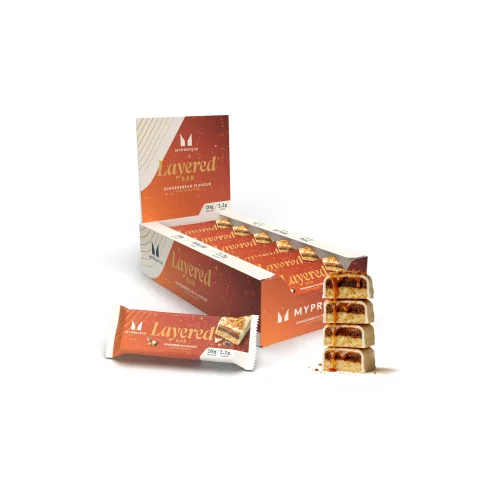
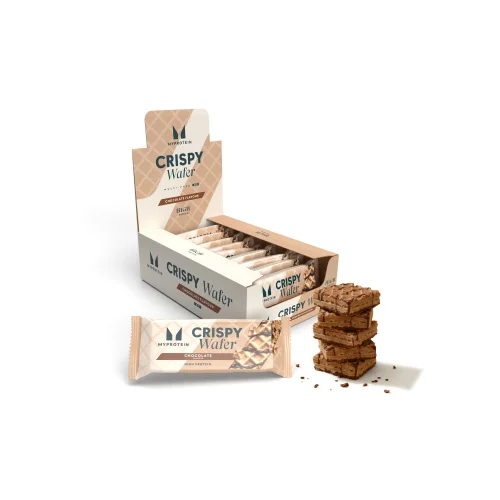
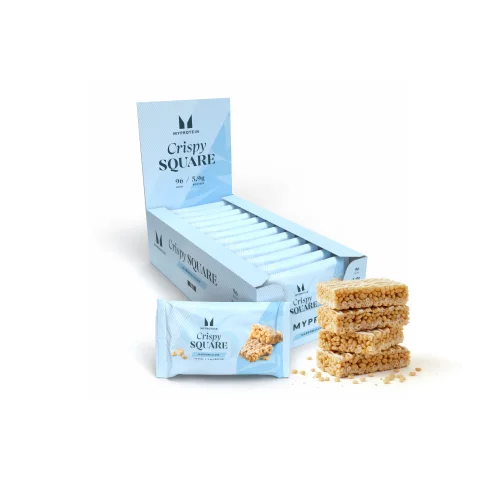
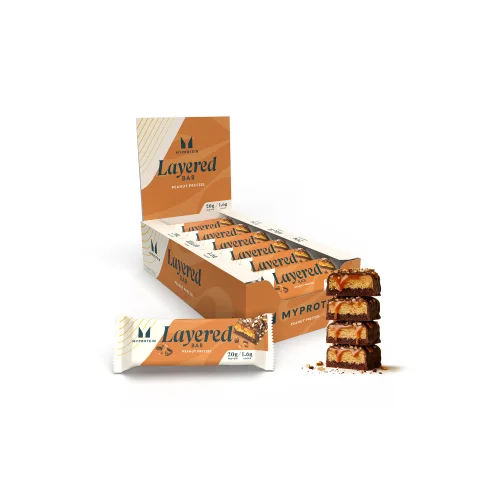
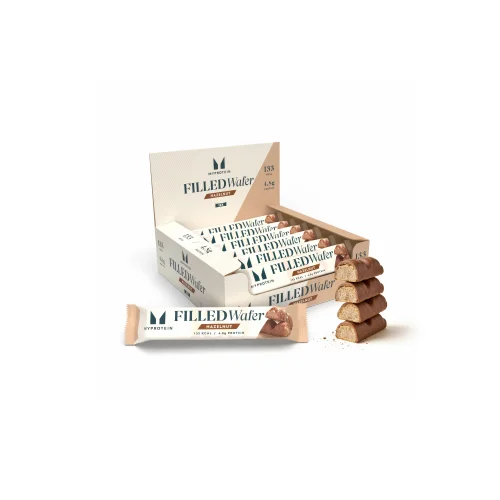
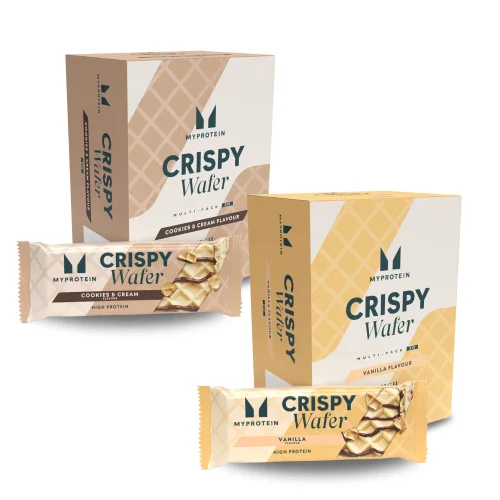
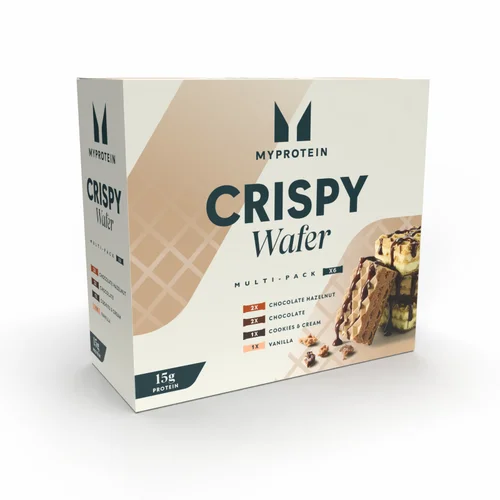
The best protein bar depends on what you're looking for — there's no single answer. If you want something oat-based and filling, the Oat Protein Flapjack is a popular choice. For a lighter, crispier texture, the Crispy Protein Wafer or Filled Protein Wafer are standouts. Those focused on lean nutrition often favour the Lean Layered Protein Bar for its macro profile.
The best approach is to match the bar to your daily targets and taste preferences. A bar you actually enjoy eating is one you'll actually use consistently.
How much protein do protein bars contain?
Protein content varies by product, so it's worth checking the individual nutrition panel on each bar. Generally, bars in this range are formulated to deliver a meaningful amount of protein per serving — typically in the region of 10–20g depending on the format and size. Wafer-style bars tend to sit at the lower end, while larger layered bars tend to deliver more per serving.
Are protein bars a good snack for everyday use?
Yes — protein bars are designed to work as part of a balanced diet, not just for training days. They're a practical option when you need something quick and nutritious between meals. As with any food, it's worth reading the nutrition label to understand the full macro and calorie content, and to choose a bar that fits your overall daily intake.
What's the difference between a protein bar and a protein flapjack?
A protein flapjack — like the Oat Protein Flapjack — is made with rolled oats as a primary ingredient, giving it a chewier, more wholesome texture and a different nutritional profile compared to a standard protein bar. Oat-based formats tend to include more complex carbohydrates from the oats themselves, whereas traditional protein bars are more varied in their base ingredients. Both formats are built around protein, but the eating experience is quite different.
Can protein bars replace a meal?
Protein bars aren't formulated as meal replacements — they're snacks designed to complement your existing diet. While they deliver a useful amount of protein and calories, a balanced meal will generally provide a broader range of nutrients. Think of them as a practical addition to your nutrition, not a substitute for proper meals.
Who developed Myprotein's protein bars?
The protein bars in the Myprotein range are developed by Myprotein's expert nutritionists. Each product is formulated with specific nutrition targets in mind, balancing protein content, taste, and texture across a range of formats — from wafers and flapjacks to layered bars and baked oatcakes.
Are protein bars suitable for vegetarians?
Suitability varies by product, so it's worth checking the individual product page for dietary information. Some bars in the range use milk-derived proteins such as whey or milk protein isolate, which are suitable for vegetarians but not vegans. The product listings include full ingredient and allergen information to help you choose the right option.
When is the best time to eat a protein bar?
There's no single right answer — protein bars are flexible by design. Many people use them as a post-workout snack when a full meal isn't immediately available, since protein contributes to the maintenance of muscle mass1 and is a key nutrient after training. Others use them mid-morning or mid-afternoon as a higher-protein alternative to standard snacks. The most important thing is fitting them around your own daily routine and nutrition targets.
How do protein bars compare to protein shakes?
Protein bars and protein shakes both deliver protein conveniently, but the format suits different situations. Bars are solid, portable, and require no mixing or liquid — making them easier to carry and eat on the go. Shakes tend to be faster to consume and are often used immediately around training when speed matters. Many people use both, depending on the context. The choice usually comes down to preference and practicality rather than one being definitively better than the other.
1. Protein contributes to the growth and maintenance of muscle mass.
2. Protein contributes to the maintenance of normal bones.