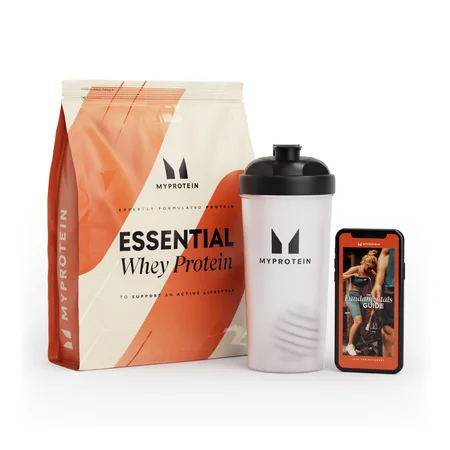
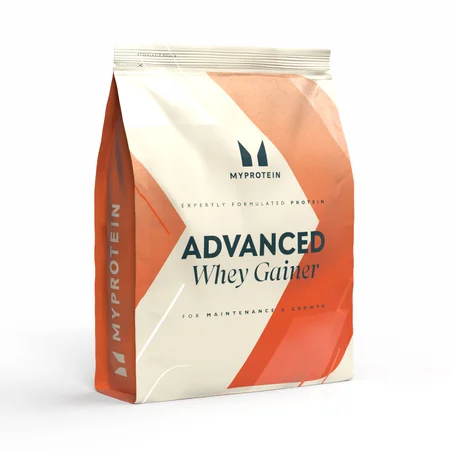
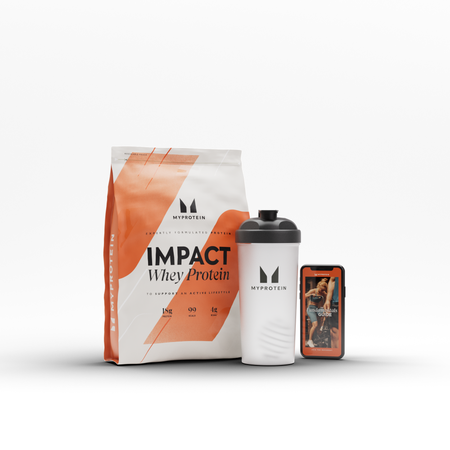
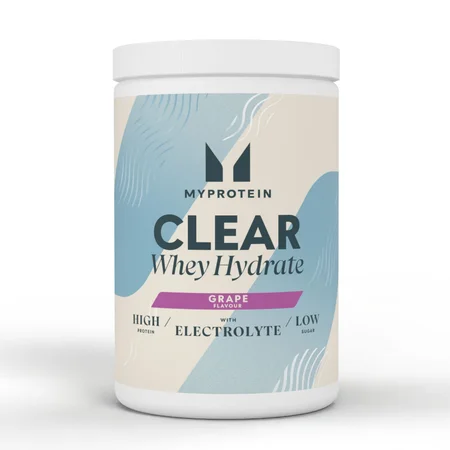
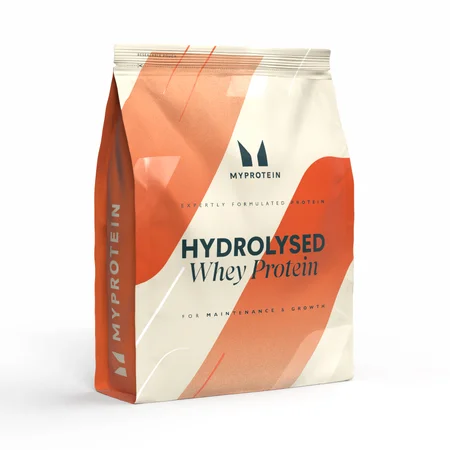
Shop Whey Protein Powders at Myprotein
Whey protein stands as one of the most researched and widely used protein sources in sports nutrition. Derived from milk during the cheese-making process, it delivers a complete amino acid profile that makes it a staple for anyone tracking their protein intake. Whether you're training for strength, endurance, or simply looking to meet your daily nutritional needs, whey protein offers a convenient and efficient way to reach your targets.
The range includes everything from concentrate and isolate formulations to flavoured options that turn your daily shake into something you genuinely look forward to. With varying protein percentages, processing methods, and taste profiles, there's a whey protein powder designed to fit seamlessly into your routine.
Who Whey Protein Powders Are For
These products suit anyone looking to increase their protein intake through a versatile, quick-to-prepare option. Gym-goers mixing shakes post-workout, busy professionals grabbing breakfast on the go, and home cooks adding a protein boost to recipes all find whey protein fits their lifestyle. The convenience factor alone makes it valuable when whole food options aren't practical or time is tight.
Different formulations cater to different preferences and goals. Isolate versions offer higher protein percentages with minimal lactose and fat, whilst concentrate options provide a balance of protein, carbohydrates, and fats at a different price point. Flavoured varieties transform routine nutrition into an enjoyable experience, and unflavoured versions blend invisibly into smoothies, porridge, or baking.
When to Use Whey Protein Powders
The timing of your whey protein intake depends entirely on what works for your schedule and preferences. Many people reach for a shake after training when appetite might be low but protein needs are on your mind. Others blend it into breakfast to start the day with a solid protein foundation, or use it between meals when hunger strikes but you want to keep your macros on track.
The fast-mixing nature of whey protein powder makes it adaptable to any moment in your day. Pre-workout, post-workout, as a snack, or as an ingredient in recipes�there's no single "correct" time. What matters is that it helps you consistently meet your daily protein requirements without adding unnecessary complexity to your routine.
Whey Protein Powder Benefits
Contributes to Muscle Mass
Protein contributes to the growth and maintenance of muscle mass1, making whey protein powder a practical choice for anyone engaged in resistance training or looking to preserve lean tissue. Each serving delivers a concentrated dose of amino acids that your body uses for protein synthesis.
Complete Amino Acid Profile
Whey protein contains all nine essential amino acids your body cannot produce on its own. This complete profile includes branched-chain amino acids (BCAAs) like leucine, isoleucine, and valine, which are particularly abundant in whey and play a key role in muscle protein synthesis.
Quick and Convenient
Mixing a shake takes seconds, making whey protein one of the most time-efficient ways to hit your protein targets. No cooking, no meal prep, no refrigeration required�just add water or milk, shake, and you're done. This simplicity becomes invaluable when life gets hectic or you need nutrition fast.
Versatile Usage
Beyond shakes, whey protein powder adapts to countless recipes. Stir it into porridge, blend it into smoothies, mix it into pancake batter, or add it to energy balls. The flexibility means you're not locked into one way of consuming it, keeping your diet varied whilst still meeting your protein goals.
Popular Picks
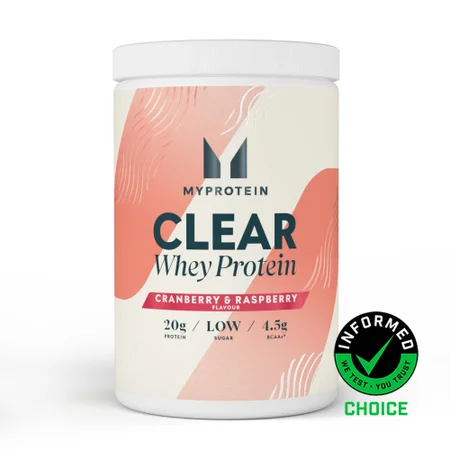
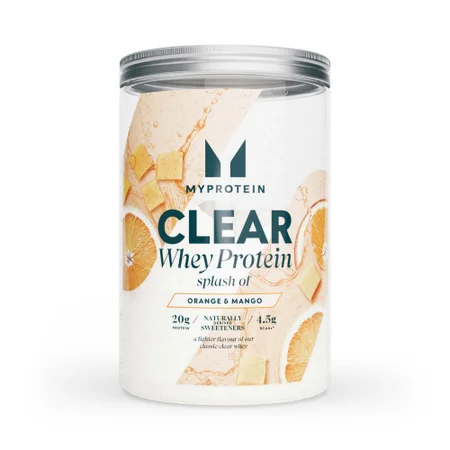
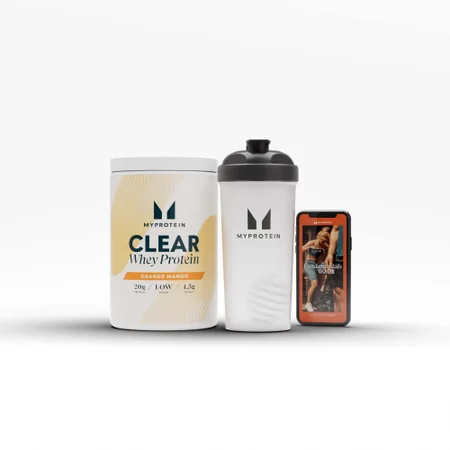
Want something refreshing? Clear Whey Protein + Collagen - This light, fruit-flavoured option drinks more like juice than a traditional shake, whilst delivering both whey protein isolate and hydrolysed collagen in one serving. Perfect for those who find creamy shakes too heavy.
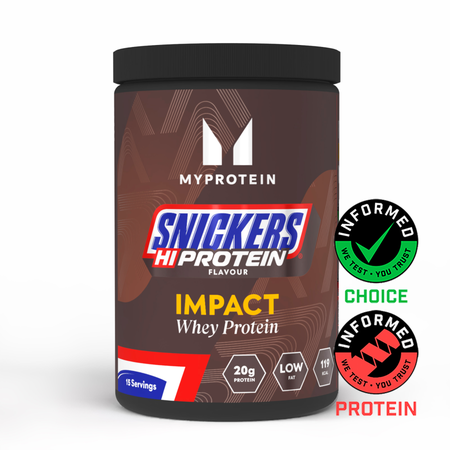
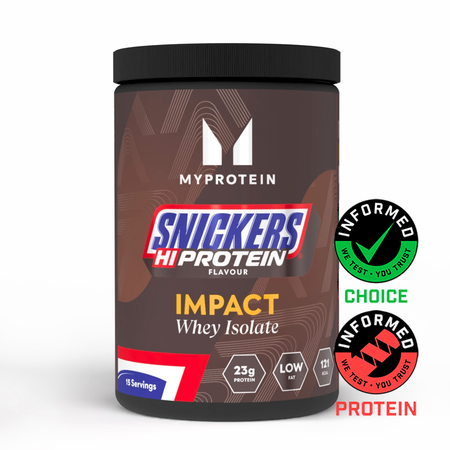
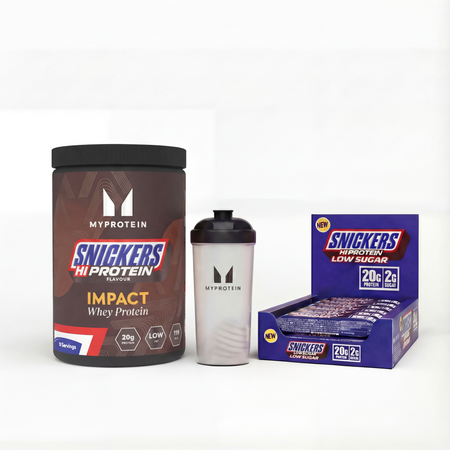
Fancy a familiar flavour? Impact Whey Protein � SNICKERS� - The iconic chocolate, peanut, and caramel combination transformed into a protein shake. This gives you the indulgent taste you crave whilst keeping your protein intake on track.
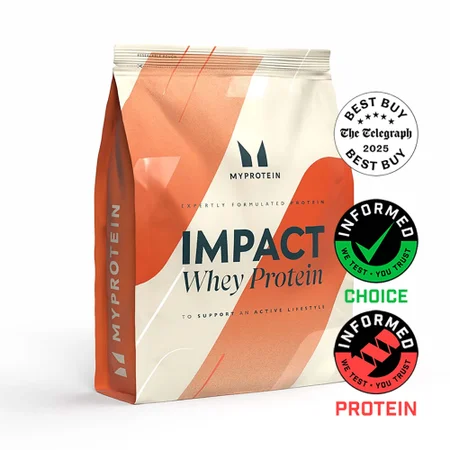
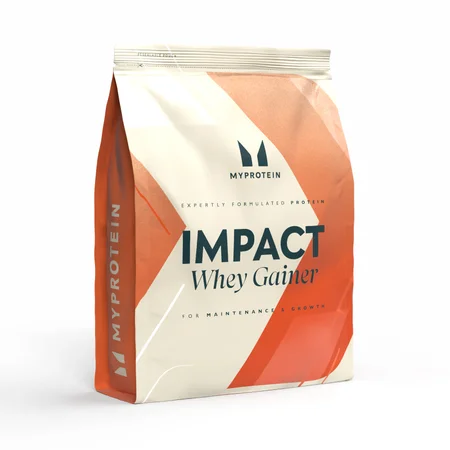
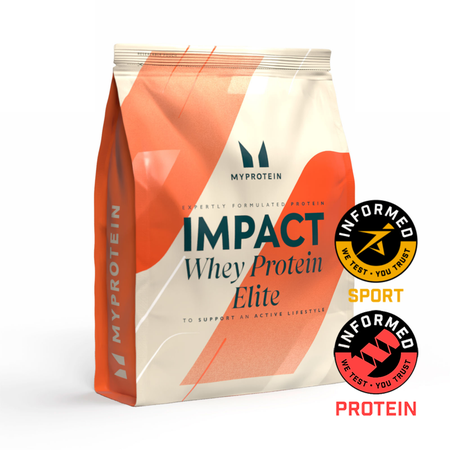
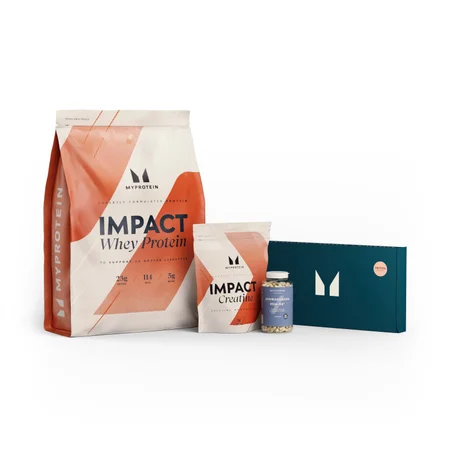
Looking for the foundation? Impact Whey Protein Powder - The classic whey concentrate that's become a staple for thousands. Available in over 40 flavours, it offers around 20g of protein per serving with options to suit every taste preference and dietary approach.
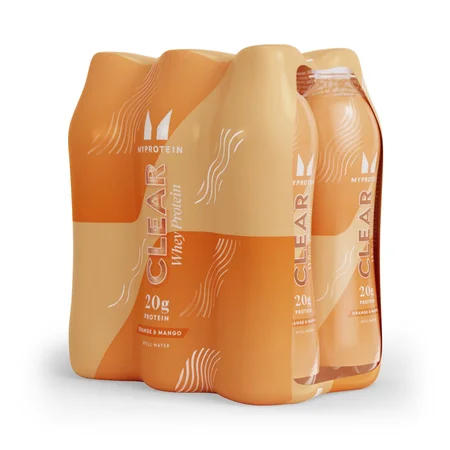
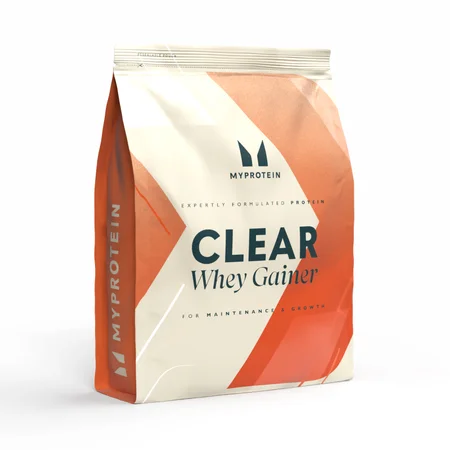
Need a lighter option? Clear Whey Protein Powder - Made with whey protein isolate for a higher protein percentage and minimal fat and carbs. The clear, juice-like consistency makes it ideal for warmer weather or when you want protein without the thickness of traditional shakes.
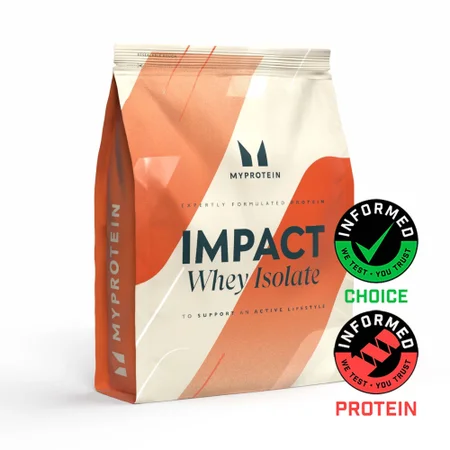
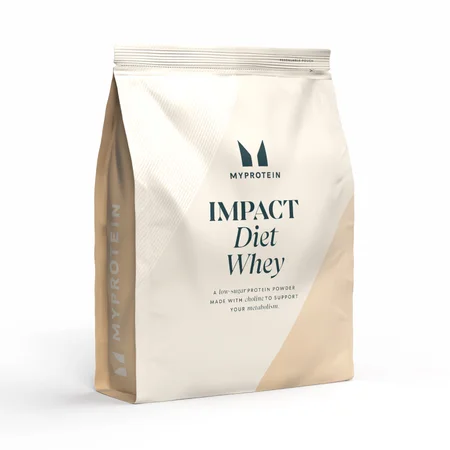
After maximum purity? Impact Whey Isolate Powder - Filtered to remove most lactose and fat, leaving you with over 90% protein content per serving. This suits those watching their calorie intake closely or who have sensitivity to lactose in concentrate formulations.
FAQs
What is whey protein powder?
Whey protein powder is a supplement derived from milk during the cheese-making process. When milk is separated into curds and liquid whey, the whey portion undergoes filtration and drying to create a concentrated protein powder. It contains all nine essential amino acids, making it a complete protein source that's popular in sports nutrition and general dietary supplementation.
What's the difference between whey concentrate and whey isolate?
The difference lies in how much the whey has been filtered and processed. Whey concentrate typically contains around 70-80% protein by weight, with small amounts of lactose, fat, and carbohydrates remaining. Whey isolate undergoes additional filtration to remove more of these components, resulting in a product that's usually over 90% protein with minimal lactose and fat.
Isolate tends to be lighter on the stomach for those sensitive to lactose and offers a higher protein density per serving. Concentrate provides a more economical option whilst still delivering substantial protein alongside naturally occurring nutrients from milk.
How much whey protein should I take daily?
The amount depends entirely on your total daily protein needs, which vary based on your body weight, activity level, and goals. Many people aim for 1.6-2.2g of protein per kilogram of body weight when training regularly, though individual requirements differ.
Whey protein powder simply helps you reach whatever target you've set alongside the protein you get from food. One or two servings per day is common, but some people need more whilst others need less. Track your total protein intake from all sources rather than focusing solely on supplement amounts.
When should I take whey protein for best results?
Total daily protein intake matters more than precise timing. Research shows that meeting your overall protein requirements consistently throughout the day drives results, rather than hitting a narrow post-workout window. That said, many people find post-training convenient since appetite might be low but they want to ensure adequate protein intake.
Taking whey protein with breakfast, between meals, before bed, or literally any time that fits your schedule all work equally well. Choose timing that helps you stay consistent with your nutrition plan rather than stressing about optimal windows.
Can I use whey protein powder for baking and cooking?
Absolutely. Whey protein powder works well in numerous recipes including pancakes, muffins, protein bars, energy balls, and porridge. When baking, protein powder can partially replace flour, though you'll typically need to adjust liquid ratios since protein absorbs moisture differently than flour.
Start by substituting a small portion of flour with protein powder until you understand how it affects texture in your favourite recipes. Unflavoured versions offer the most flexibility, whilst flavoured options can enhance sweet recipes like desserts and breakfast items.
How do I choose the right whey protein powder?
Start with your preferences around taste, texture, and budget. If you prefer lighter, juice-like drinks, clear whey protein formulations suit you better than traditional creamy shakes. Those watching lactose intake or wanting maximum protein density should lean toward isolate versions.
Flavour matters more than people realise�choose something you'll genuinely enjoy drinking regularly rather than forcing down an unpleasant shake. Check the protein content per serving and compare it against your daily targets. Reading reviews helps gauge how flavours actually taste and how well products mix.
Who develops Myprotein's whey protein powders?
Myprotein's expert nutritionists develop all whey protein formulations, working to balance quality ingredients with practical nutrition that fits various training approaches and dietary preferences. The team focuses on creating products that deliver consistent protein content whilst offering variety in flavours, formats, and processing methods.
Each product undergoes rigorous testing to ensure it meets stated nutritional values and quality standards. The range reflects feedback from thousands of customers alongside nutritional science to create formulations that serve real-world needs.
What makes whey protein different from other protein sources?
Whey protein digests and absorbs quickly compared to slower proteins like casein, making it particularly convenient when you want fast nutrition. Its complete amino acid profile includes high levels of leucine, an amino acid that plays a central role in muscle protein synthesis.
The powder format dissolves easily in liquids and incorporates into recipes without the preparation time required for cooking meat, fish, or legumes. Whilst whole food protein sources offer additional nutrients and satiety benefits, whey protein excels in convenience, speed, and concentrated protein delivery.
Does whey protein powder expire?
Yes, whey protein powder has a shelf life, typically around 18-24 months from manufacture when stored properly. The best-before date appears on the packaging. Protein doesn't become unsafe immediately after this date, but the quality, taste, and nutritional value may gradually decline.
Store your powder in a cool, dry place with the lid tightly sealed to maintain freshness. Avoid areas with high humidity like bathrooms, as moisture can cause clumping and promote bacterial growth. Proper storage helps your whey protein maintain its quality throughout its shelf life.
Can I mix whey protein with milk instead of water?
Yes, mixing whey protein with milk creates a creamier texture and adds extra protein, calories, and nutrients from the milk itself. This works well when you're looking to increase overall calorie intake or prefer a more substantial shake. Semi-skimmed or whole milk adds richness, whilst plant-based alternatives like almond or oat milk offer different flavour profiles.
Water keeps the shake lighter and lower in calories, which suits those tracking their intake more strictly or who prefer a less filling option. Both methods work perfectly fine�choose based on your nutritional needs and taste preferences for that particular shake.
1. Protein contributes to a growth in muscle mass.
2. Protein contributes to the maintenance of muscle mass.