Casein Protein
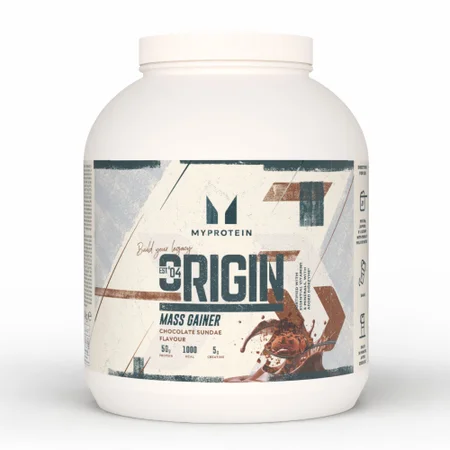

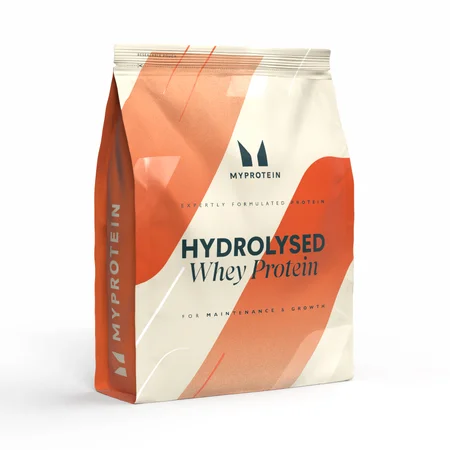
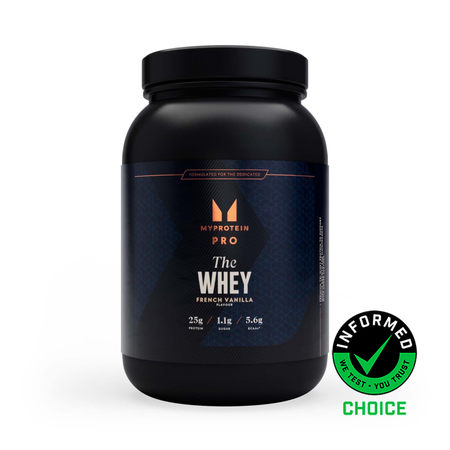
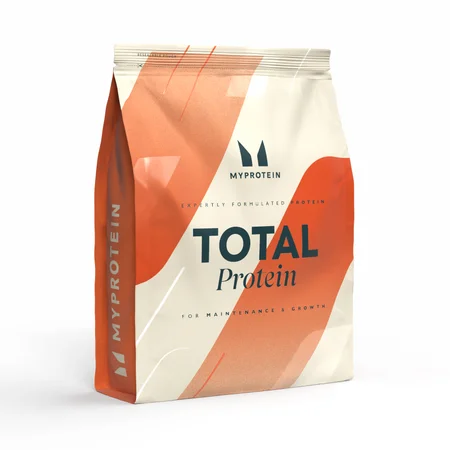
Shop Casein Protein at Myprotein
When you're looking for a protein that works while you rest, casein stands apart from the crowd. Unlike fast-absorbing options, casein protein digests slowly, releasing amino acids gradually over several hours. This makes it particularly useful for overnight nutrition or extended periods between meals.
Derived from milk, casein represents about 80% of the protein found in dairy products. During processing, it forms micelles � tiny protein structures that create a gel-like consistency when mixed with liquid. This physical property contributes to its slower digestion rate compared to whey, which comes from the same source but behaves quite differently in your system.
Who Casein Protein Is For
Athletes and gym-goers often turn to casein when they want a protein option that fits specific timing needs. Whether you're training for strength, endurance, or general fitness, the slow-release nature means you can take it before bed or during long gaps in your eating schedule without needing frequent top-ups.
Anyone following a structured nutrition plan will find casein useful for hitting daily protein targets. From bodybuilders managing their macros to recreational athletes simply wanting to fuel their training properly, casein fits into various dietary approaches. It's equally valuable for someone doing early morning fasted cardio who won't eat for hours, or someone finishing their last meal well before bedtime.
When to Use Casein Protein
Most people take casein before bed, making use of those 7-8 hours of sleep when you're not eating. Mix a serving 30-60 minutes before you turn in, and you've got a steady amino acid supply working overnight. This timing fits naturally into daily routines without requiring you to set alarms for midnight meals.
Beyond bedtime, casein works well during extended daytime gaps between meals. If you're facing a 5-6 hour stretch without food � perhaps due to work commitments or travel � casein can bridge that gap more effectively than faster proteins. Some people also add it to recipes like protein pancakes or baked goods, where its thicker texture creates better consistency than whey-based alternatives.
Casein Protein Benefits
Slow-Release Amino Acid Delivery
Casein can take 6-7 hours to fully digest, creating a gradual drip-feed of amino acids into your bloodstream. This extended release pattern differs significantly from whey protein, which typically digests within 1-2 hours. The slower absorption means sustained availability of building blocks during periods when you're not eating.
Muscle Mass Support
Like all complete proteins, casein provides the full spectrum of essential amino acids your body needs. Protein contributes to the growth and maintenance of muscle mass1, making casein a practical choice for meeting daily protein requirements. The timing flexibility means you can hit your targets even when your schedule makes regular meals challenging.
High Protein Content
Quality casein supplements typically deliver 20-25g of protein per serving, with minimal carbohydrates and fats. This protein density makes it efficient for managing your macros without adding excessive calories. Each serving contributes meaningfully to the daily protein intake recommendations for active individuals.
Versatile Usage Options
Beyond simple shakes, casein's thick, creamy texture lends itself to various applications. Mix it into overnight oats for added protein, blend it into smoothie bowls for a moussse-like consistency, or incorporate it into protein-enriched baking recipes. The powder format means you control portion sizes and can adjust servings based on your specific nutritional needs.
Popular Picks
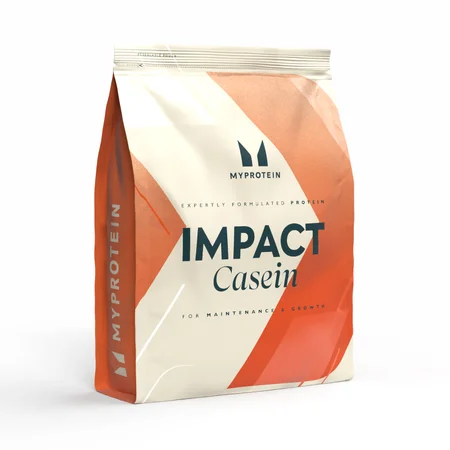
Looking for premium slow-release protein? Impact Micellar Casein Powder delivers 23g of protein per serving with minimal fats and carbs. Available in multiple flavours, it mixes into a thick, satisfying shake that works perfectly before bed or during extended periods without food.
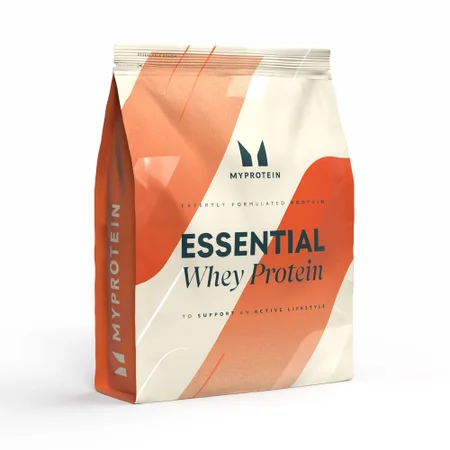
Need a faster-absorbing option for different times of day? Essential Whey Protein provides rapid amino acid delivery, making it ideal for post-workout nutrition. With over 20g of protein per serving, it complements casein perfectly in a complete supplement strategy that covers both quick and sustained protein needs.
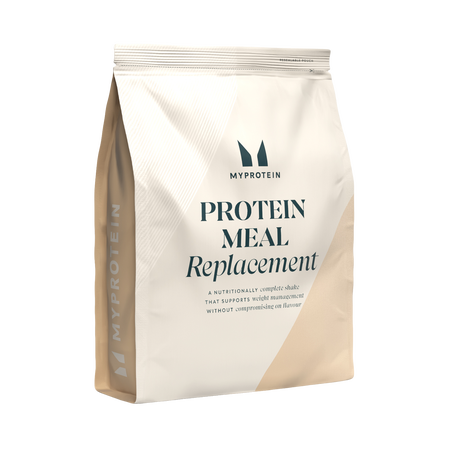
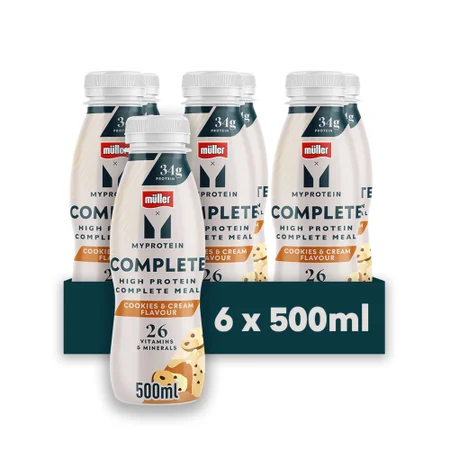
Want convenience with complete nutrition? Protein Meal Replacement Blend combines protein with essential vitamins, minerals, and balanced macronutrients in one shake. This all-in-one option works when you're time-poor but still want proper nutritional support throughout your day.
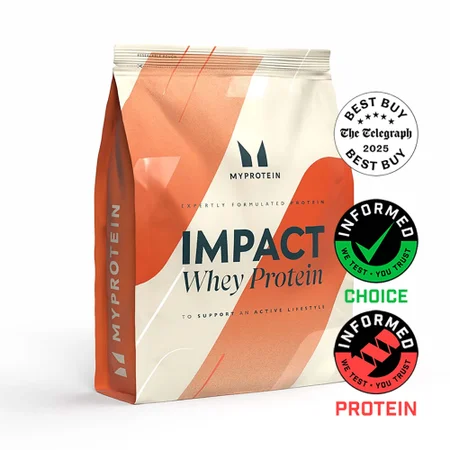
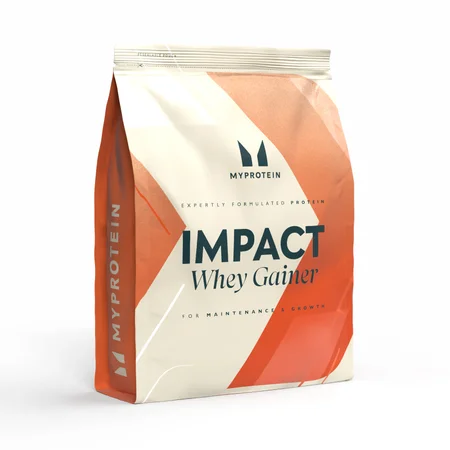
Prefer the most popular protein option? Impact Whey Protein Powder remains the go-to choice for millions of athletes worldwide. With exceptional value and over 50 flavours, it's the versatile fast-digesting protein that pairs naturally with slower casein options for round-the-clock nutrition.
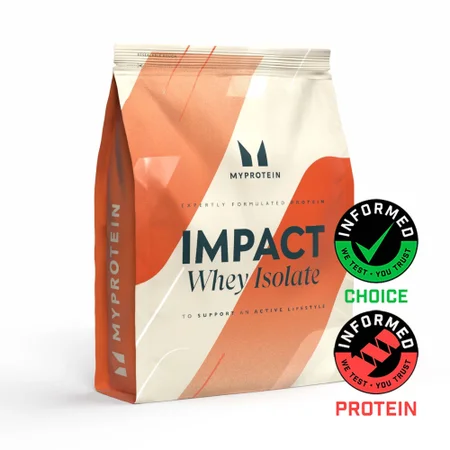
Seeking ultra-filtered purity? Impact Whey Isolate Powder contains 90% protein content with minimal lactose and fat. This highly refined option suits those who want maximum protein concentration in their fast-absorbing supplement to contrast with evening casein intake.
FAQs
What is casein protein?
Casein is the primary protein found in cow's milk, making up approximately 80% of its total protein content. During cheese-making, casein is what curdles and forms the solid parts, while whey remains in the liquid portion. When isolated as a supplement, casein forms micelles � spherical protein structures that digest slowly in your stomach.
The most common form in supplements is micellar casein, which maintains these natural micelle structures. This format digests gradually, typically taking 6-7 hours for complete absorption. The slow release makes it functionally different from whey protein, even though both originate from the same milk source.
How does casein differ from whey protein?
Casein and whey both come from milk but behave very differently once consumed. Whey dissolves quickly in your stomach and absorbs within 1-2 hours, creating a rapid spike in blood amino acid levels. Casein forms a gel-like substance in your stomach that breaks down slowly, releasing amino acids gradually over 6-7 hours.
This difference in digestion speed influences when you'd choose each one. Whey suits post-workout situations when you want rapid nutrient delivery. Casein fits better before bed or during long periods without food, when sustained amino acid availability matters more than immediate absorption.
When should I take casein protein?
The most common time is 30-60 minutes before bed, allowing the slow-release properties to work during sleep hours. This timing means you maintain amino acid availability throughout the night without waking to eat. Many people make this their final nutritional intake of the day.
Casein also works well during extended daytime fasting periods. If you know you won't eat for 5-6 hours due to work, travel, or other commitments, taking casein beforehand provides sustained nutrition. Some people use it between widely-spaced meals or during religious fasting periods where timing matters.
How much casein protein should I take?
Most servings provide 20-25g of protein, which represents a substantial portion of the daily intake recommendations for active individuals. Your total daily protein needs depend on your body weight, training intensity, and goals � typically ranging from 1.2g to 2.2g per kilogram of body weight for those training regularly.
Rather than fixating on casein specifically, consider your total daily protein intake from all sources. Casein serves as one tool for meeting those targets, particularly useful for covering periods when you're not eating. One serving before bed or during long meal gaps usually fits well within most structured nutrition plans.
Can I mix casein with other supplements?
Casein mixes well with various supplements depending on your goals and timing. Many people combine it with creatine monohydrate in their evening shake, as creatine timing is flexible throughout the day. You can also add it to blends containing vitamins, minerals, or other powdered supplements without interaction concerns.
Some athletes create custom protein blends by mixing casein with whey in different ratios, adjusting the overall digestion speed to suit specific timing needs. There's no requirement to take casein in isolation � it works as part of a broader supplement strategy tailored to your schedule and nutritional requirements.
Why does casein create a thicker shake than whey?
The micelle structures in casein protein naturally create a gel-like consistency when mixed with liquid. This physical property is the same characteristic that causes casein to digest slowly in your stomach. When you shake or blend casein powder with water or milk, these micelles form a thicker, creamier texture than whey-based proteins.
This thickness isn't a sign of poor quality or clumping � it's actually demonstrating that the casein is in its natural micellar form. Many people appreciate this texture as it creates a more satisfying, dessert-like shake. If you prefer a thinner consistency, simply add more liquid or use a blender rather than a shaker bottle.
How do I choose between different casein products?
Start with protein content per serving � quality casein supplements typically deliver 20-25g of protein with minimal carbohydrates and fats. Check the ingredients list to confirm you're getting micellar casein rather than cheaper calcium caseinate forms, which don't provide the same slow-release properties.
Flavour variety, mixability, and texture matter for daily use. Read reviews to understand how different products taste and blend, as you'll be more consistent with something you actually enjoy drinking. Consider whether you want additional ingredients like digestive enzymes or prefer pure casein protein without extras.
Who developed Myprotein's casein supplements?
Myprotein's expert nutritionists developed the casein range, drawing on decades of combined experience in sports nutrition and supplement formulation. The team works continuously to source quality ingredients, refine manufacturing processes, and expand flavour options based on customer feedback and emerging research.
Each product undergoes rigorous quality testing to ensure it meets the protein content and purity standards stated on the label. This development process balances nutritional effectiveness with practical factors like taste, texture, and value � making casein protein accessible for everyday use rather than reserved for elite athletes.
Can I use casein protein in recipes?
Casein works exceptionally well in various recipes due to its thick, binding texture. Mix it into overnight oats and refrigerate � the casein absorbs liquid and creates a pudding-like consistency by morning. Add it to Greek yoghurt for extra protein and a mousse-like texture, or blend it into smoothie bowls where thickness is actually desirable.
For baking, casein adds protein to pancakes, muffins, and protein bars without making them as dry as some whey-based recipes. The powder absorbs moisture differently than whey, often creating better texture in baked goods. Start by substituting 25-30% of flour in recipes with casein, adjusting liquid content as needed for proper consistency.
Is casein suitable for vegetarians?
Casein comes from cow's milk, making it suitable for lacto-vegetarians who include dairy in their diet. It's not suitable for vegans, who avoid all animal-derived products. The protein is extracted during cheese-making processes, similar to how whey is separated, but the final product contains no animal flesh or rennet.
If you follow a vegetarian diet that includes dairy, casein provides a complete protein source with all essential amino acids. For those avoiding dairy entirely, whether due to veganism or dietary preferences, plant-based protein alternatives exist, though they won't provide the same slow-release casein characteristics.
1. Protein contributes to a growth in muscle mass.
Protein contributes to the maintenance of muscle mass.