Chocolate Protein Powder
20 Results
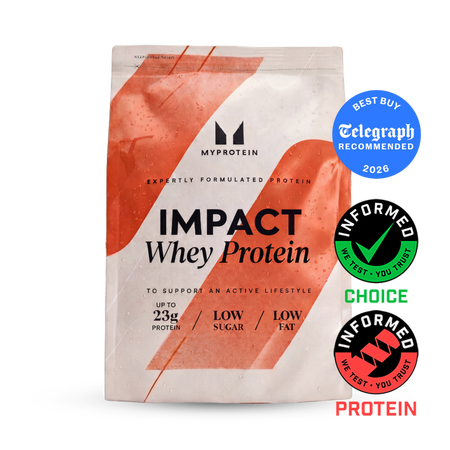
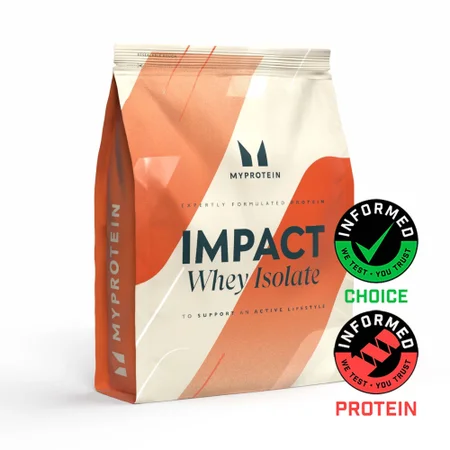
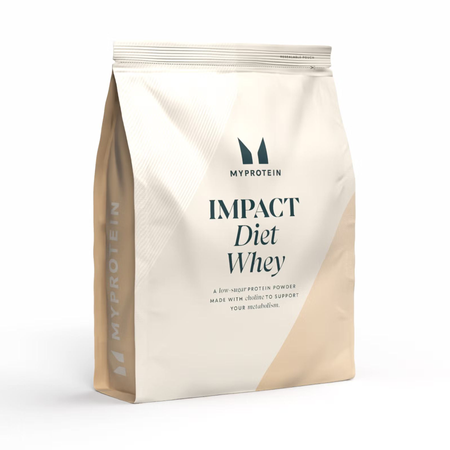

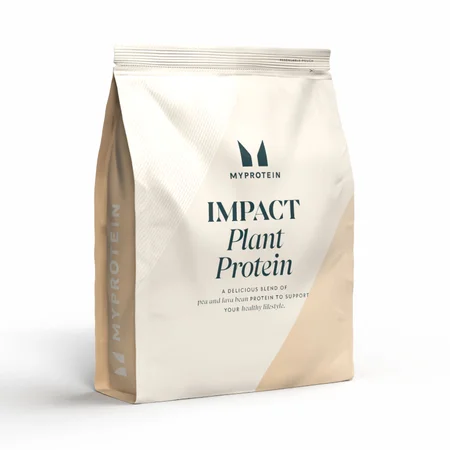
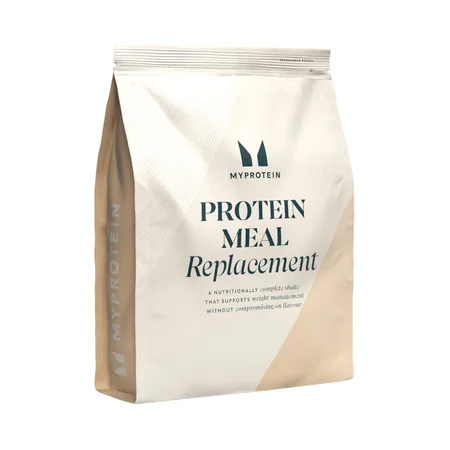
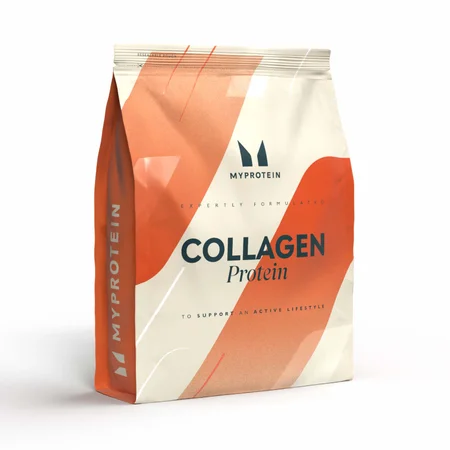
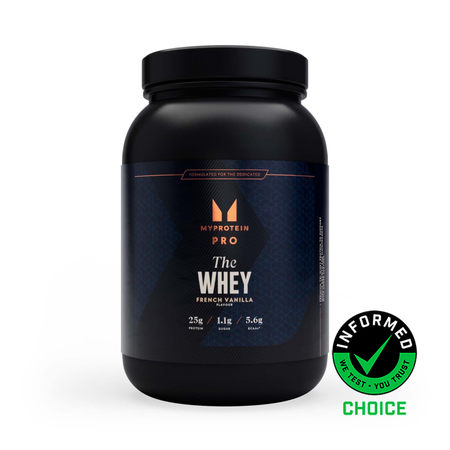

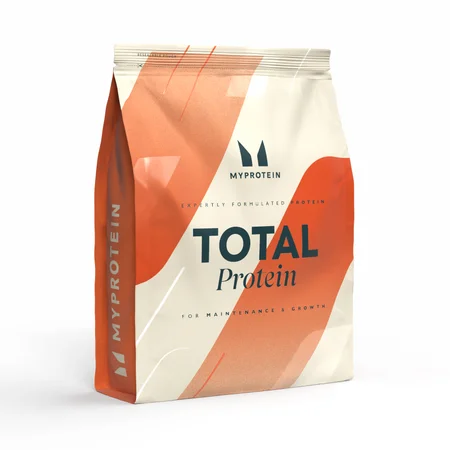
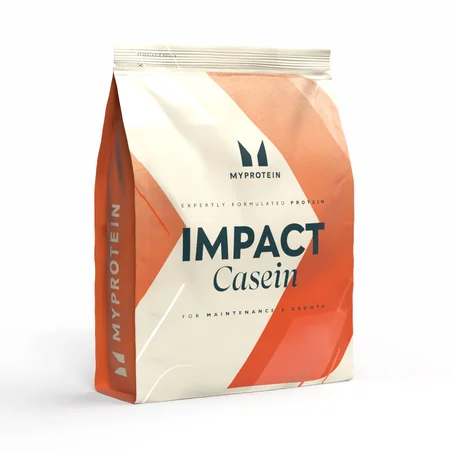
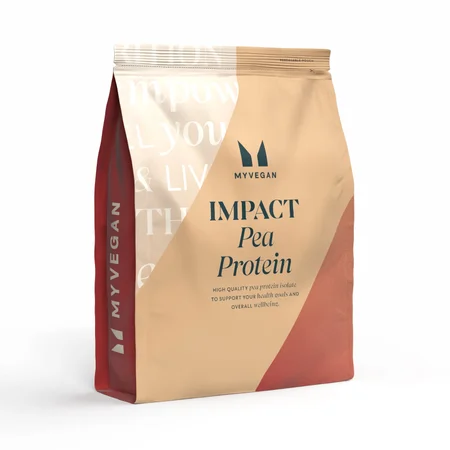
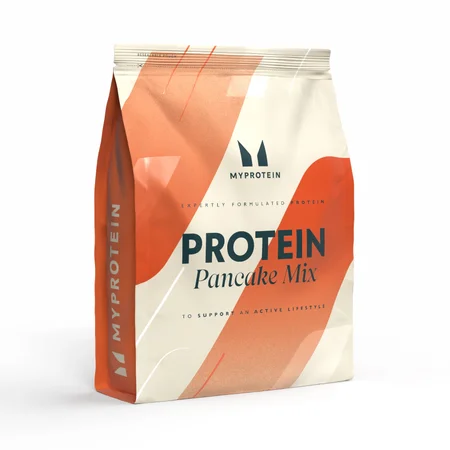
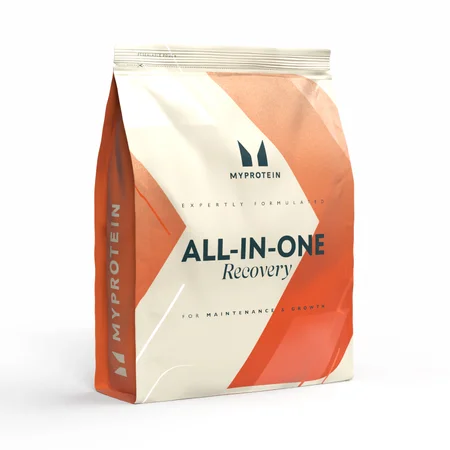
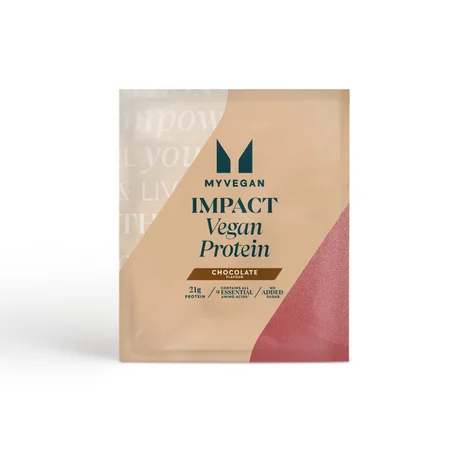
Shop Chocolate Protein at Myprotein
Chocolate protein brings together high-quality protein nutrition with rich cocoa flavour. Whether you're mixing it into shakes, stirring it into porridge, or blending it into smoothies, the chocolate taste makes getting your protein intake something to look forward to rather than just tick off your list.
Available across different protein types and formulations, chocolate remains one of the most popular flavours because it works. It pairs well with other ingredients, mixes smoothly, and delivers consistent taste without the artificial aftertaste that can come with other flavoured supplements.
Who Chocolate Protein Is For
Anyone looking to increase their protein intake will find chocolate protein fits easily into their routine. Gym-goers use it post-workout, busy professionals rely on it for convenient nutrition between meetings, and athletes include it as part of their structured training nutrition. The familiar chocolate taste makes it accessible for people new to protein supplements who might find unflavoured options too bland or other flavours too polarising.
Different formulations suit different goals. Whey protein works well for those focused on training and muscle development. Vegan blends provide plant-based protein for those following dairy-free diets. Diet formulations include additional ingredients for those managing their calorie intake, whilst mass gainers combine protein with carbohydrates for those looking to increase their overall nutrition.
When to Use Chocolate Protein
Post-workout remains the most common time to take protein, when muscles are primed for nutrition. Mix a serving with water or milk within an hour of finishing your session. The chocolate flavour makes this routine shake something you actually enjoy rather than just endure.
Beyond training, chocolate protein works throughout the day. Add it to morning porridge for a protein-rich breakfast, blend it into an afternoon smoothie as a satisfying snack, or mix it before bed as part of your evening routine. The versatility of chocolate means it complements rather than clashes with other ingredients, making it easy to incorporate into recipes from protein pancakes to overnight oats.
Chocolate Protein Benefits
Supports Your Training Goals
Protein contributes to the growth and maintenance of muscle mass1, making it essential for anyone engaged in regular training. Chocolate protein delivers this nutrition in a form that's convenient and enjoyable, removing one of the barriers that stops people from maintaining consistent protein intake.
Convenient Nutrition
Getting adequate protein from whole foods alone requires planning, preparation and time. A chocolate protein shake takes seconds to prepare and delivers 20-25g of protein per serving, depending on the product. Keep a tub at work, in your gym bag, or at home for reliable nutrition whenever you need it.
Versatile Usage
The chocolate flavour adapts to multiple uses beyond simple shakes. Blend it with banana and peanut butter for a satisfying smoothie, mix it into Greek yoghurt for extra protein, or use it in baking for protein-enriched treats. This versatility means you're less likely to get bored with your protein routine.
Tastes Like an Actual Treat
Chocolate protein tastes good enough that taking it feels like a reward rather than a chore. This might seem trivial, but consistency matters more than perfection when it comes to nutrition. If you enjoy your protein shake, you're more likely to have it regularly, and regular protein intake is what actually delivers results.
Popular Picks
Looking for a reliable all-rounder? Impact Whey Protein Powder combines pea protein and faba bean protein for a complete amino acid profile. The chocolate flavour works particularly well with plant-based proteins, masking any earthy notes whilst delivering 20g of protein per serving.
FAQs
What is chocolate protein?
Chocolate protein is protein powder flavoured with cocoa and natural or nature-identical chocolate flavouring. It provides the same protein content as unflavoured versions but with added taste that makes it more enjoyable to consume regularly.
The protein base varies depending on the product. Whey protein comes from milk, making it a complete protein with all essential amino acids. Vegan protein blends combine plant sources like pea and faba bean. The chocolate flavouring is added during manufacturing to create a consistent taste across batches.
How does chocolate whey protein differ from chocolate vegan protein?
The main difference lies in the protein source. Whey protein is derived from milk during cheese production, whilst vegan protein uses plant sources like peas, rice, or faba beans. Both can deliver similar protein content per serving, but they differ in amino acid profiles, digestion rates, and suitability for different dietary requirements.
Whey is a complete protein containing all nine essential amino acids in optimal ratios. Vegan proteins often blend multiple plant sources to achieve a complete amino acid profile. Taste and texture can vary between the two, though modern manufacturing has significantly improved the quality of plant-based options.
When should I take chocolate protein powder?
Post-workout is the most common time, typically within 30-60 minutes of finishing your training session. Your muscles are receptive to nutrition at this point, making it an ideal time to consume protein that contributes to muscle growth and maintenance1.
Beyond training, chocolate protein works as a breakfast addition, afternoon snack, or evening shake. The key is consistent daily protein intake rather than perfect timing. Take it whenever it fits your routine, whether that's first thing in the morning mixed into porridge or last thing at night as a shake before bed.
How much chocolate protein should I use per serving?
Most chocolate protein powders recommend 25-30g of powder per serving, which typically provides 20-25g of actual protein. This amount mixes well with 200-300ml of water or milk and delivers a substantial protein serving without being excessive.
Your total daily protein needs depend on your body weight, activity level, and goals. Many people aim for 1.6-2.2g of protein per kilogram of body weight when training regularly. Use chocolate protein as one convenient way to reach this target alongside protein from whole foods throughout the day.
Can I use chocolate protein in recipes beyond shakes?
Chocolate protein works well in numerous recipes. Mix it into porridge or overnight oats for a protein-rich breakfast, blend it into smoothies with banana and nut butter, or stir it into Greek yoghurt. Many people use it in baking for protein pancakes, muffins, or brownies, though heating can denature some proteins.
The chocolate flavour pairs particularly well with ingredients like peanut butter, banana, berries, coffee, and cinnamon. Experiment with ratios to find what works for your taste preferences. Start with smaller amounts in recipes and adjust upward to avoid overwhelming other flavours.
What's the difference between chocolate whey protein and chocolate whey isolate?
Whey isolate undergoes additional processing to remove more lactose, fat, and carbohydrates, resulting in a higher protein percentage per serving. Whey isolate typically contains 90% or more protein by weight, whilst standard whey concentrate contains 70-80% protein.
This means whey isolate delivers more protein per serving with fewer calories from other macronutrients. It also tends to be lower in lactose, making it suitable for those with mild lactose sensitivity. Standard whey protein provides excellent value and works perfectly well for most people, whilst isolate suits those wanting maximum protein with minimal extras.
How do I choose the right chocolate protein for my goals?
Start by identifying your primary goal. If you're focused on building muscle and training regularly, standard whey protein or whey isolate provides high-quality protein in convenient form. Those following plant-based diets should choose vegan protein blends that combine multiple plant sources for a complete amino acid profile.
For those managing calorie intake, diet whey formulations include additional ingredients alongside protein. If you're looking to increase overall nutrition and calories, mass gainers combine protein with carbohydrates. Consider your budget as well since isolates and specialised formulations typically cost more than standard whey protein.
Who develops Myprotein's chocolate protein products?
Myprotein's expert nutritionists develop all chocolate protein formulations, working to balance taste, mixability, and nutritional profile. The team tests multiple iterations of flavourings and formulations before settling on the final product you receive.
This expertise ensures consistency across batches and products. Whether you're buying Impact Whey Protein or Impact Vegan Protein in chocolate flavour, you're getting a product that's been developed specifically to deliver both nutrition and taste that makes regular use sustainable.
Does chocolate protein powder actually taste like chocolate?
Modern chocolate protein formulations taste significantly better than older versions from years ago. The chocolate flavour is recognisable and enjoyable, though it won't taste identical to hot chocolate or chocolate milk due to the protein base and lack of sugar found in those drinks.
Most people find chocolate protein perfectly pleasant, particularly when mixed with milk rather than water. The milk adds creaminess and enhances the chocolate taste. If you find it too subtle initially, try blending it with a small amount of cocoa powder, or add it to recipes where it combines with other flavours rather than standing alone.
Can I mix different flavours with chocolate protein?
Chocolate pairs well with numerous additions. Peanut butter creates a classic combination, banana adds natural sweetness and creaminess, and berries provide tartness that balances the chocolate. Coffee or espresso creates a mocha flavour, whilst mint extract gives you a chocolate mint shake.
Start with small amounts of additional ingredients and adjust to taste. A tablespoon of peanut butter, half a banana, or a handful of berries typically works well with one serving of chocolate protein. Blending rather than just shaking creates a smoother, more milkshake-like consistency that many people prefer.
1. Protein contributes to the growth and maintenance of muscle mass.