Dairy Free Protein Bars
2Results
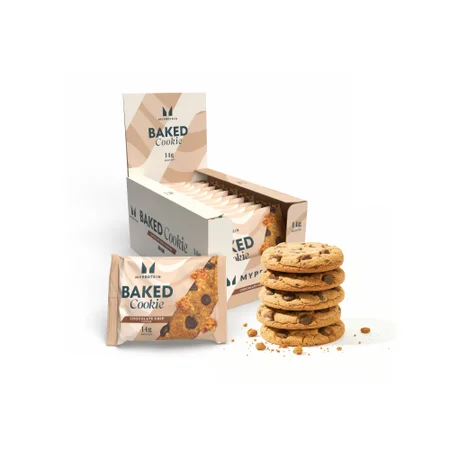
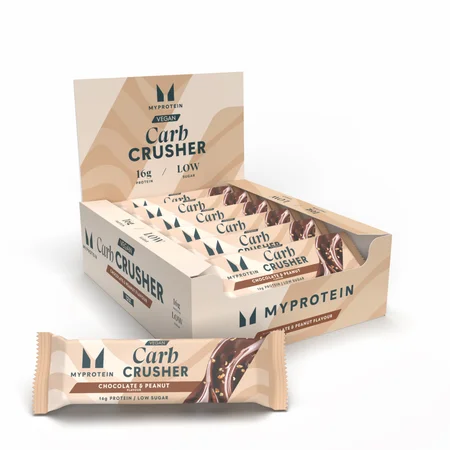
Shop Dairy Free Protein Bars at Myprotein
Finding protein bars that fit a dairy-free lifestyle doesn't mean compromising on taste or nutrition. Dairy free protein bars deliver the protein you need without any milk-derived ingredients, making them perfect for anyone avoiding lactose, following a vegan diet, or simply choosing plant-based options.
These bars come in various flavours and formats, from soft-baked cookies to dense protein squares. Whether you're after a post-workout snack or a convenient protein boost between meals, there's a dairy-free option to match your preferences.
Who Should Try These
Dairy free protein bars suit anyone following a vegan or plant-based diet, along with those who are lactose intolerant or have dairy sensitivities. They're also a smart choice if you're simply looking to reduce dairy consumption whilst maintaining your protein intake.
Gym-goers, athletes, and active individuals who prefer plant-based nutrition will find these bars particularly useful. They're equally valuable for busy professionals needing a quick, portable protein source that fits dietary requirements without the need for refrigeration.
When to Use Dairy Free Protein Bars
These bars work brilliantly after training sessions when you need convenient protein. Keep a few in your gym bag for immediate post-workout nutrition, or grab one when you're short on time but need something more substantial than a standard snack.
They're also handy for busy mornings when breakfast needs to be portable, or as an afternoon desk snack to bridge the gap between lunch and dinner. Many people find them useful whilst travelling, as they're shelf-stable and require no preparation.
Dairy Free Protein Bars Benefits
Plant-Based Protein Source
These bars provide protein from plant sources like pea, soy, or rice protein. This makes them completely free from animal-derived ingredients whilst still delivering the amino acids your body uses daily. Protein contributes to the growth and maintenance of muscle mass1.
Convenient and Portable
Individually wrapped and shelf-stable, dairy free protein bars travel easily in bags, backpacks, or desk drawers. There's no mixing required, no refrigeration needed, and no mess to clean up afterwards.
Variety of Flavours and Formats
From cookies to crunchy bars, the range includes different textures and taste profiles. Whether you prefer something soft and chewy or dense and satisfying, there's likely a dairy-free option that matches your preferences.
Fits Multiple Dietary Patterns
Beyond being dairy-free, many of these bars also tick other dietary boxes. They're often vegan-certified and may be lower in sugar compared to standard confectionery, making them versatile for various eating approaches.
Popular Picks
Looking for something indulgent? Baked Protein Cookie packs 20g of vegan protein into each bar. With a dense, satisfying texture and various flavour options, it's built for those who want maximum protein without any animal ingredients.
FAQs
What exactly are dairy free protein bars?
Dairy free protein bars are protein-enriched snack bars made entirely without milk, whey, casein, or any other dairy-derived ingredients. Instead, they use plant-based protein sources such as pea protein, soy protein, or rice protein to deliver their protein content.
These bars are suitable for vegans, people with lactose intolerance, those with dairy allergies, and anyone choosing to reduce or eliminate dairy from their diet.
How do vegan protein bars differ from regular protein bars?
Vegan protein bars contain no animal-derived ingredients whatsoever, meaning they're free from dairy, eggs, honey, and any other animal products. Regular protein bars often use whey or casein protein from milk, and may include ingredients like milk chocolate or honey.
In terms of protein content, well-formulated vegan bars can match regular bars gram-for-gram, though the protein source differs. The texture and taste may vary slightly due to the different protein types used.
What protein sources are used in plant based protein bars?
Most plant based protein bars use pea protein, soy protein, rice protein, or combinations of these. Some also include protein from hemp, pumpkin seeds, or other plant sources to create a complete amino acid profile.
Pea protein is particularly popular in dairy-free bars due to its neutral flavour and smooth texture. Many manufacturers blend different plant proteins to improve both nutritional completeness and taste.
When's the best time to eat a dairy free protein bar?
Post-workout is a common time, as the bars provide convenient protein after training. Many people also use them as mid-morning or mid-afternoon snacks, particularly on busy days when preparing a full meal isn't practical.
They're equally useful as a breakfast option when you're rushed, or as a protein source whilst travelling. There's no single ”best” time—it depends on when you need convenient protein that fits your dietary preferences.
How do I choose the best dairy free protein bars for my needs?
Start by checking the protein content—look for bars with at least 10-15g of protein if you're using them as a proper protein source. Read the ingredients list to confirm all components are dairy-free, and check for vegan certification if that's important to you.
Consider the texture and flavour options that appeal to you. Some prefer soft-baked cookies, others want denser bars. Look at the sugar content if you're monitoring that, and check whether the bar includes any allergens you need to avoid.
Are lactose free protein bars the same as dairy free?
Not necessarily. Lactose free protein bars may still contain dairy ingredients—they simply have the lactose removed or broken down. These can include lactose-free whey protein, which is still an animal product.
Dairy free protein bars contain no dairy ingredients at all, making them suitable for vegans and those avoiding all milk-derived products. If you're following a vegan diet or have a dairy allergy rather than just lactose intolerance, choose products specifically labelled as dairy-free or vegan.
Can these bars provide enough protein for muscle maintenance?
Yes, when incorporated into a balanced diet with adequate total protein intake. Protein contributes to the maintenance of muscle mass1, and dairy free protein bars can contribute meaningfully to your daily protein requirements.
Most bars provide 10-20g of protein per serving, which adds up across the day alongside other protein sources like beans, lentils, tofu, or plant-based protein shakes.
How should I store non dairy protein bars?
Most dairy free protein bars are shelf-stable and can be stored at room temperature in a cool, dry place. Keep them in their original packaging until you're ready to eat them, as this protects them from moisture and maintains freshness.
Avoid leaving them in hot environments like cars on sunny days, as this can affect texture. Once opened, consume the bar fairly promptly, though unopened bars typically have a long shelf life.
Who develops Myprotein's dairy free protein bars?
Myprotein's expert nutritionists develop all our dairy free protein bars, working to create products that deliver effective protein levels whilst meeting vegan and dairy-free requirements. The team focuses on formulating bars that combine nutrition with appealing taste and texture.
Each product undergoes testing to ensure it meets the specified nutritional profile and quality standards before reaching customers.
Do these bars work as meal replacements?
Dairy free protein bars are designed as snacks or protein supplements rather than complete meal replacements. Whilst they provide protein and some energy, they don't contain the full range of nutrients you'd get from a balanced meal with vegetables, whole grains, and varied protein sources.
They're best used to supplement your regular meals—as a post-workout snack, between-meal protein boost, or convenient option when you're short on time. For proper nutrition, combine them with a varied diet including whole plant foods.
Are vegan protein bars suitable for anyone, or just vegans?
Vegan protein bars are suitable for anyone, regardless of dietary pattern. You don't need to be vegan to enjoy them—they're simply protein bars made without animal ingredients.
Many non-vegans choose these bars for various reasons: dairy sensitivity, environmental concerns, trying to reduce animal product consumption, or simply preferring the taste and texture of certain plant-based options.
1. Protein contributes to the growth and maintenance of muscle mass.