Creatine Monohydrate
18 Results

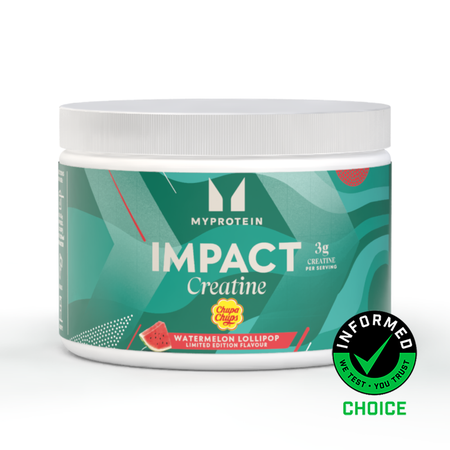
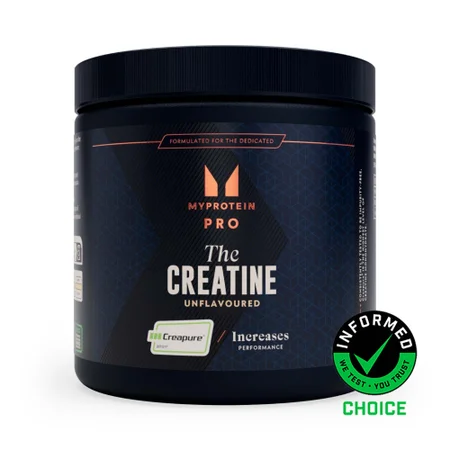
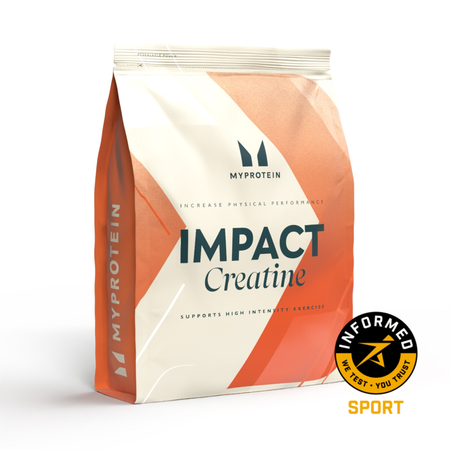

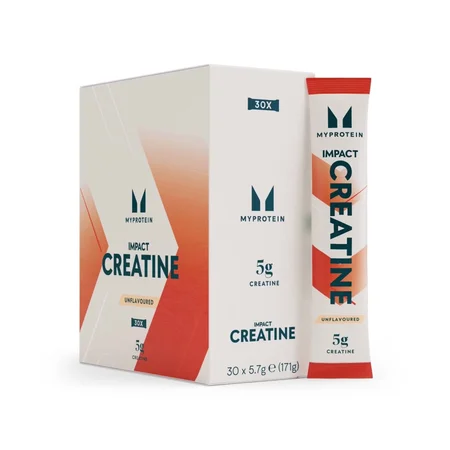

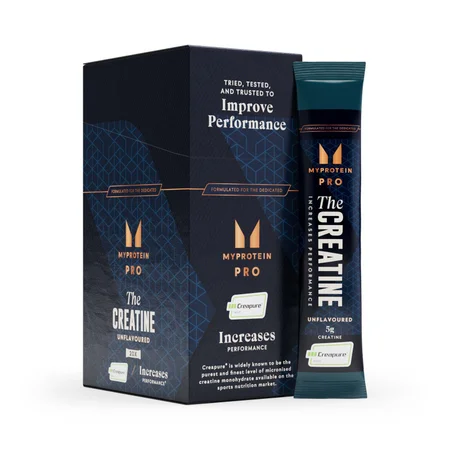


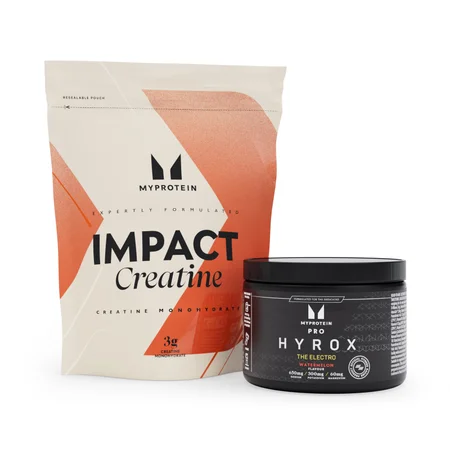
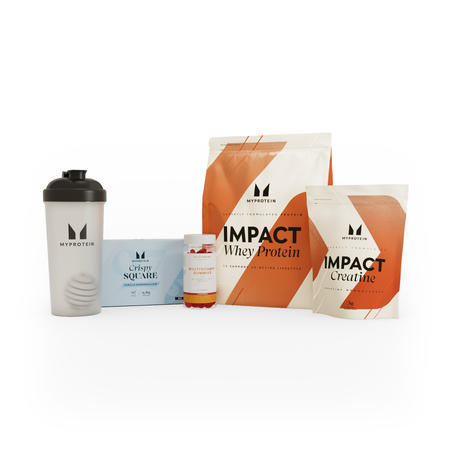
Shop Creatine Monohydrate at Myprotein
Creatine monohydrate is one of the most researched sports nutrition ingredients available, and Myprotein's range brings it to you in every format you need. Whether you prefer creatine monohydrate powder you can mix into your shake, convenient tablets, or something a little different, there's a format here that fits your routine. Each product delivers creatine in its purest, most established form — monohydrate — so you know exactly what you're getting.
From unflavoured micronised creatine monohydrate powder to flavoured options and on-the-go gummies, the range is built around flexibility. Creatine monohydrate increases physical performance in successive bursts of short-term, high intensity exercise1, making it a staple in training stacks across the board. Browse the full range and find the format that works for you.
Who Creatine Monohydrate Is For
Creatine monohydrate is a go-to for anyone training hard — whether that's in the gym, on the track, or on the field. It's particularly popular with those doing resistance training, sprinting, HIIT, or any sport that demands repeated explosive efforts. If high-intensity output is part of your training, creatine monohydrate is worth knowing about.
It's also a practical choice for experienced gym-goers looking to build a no-fuss supplement stack. Creatine monohydrate powder mixes easily and stacks well with protein shakes and pre-workouts, while tablets and gummies suit those who prefer a quicker, fuss-free option. Whatever your training style, there's a format here that fits.
When to Use Creatine Monohydrate
Consistency matters more than timing when it comes to creatine monohydrate. The key is taking it daily so your muscles maintain a steady supply. Many people choose to take it around their workout — either just before or just after — but the most important thing is making it a regular habit rather than worrying about the exact window.
On rest days, take it at a consistent time that's easy to remember — with a meal works well. A standard daily intake is 3g of creatine monohydrate, which is the amount needed for the performance benefit1. Whether you go for powder, tablets, or gummies, hitting that daily amount is what counts.
Creatine Monohydrate Benefits
The Most Researched Form of Creatine
Monohydrate is the original and most extensively studied form of creatine. Decades of research back its use, making it the benchmark that other creatine forms are measured against. When you buy creatine monohydrate, you're choosing the version with the longest track record in sport and nutrition science.
Performance in High-Intensity Exercise
Creatine monohydrate increases physical performance in successive bursts of short-term, high intensity exercise1. That makes it relevant for sprint intervals, heavy lifting sets, and any training that demands repeated explosive output. It's one of the few sports nutrition ingredients with an EU-authorised performance claim behind it.
Multiple Formats to Suit Your Routine
From micronised creatine monohydrate powder — which disperses more finely in liquid — to tablets, capsules, and gummies, there's a delivery format for every preference. Powder gives you flexibility with dosing and stacking; tablets and gummies make daily dosing straightforward without any mixing required.
Simple to Stack
Creatine monohydrate powder is unflavoured in its purest form, which means it pairs easily with protein shakes, pre-workouts, or any other supplement you're already taking. It doesn't change the taste of whatever you mix it with, keeping your stack simple and your routine clean.
Popular Picks
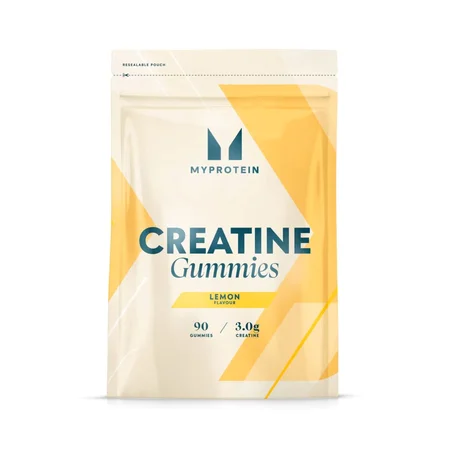
After something different? Creatine Gummies - Creatine monohydrate powder in collaboration with Chupa Chups, bringing iconic flavours to your daily creatine routine.
FAQs
What is creatine monohydrate?
Creatine monohydrate is a compound made up of creatine — a naturally occurring substance found in muscle tissue — bound to a water molecule. It's the most studied form of creatine available and the format used in the vast majority of sports nutrition research. Creatine monohydrate powder and tablets are among the most widely used supplements in sport.
What does creatine monohydrate do?
Creatine monohydrate increases physical performance in successive bursts of short-term, high intensity exercise1. It's used by athletes and gym-goers across a wide range of disciplines, from sprinting and weightlifting to team sports. The daily intake needed to achieve this effect is 3g of creatine.
What's the difference between creatine monohydrate powder and tablets?
Both deliver creatine monohydrate — the difference is purely in format. Powder gives you flexibility to mix it into shakes or drinks and can be easier to dose precisely. Tablets are pre-measured and more convenient if you prefer not to use a shaker. Creatine monohydrate gummies offer a third option for those who want something even more portable and straightforward.
What is micronised creatine monohydrate?
Micronised creatine monohydrate is creatine that's been processed into a finer particle size. The smaller particles tend to disperse more evenly in liquid, which can mean smoother mixability compared to standard creatine monohydrate powder. The creatine itself is the same — micronisation is about texture and mixability rather than a different compound.
How much creatine monohydrate should I take per day?
The standard daily amount associated with the performance benefit is 3g of creatine monohydrate1. This applies whether you're using powder, tablets, capsules, or gummies — check the label of your chosen product to confirm the serving size and how many servings deliver that amount.
When is the best time to take creatine monohydrate?
Daily consistency is more important than precise timing. Many people take creatine monohydrate around their workout, but taking it at any consistent time each day — including rest days — is the priority. Taking it with food is a practical approach that makes it easy to build into your routine.
Can I stack creatine monohydrate powder with other supplements?
Unflavoured creatine monohydrate powder is one of the easiest ingredients to stack — it mixes into protein shakes, pre-workouts, or plain water without altering taste. It's commonly combined with protein supplements as part of a training stack. Just check the labels of each product you're using to keep an eye on your total daily intake of each ingredient.
Who developed Myprotein's creatine monohydrate products?
Myprotein's creatine monohydrate range is developed by Myprotein's expert nutritionists, who formulate each product to deliver a consistent, quality source of creatine in formats designed around how people actually train and supplement.
Are Myprotein's creatine monohydrate products Informed Sport accredited?
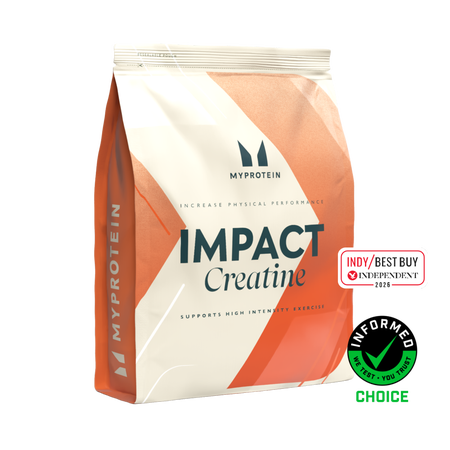
Some products in the creatine monohydrate range carry Informed Sport accreditation, which means they've been batch-tested for substances prohibited in sport. If third-party testing is important to your training or competition requirements, check the individual product page for accreditation details before purchasing.
What formats of creatine monohydrate does Myprotein offer?
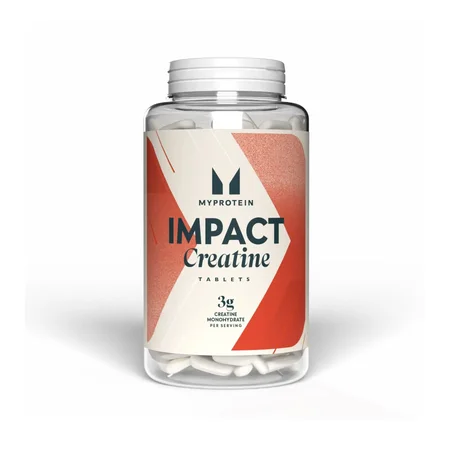
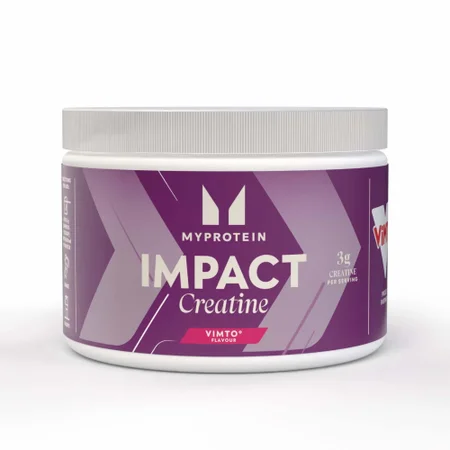
The range covers creatine monohydrate in powder, tablets, capsules, and gummies — as well as flavoured powder options for those who want something beyond unflavoured. Whether you're after micronised creatine monohydrate for smooth mixing or a grab-and-go gummy, there's a format to suit different preferences and routines.
1. Creatine increases physical performance in successive bursts of short-term, high intensity exercise. The beneficial effect is obtained with a daily intake of 3g of creatine.