Vitamins For Women
49 Results
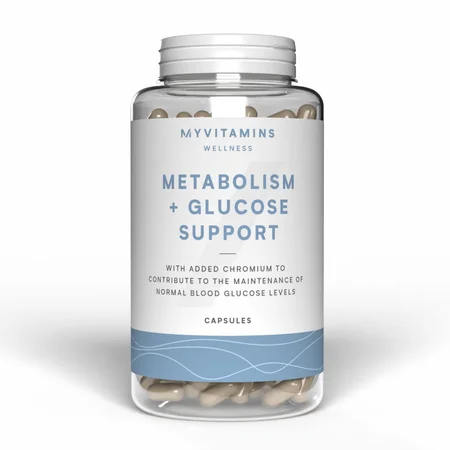
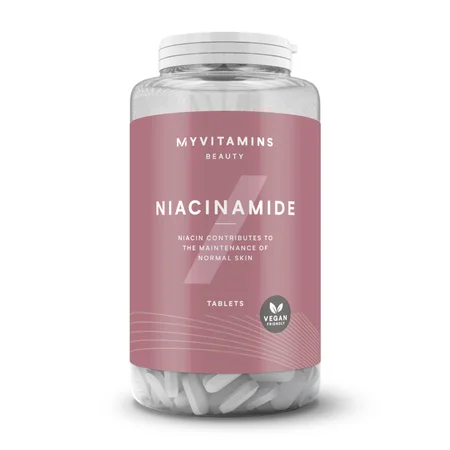

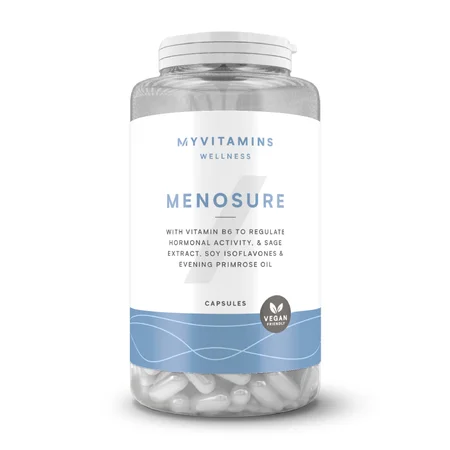
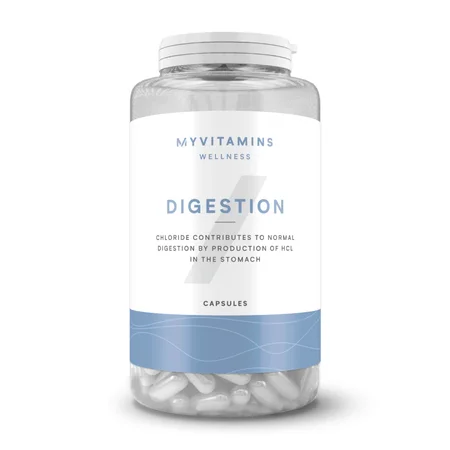
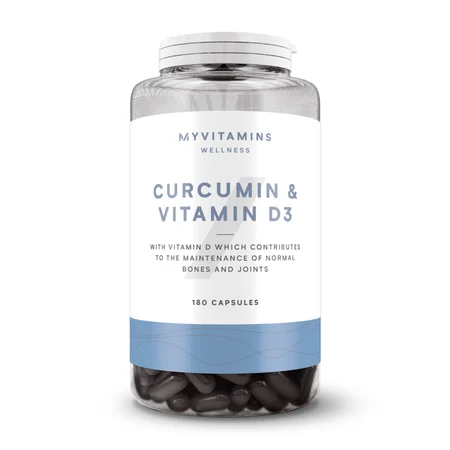
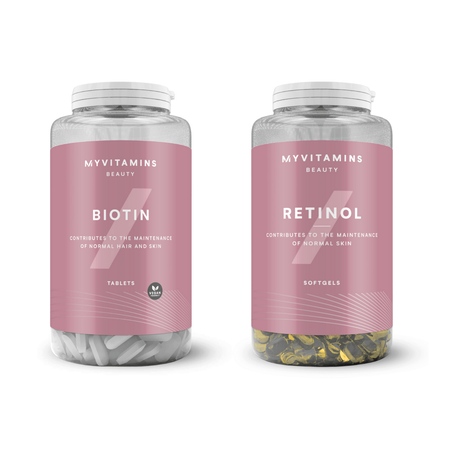

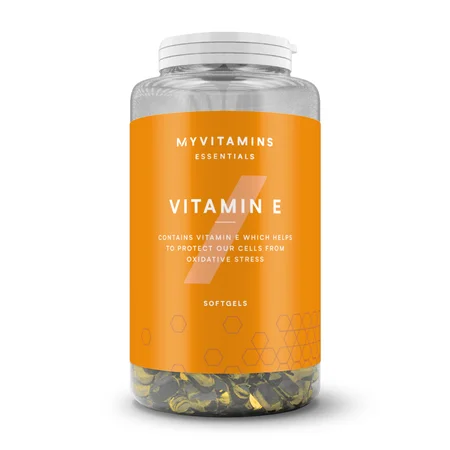
Shop Vitamins For Women at Myprotein
Finding the right vitamins for women means understanding what your body actually needs. From iron and folic acid to B vitamins and vitamin D, certain nutrients play distinct roles in women's health throughout different life stages. The range includes everything from targeted single-nutrient formulas to comprehensive multivitamins designed with female physiology in mind.
Whether you're looking for gentle iron formulations, hormone-supporting blends, or daily multivitamins, the collection offers options in capsules, gummies, and tablets. Each product is developed by Myprotein's expert nutritionists to deliver specific nutrients at meaningful levels.
Who Should Try These Vitamins
Women's vitamins suit anyone looking to fill nutritional gaps in their diet. Active women, those following restrictive diets, or anyone experiencing increased nutritional demands may find these formulations particularly useful. The range covers various needs, from iron and folate for those of childbearing age to comprehensive multivitamin support for overall wellness.
Different formulations target different requirements. Gentle iron products work well for those who struggle with standard iron supplements, while hormone-supporting blends contain botanicals alongside vitamins. Multivitamins provide broad-spectrum nutrition, and collagen capsules offer a focused approach to skin, hair, and nail support.
When to Use Vitamins For Women
Most women's vitamins work best when taken consistently as part of a daily routine. Iron supplements are typically better absorbed on an empty stomach, though gentle formulations like iron bisglycinate can be taken with food if preferred. Fat-soluble vitamins such as vitamin D absorb more effectively when consumed with a meal containing some dietary fat.
Multivitamins can be taken at any time of day, but many people find mornings work well for building the habit. Hormone-supporting formulations and collagen supplements don't require specific timing. The key is consistency rather than precise scheduling.
Vitamins For Women Benefits
Targeted Nutrient Support
Women's health vitamins deliver specific nutrients that play important roles in female physiology. Iron contributes to normal oxygen transport in the body and the reduction of tiredness and fatigue.1,2 Folate has a role in the process of cell division and contributes to maternal tissue growth during pregnancy.3,4 Vitamin B6 contributes to the regulation of hormonal activity.5
Comprehensive Multivitamin Formulations
Multivitamins for women combine multiple nutrients in one convenient dose. These typically include B vitamins, which contribute to normal energy-yielding metabolism and the reduction of tiredness and fatigue,6,7 alongside vitamin D, which contributes to the normal function of the immune system and the maintenance of normal bones.8,9
Gentle, Absorbable Forms
Modern women's vitamins often use chelated or bisglycinate forms of minerals like iron, which many people find easier to tolerate. Gummy formats provide an alternative to tablets and capsules, whilst maintaining effective nutrient delivery. This variety means you can choose formats that fit your preferences and digestive comfort.
Skin, Hair, and Nail Support
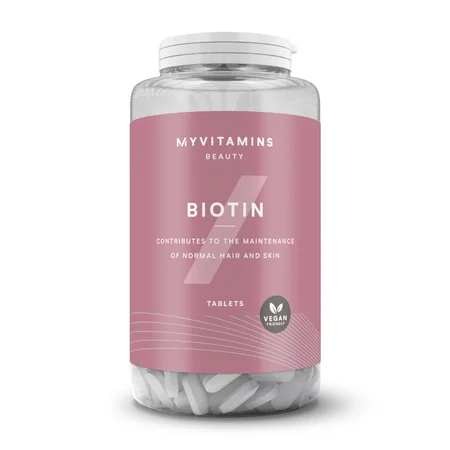
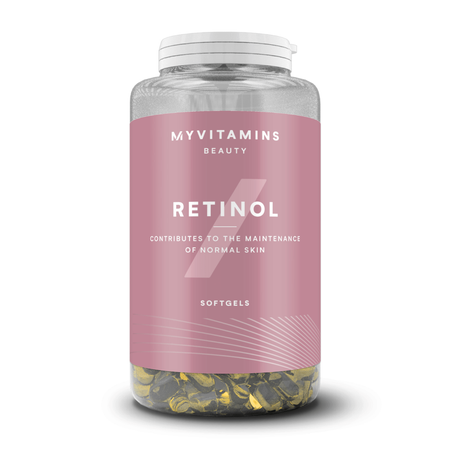
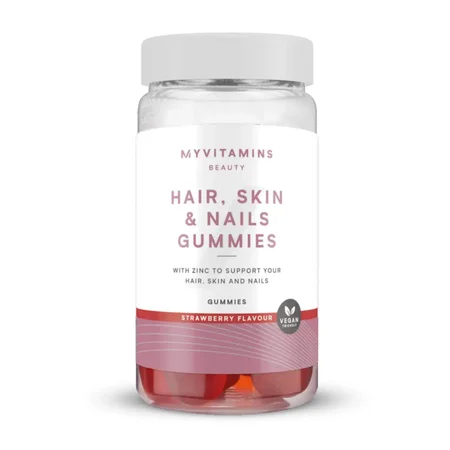
Certain nutrients contribute to the maintenance of normal skin, hair, and nails. Biotin, riboflavin, and vitamin A all contribute to the maintenance of normal skin,10,11,12 whilst biotin specifically contributes to the maintenance of normal hair.13 Vitamin C contributes to normal collagen formation for the normal function of skin.14
Popular Picks
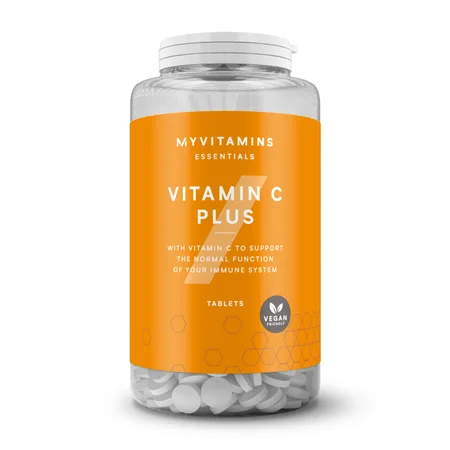
Looking for gentle iron? Gentle Iron Bisglycinate + Folic Acid deliver hydrolysed collagen peptides in a concentrated capsule form. These work well alongside vitamin C, which contributes to normal collagen formation for the normal function of skin.14
FAQs
What are vitamins for women?
Vitamins for women are nutritional supplements formulated to address specific nutrient requirements common in female physiology. These products typically contain vitamins and minerals such as iron, folic acid, calcium, vitamin D, and B vitamins in amounts selected for women's health needs. Some formulations also include botanicals or other ingredients alongside core nutrients.
The range includes single-nutrient products like iron supplements, comprehensive multivitamins covering multiple nutrients, and targeted blends focusing on specific areas such as hormone support or skin health. Forms vary from tablets and capsules to gummies, allowing you to choose what works best for your routine.
How do women's vitamins differ from standard multivitamins?
Women's vitamins typically contain higher levels of iron and folic acid compared to general multivitamins, reflecting women's increased requirements for these nutrients. Iron contributes to normal formation of red blood cells and haemoglobin, whilst folate has a role in the process of cell division.15,3 Many women's formulations also emphasise calcium and vitamin D for bone support, as vitamin D contributes to the maintenance of normal bones.9
Some women's vitamins include vitamin B6, which contributes to the regulation of hormonal activity,5 or biotin, which contributes to the maintenance of normal hair and skin.13,10 The nutrient ratios and specific ingredients are selected based on nutritional research relating to women's health throughout different life stages.
Which vitamins should women consider taking daily?
The most commonly recommended vitamins for women include vitamin D, which contributes to the normal function of the immune system and the maintenance of normal bones,8,9 and B vitamins, which contribute to normal energy-yielding metabolism and the reduction of tiredness and fatigue.6,7 Iron is particularly important for women of childbearing age, as it contributes to normal oxygen transport in the body.17
Folic acid is essential for women of childbearing age, as it has a role in the process of cell division and contributes to maternal tissue growth during pregnancy.3,4 Vitamin C contributes to normal collagen formation for the normal function of skin, bones, and teeth,14,18,19 whilst vitamin A contributes to the maintenance of normal skin and vision.12,20 A well-formulated multivitamin typically covers these bases.
When is the best time to take women's vitamins?
Most vitamins can be taken at any time of day that suits your routine, though consistency matters more than specific timing. Fat-soluble vitamins such as vitamins A, D, E, and K absorb better when taken with a meal containing some dietary fat. Water-soluble vitamins like B complex and vitamin C don't require food but can be taken with meals if that's more convenient.
Iron supplements are often better absorbed on an empty stomach, though chelated forms like iron bisglycinate can be taken with food if preferred. Many people take multivitamins with breakfast to establish a daily habit. The key is finding a time that works for you and sticking to it consistently.
Can I take women's vitamins if I follow a plant-based diet?
Many women's vitamins are suitable for vegetarians and vegans, though you'll need to check individual product labels. Plant-based diets can sometimes fall short in certain nutrients, making supplementation particularly useful. Vitamin B12, which contributes to normal red blood cell formation and the reduction of tiredness and fatigue,21,22 is primarily found in animal products, so vegans often benefit from supplementation.
Iron from plant sources is less readily absorbed than iron from animal products, so iron supplements may be helpful. Iron contributes to normal oxygen transport in the body and normal cognitive function.17,23 Vitamin D, which contributes to the maintenance of normal bones and muscle function,9,24 can also be harder to obtain from plant-based diets, particularly during winter months.
How do hormone support vitamins work?
Hormone support vitamins typically contain vitamin B6, which contributes to the regulation of hormonal activity,5 alongside other nutrients and botanicals. These formulations often include magnesium, which contributes to normal psychological function,25 and various plant extracts selected for their traditional use in women's health.
The products combine vitamins with minerals and botanicals to provide nutritional support during different phases of the menstrual cycle or life stages. Vitamin B6 also contributes to normal psychological function and the reduction of tiredness and fatigue,26,27 whilst B12 contributes to normal homocysteine metabolism and energy-yielding metabolism.28,29
What's the difference between iron supplements for women?
Iron supplements differ primarily in the form of iron they contain. Standard iron supplements often use ferrous sulphate or ferrous fumarate, whilst gentler formulations use iron bisglycinate, a chelated form that many people find easier to tolerate. All forms contribute to normal formation of red blood cells and the reduction of tiredness and fatigue,15,2 but absorption and digestive comfort can vary.
Some iron supplements include vitamin C, which increases iron absorption,30 or folic acid, which has a role in the process of cell division and contributes to normal blood formation.3,31 The dose varies between products, with some providing 100% of the nutrient reference value and others offering lower maintenance levels. Choose based on your specific requirements and how you respond to different formulations.
Who develops Myprotein's vitamins for women?
Myprotein's vitamins for women are formulated by the brand's expert nutritionists, who select ingredients and dosages based on nutritional science and women's health requirements. The team considers factors such as nutrient reference values, absorption characteristics, and the specific nutritional needs that arise at different life stages.
Each product undergoes rigorous quality testing to ensure it meets Myprotein's standards. The formulations are designed to provide meaningful levels of key nutrients, whether that's iron, which contributes to normal oxygen transport,17 or vitamin D, which contributes to the normal function of the immune system.8 The range is regularly reviewed and updated based on emerging nutritional research.
Can women's vitamins help with tiredness and fatigue?
Several vitamins and minerals contribute to the reduction of tiredness and fatigue. These include iron, riboflavin, niacin, pantothenic acid, vitamin B6, vitamin B12, folate, and vitamin C.2,32,33,34,27,22,35,36 Women's multivitamins typically contain these nutrients in meaningful amounts, often at 100% of the nutrient reference value or higher.
B vitamins in particular contribute to normal energy-yielding metabolism,6 whilst iron contributes to normal oxygen transport in the body, which is fundamental to cellular energy production.17 Magnesium also contributes to the reduction of tiredness and fatigue alongside its role in normal muscle function.37,38 A well-formulated multivitamin covers multiple bases for nutritional support.
How do collagen supplements fit into women's vitamin routines?
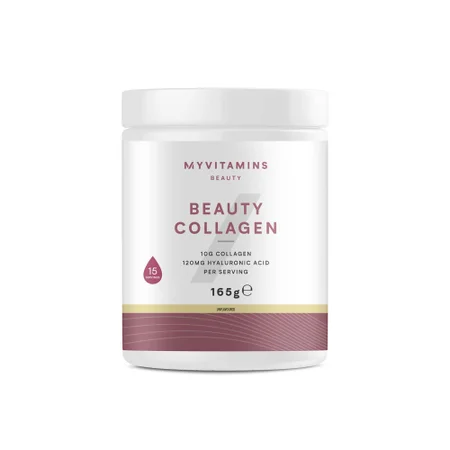
Collagen supplements provide hydrolysed collagen peptides, which are simply collagen protein broken down into smaller chains. Collagen is the most abundant protein in the body and a major component of skin, hair, nails, joints, and connective tissue. These supplements work well alongside vitamin C, which contributes to normal collagen formation for the normal function of skin, bones, blood vessels, cartilage, gums, and teeth.14,18,39,40,41,19
Many women include collagen supplements in their routine for skin, hair, and nail support, often taking them alongside a multivitamin that provides vitamin C and other nutrients. The peptides in collagen supplements are absorbed in the digestive system and distributed throughout the body. Collagen capsules offer a convenient format that fits easily into daily supplement routines.
1. Iron contributes to normal oxygen transport in the body.
2. Iron contributes to the reduction of tiredness and fatigue.
3. Folate has a role in the process of cell division.
4. Folate contributes to maternal tissue growth during pregnancy.
5. Vitamin B6 contributes to the regulation of hormonal activity.
6. Riboflavin contributes to normal energy-yielding metabolism.
7. Riboflavin contributes to the reduction of tiredness and fatigue.
8. Vitamin D contributes to the normal function of the immune system.
9. Vitamin D contributes to the maintenance of normal bones.
10. Biotin contributes to the maintenance of normal skin.
11. Riboflavin contributes to the maintenance of normal skin.
12. Vitamin A contributes to the maintenance of normal skin.
13. Biotin contributes to the maintenance of normal hair.
14. Vitamin C contributes to normal collagen formation for the normal function of skin.
15. Iron contributes to normal formation of red blood cells and haemoglobin.
16. Vitamin B12 contributes to normal psychological function.
17. Iron contributes to normal oxygen transport in the body.
18. Vitamin C contributes to normal collagen formation for the normal function of bones.
19. Vitamin C contributes to normal collagen formation for the normal function of teeth.
20. Vitamin A contributes to the maintenance of normal vision.
21. Vitamin B12 contributes to normal red blood cell formation.
22. Vitamin B12 contributes to the reduction of tiredness and fatigue.
23. Iron contributes to normal cognitive function.
24. Vitamin D contributes to the maintenance of normal muscle function.
25. Magnesium contributes to normal psychological function.
26. Vitamin B6 contributes to normal psychological function.
27. Vitamin B6 contributes to the reduction of tiredness and fatigue.
28. Vitamin B12 contributes to normal homocysteine metabolism.
29. Vitamin B12 contributes to normal energy-yielding metabolism.
30. Vitamin C increases iron absorption.
31. Folate contributes to normal blood formation.
32. Riboflavin contributes to the reduction of tiredness and fatigue.
33. Niacin contributes to the reduction of tiredness and fatigue.
34. Pantothenic acid contributes to the reduction of tiredness and fatigue.
35. Folate contributes to the reduction of tiredness and fatigue.
36. Vitamin C contributes to the reduction of tiredness and fatigue.
37. Magnesium contributes to a reduction of tiredness and fatigue.
38. Magnesium contributes to normal muscle function.
39. Vitamin C contributes to normal collagen formation for the normal function of blood vessels.
40. Vitamin C contributes to normal collagen formation for the normal function of cartilage.
41. Vitamin C contributes to normal collagen formation for the normal function of gums.