Sports Supplements & Vitamins





















Shop Sports Supplements & Vitamins at Myprotein
Whether you're training for performance or working towards your fitness goals, the right nutrition makes all the difference. Sports supplements and vitamins are designed to support your active lifestyle, providing convenient ways to meet your nutritional needs alongside a balanced diet. From essential vitamins and minerals to amino acids and omega-3 fatty acids, these products help you maintain the nutritional foundations that matter most.
Our range of sports nutrition supplements has been developed by expert nutritionists who understand what athletes and active individuals need. Each product is manufactured to rigorous quality standards, with many carrying Informed Sport accreditation for added peace of mind. Available in tablets, capsules, and powders, there's a format to suit every routine and preference.
Who Sports Supplements & Vitamins Are For
These supplements suit anyone with an active lifestyle, from gym-goers and recreational athletes to those training at competitive levels. If you're following a structured training programme, sports vitamins and minerals can help you maintain adequate nutrient intake when your requirements are elevated through regular exercise. They're particularly useful if you're managing a busy schedule that makes consistent meal planning challenging.
Many people find athletic supplements valuable during periods of intense training or when following specific dietary patterns. Vegetarians and vegans often use targeted supplementation to ensure they're meeting their nutritional needs, whilst those with demanding work schedules appreciate the convenience of having key nutrients in portable formats. Whatever your fitness level or training goals, these products are designed to fit seamlessly into your daily routine.
When to Use Sports Supplements & Vitamins
Timing depends on the specific supplement and your personal routine. Many people take multivitamins and minerals with breakfast to establish a consistent daily habit, whilst others prefer splitting doses throughout the day with meals. Magnesium is often taken in the evening, and omega-3 supplements can be taken at any time of day with food for better absorption.
BCAAs are commonly used around training sessions, with some athletes preferring to take them before or during workouts, whilst others include them afterwards. For supplements designed to support specific body functions like testosterone levels, following the recommended serving instructions on the label ensures you're using the product as intended. The key is finding a routine that works for your schedule and sticking to it consistently.
Sports Supplements & Vitamins Benefits
Comprehensive Nutritional Support
Multivitamins provide a broad spectrum of essential nutrients in one convenient serving. Vitamin B6 contributes to normal protein and glycogen metabolism, normal energy-yielding metabolism, and normal functioning of the nervous system.1,2,3 Vitamin C contributes to the normal function of the immune system and to the protection of cells from oxidative stress,4,5 whilst vitamin D contributes to the maintenance of normal bones and normal muscle function.6,7
Essential Mineral Replenishment
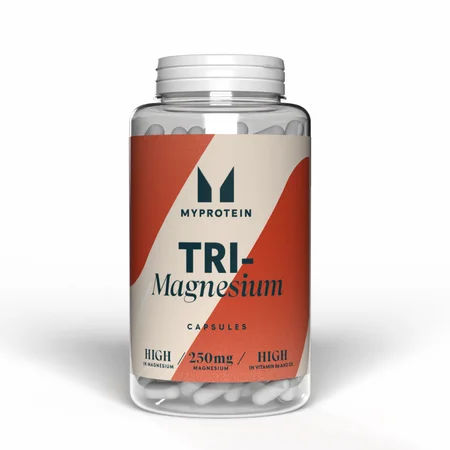
Magnesium capsules deliver a key mineral involved in numerous body processes. Magnesium contributes to normal muscle function, normal protein synthesis, and a reduction of tiredness and fatigue.8,9,10 It also contributes to electrolyte balance, which is particularly relevant for those who train regularly.11 Having adequate magnesium intake helps maintain normal energy-yielding metabolism and normal psychological function.12,13
Amino Acid Building Blocks
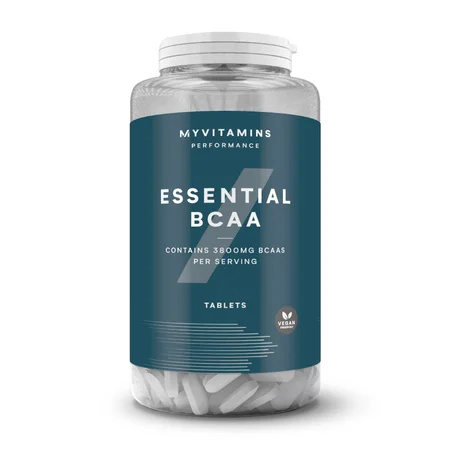
BCAA tablets contain leucine, isoleucine, and valine—three of the nine essential amino acids that must come from your diet. BCAAs are components of protein, and protein contributes to the growth and maintenance of muscle mass.14,15 These amino acids are found in high concentrations in muscle tissue and are commonly used by athletes as part of their supplement stack around training sessions.
Omega-3 Fatty Acids
Essential omega-3 supplements provide EPA and DHA, fatty acids that must be obtained through diet. These are structural components of cell membranes throughout the body. Many people choose to supplement omega-3s as a convenient way to ensure consistent intake, particularly if they don't regularly eat fatty fish. The softgel format makes them easy to incorporate into your daily routine.
Popular Picks
Looking for comprehensive daily nutrition? Multivitamins for Men combines zinc with plant extracts including fenugreek and ashwagandha. Zinc contributes to the maintenance of normal testosterone levels in the blood and to normal protein synthesis.21,22 Designed for men looking to support their training alongside proper nutrition and recovery.
FAQs
What are sports supplements and vitamins?
Sports supplements and vitamins are nutritional products designed to complement the diet of active individuals. They include essential vitamins and minerals, amino acids like BCAAs, omega-3 fatty acids, and targeted formulations for specific needs. These products come in various formats including tablets, capsules, and powders, making it convenient to maintain consistent nutrient intake alongside your training programme.
Who developed these sports nutrition supplements?
These supplements have been developed by Myprotein's expert nutritionists who specialise in sports nutrition. Each formula is carefully designed based on nutritional science and manufactured to high quality standards. Many products carry Informed Sport accreditation, which provides independent testing for banned substances—important for athletes subject to drug testing protocols.
How do sports supplements differ from regular multivitamins?
Sports supplements often include higher levels of certain nutrients that may be relevant for active individuals, such as B vitamins for normal energy-yielding metabolism2 or magnesium for normal muscle function.8 They may also contain ingredients specifically popular with athletes, like BCAAs or creatine. However, the fundamental purpose remains the same—providing nutrients that support normal body functions as part of a balanced diet and healthy lifestyle.
Can I take multiple supplements together?
Many people combine different supplements as part of their daily routine, such as taking a multivitamin with omega-3 capsules and using BCAAs around training. Check the labels to avoid exceeding recommended intakes of individual nutrients, particularly fat-soluble vitamins. If you're taking multiple products, consider whether there's overlap in ingredients to ensure you're staying within sensible limits for each nutrient.
What does Informed Sport accreditation mean?
Informed Sport is a quality assurance programme for sports nutrition products. It involves regular testing of supplements for banned substances on the World Anti-Doping Agency (WADA) list. Products carrying the Informed Sport logo have been batch-tested and the manufacturing facilities audited. This provides confidence for athletes who compete under anti-doping regulations and want assurance about what they're consuming.
How should I choose which sports vitamins I need?
Consider your current diet, training demands, and any specific nutritional gaps you're looking to address. A multivitamin provides broad-spectrum coverage of essential vitamins and minerals, whilst targeted supplements like magnesium or omega-3 allow you to focus on specific nutrients. BCAAs are amino acids commonly used by those following structured training programmes. Look at your typical meal patterns and training schedule to identify which supplements might be most useful.
What's the difference between tablets and capsules?
Tablets are compressed powder, whilst capsules contain powder or liquid inside a gelatine or vegetarian shell. Both deliver the same active ingredients effectively. Some people find capsules easier to swallow, whilst others prefer tablets. Softgel capsules are often used for omega-3 supplements as they protect the oil inside. Choose the format that suits your personal preference and routine.
Do I need to take supplements on rest days?
For vitamins and minerals like those in multivitamins or magnesium supplements, consistency matters more than timing around training. These nutrients support ongoing body functions, so taking them daily—including rest days—helps maintain steady levels. Your body doesn't distinguish between training and rest days when it comes to fundamental nutritional needs for normal energy metabolism,12 normal psychological function,13 or normal immune function.4
How long does it take to notice benefits from supplements?
This varies by supplement and individual circumstances. Building up nutrient levels in your body happens gradually, particularly if you've been running low on certain vitamins or minerals. Some people notice changes within a few weeks, whilst for others it may take longer. Consistency is key—supplements work best when taken regularly as part of a balanced diet and training programme, not as occasional additions.
Can vegetarians and vegans use these supplements?
Many supplements are suitable for vegetarians, and several options are also vegan-friendly. Check individual product labels for specific information about ingredients and capsule shells. Vegetarians and vegans often find supplements particularly useful for nutrients that can be harder to obtain from plant-based diets, such as vitamin B12, which contributes to normal red blood cell formation and normal functioning of the nervous system.16,23 Omega-3 supplements may come from fish oil or algae sources.
1. Vitamin B6 contributes to normal protein and glycogen metabolism.
2. Vitamin B6 contributes to normal energy-yielding metabolism.
3. Vitamin B6 contributes to normal functioning of the nervous system.
4. Vitamin C contributes to the normal function of the immune system.
5. Vitamin C contributes to the protection of cells from oxidative stress.
6. Vitamin D contributes to the maintenance of normal bones.
7. Vitamin D contributes to the maintenance of normal muscle function.
8. Magnesium contributes to normal muscle function.
9. Magnesium contributes to normal protein synthesis.
10. Magnesium contributes to a reduction of tiredness and fatigue.
11. Magnesium contributes to electrolyte balance.
12. Magnesium contributes to normal energy-yielding metabolism.
13. Magnesium contributes to normal psychological function.
14. Protein contributes to a growth in muscle mass.
15. Protein contributes to the maintenance of muscle mass.
16. Vitamin B12 contributes to normal red blood cell formation.
17. Vitamin B12 contributes to the reduction of tiredness and fatigue.
18. Vitamin A contributes to the maintenance of normal vision.
19. Vitamin A contributes to the normal function of the immune system.
20. Magnesium contributes to the maintenance of normal bones.
21. Zinc contributes to the maintenance of normal testosterone levels in the blood.
22. Zinc contributes to normal protein synthesis.
23. Vitamin B12 contributes to normal functioning of the nervous system.