Matcha Protein Powder
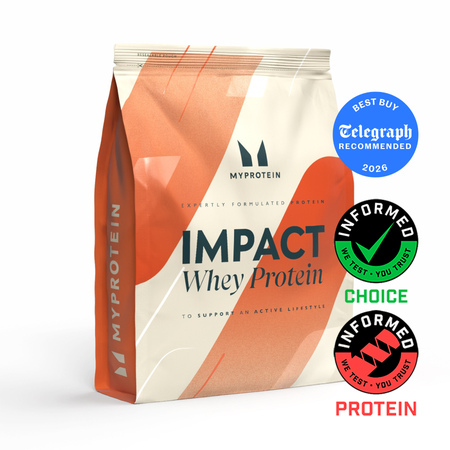

Shop Matcha Protein Powder at Myprotein
Matcha protein powder combines the earthy, vibrant taste of Japanese green tea with high-quality protein, creating a unique alternative to traditional flavours. Made from finely ground matcha leaves blended with whey, isolate, or plant-based proteins, these formulas deliver protein whilst offering the distinctive flavour matcha enthusiasts love.
Whether you're looking for matcha whey protein or a matcha flavoured protein powder in vegan-friendly formats, the range caters to different dietary preferences. Each serving provides a convenient way to hit your protein targets whilst enjoying the smooth, slightly sweet taste that sets matcha apart from standard chocolate or vanilla options.
Who Matcha Protein Powders Are For
Matcha protein powders suit anyone seeking variety in their supplement routine. Gym-goers, athletes, and active individuals who've grown tired of conventional flavours often turn to matcha protein shakes for something different. The distinctive taste works well in smoothies, oats, or even baked protein recipes.
Those who already enjoy matcha green tea protein powder appreciate the familiar flavour profile in a functional format. Vegetarians, vegans, and those with dairy sensitivities can find plant-based matcha protein options, whilst whey-based versions deliver fast-digesting protein for post-workout use. If you value taste as much as nutrition, matcha protein offers both.
When to Use Matcha Protein Powder
Post-workout timing remains popular for matcha whey protein, delivering amino acids when your muscles need them most. Many people mix a matcha protein shake within 30-60 minutes of finishing their session, though any time of day works depending on your protein goals.
Morning smoothies, mid-afternoon snacks, or evening protein-boosted desserts all benefit from the versatility of matcha flavoured protein powder. The mild caffeine content from matcha can complement morning routines, though it's gentle enough not to disrupt sleep if consumed earlier in the evening. Use it whenever you need to increase your daily protein intake whilst enjoying a flavour that stands out from the usual options.
Matcha Protein Powder Benefits
High-Quality Protein Source
Matcha protein powders deliver complete protein profiles, with whey-based versions containing all nine essential amino acids. Protein contributes to the growth and maintenance of muscle mass1, making these formulas effective for muscle-building goals. Plant-based matcha protein options provide comparable protein content for those avoiding dairy.
Distinctive Flavour Profile
The earthy, slightly sweet taste of matcha green tea protein powder offers a refreshing change from standard flavours. It blends smoothly into shakes, pairs well with vanilla or coconut, and works in both sweet and neutral recipes without the cloying sweetness of some traditional protein flavours.
Versatile Usage Options
Beyond basic matcha protein shakes, these powders adapt to numerous recipes. Mix into overnight oats, blend into protein pancakes, or incorporate into energy balls for convenient snacking. The fine powder consistency ensures smooth mixing whether you're using a shaker or blender.
Convenient Protein Boost
Each serving typically provides 20-25g of protein, helping you meet daily targets without extensive meal prep. Whether you buy matcha protein powder for gym nutrition or general dietary supplementation, the portion-controlled format makes hitting protein goals straightforward and enjoyable.
Popular Picks
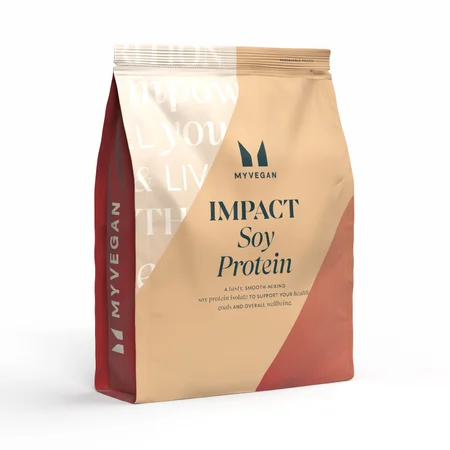
Looking for a versatile matcha option? Impact Whey Protein Powder - This dairy-free soy isolate works beautifully when blended with matcha powder, offering a vegan-friendly way to enjoy matcha protein shakes with complete amino acid profiles.
FAQs
What is matcha protein powder?
Matcha protein powder combines finely ground Japanese green tea leaves with protein sources like whey concentrate, whey isolate, or plant-based proteins. The result is a nutritional supplement that delivers 20-25g of protein per serving alongside the distinctive earthy, slightly sweet flavour of matcha.
The protein component contributes to muscle growth and maintenance1, whilst the matcha provides authentic green tea taste without added sugars or artificial flavouring. These powders typically mix into water, milk, or smoothies, creating matcha protein shakes that work for post-workout nutrition or general protein supplementation.
How does matcha protein compare to regular protein powder?
The primary difference lies in flavour rather than protein quality. Matcha whey protein contains the same complete amino acid profile as chocolate or vanilla whey, delivering identical muscle-supporting benefits. However, the taste profile leans towards earthy, slightly vegetal notes with subtle sweetness rather than the rich, dessert-like flavours of conventional options.
Matcha green tea protein powder may contain trace amounts of naturally occurring caffeine from the matcha leaves, though levels remain minimal compared to brewed tea. Nutritionally, you'll find similar protein, fat, and carbohydrate macros to standard flavours, with the main appeal being variety for those seeking alternatives to traditional tastes.
Who developed Myprotein's matcha protein range?
Myprotein's expert nutritionists developed the matcha protein formulas, combining authentic matcha flavouring with high-quality protein bases. The team focused on creating smooth-mixing powders that deliver genuine green tea taste whilst maintaining the protein standards expected across the entire range.
Can I use matcha protein powder in recipes?
Absolutely. Matcha flavoured protein powder works exceptionally well beyond basic shakes. Blend it into smoothie bowls with berries and coconut, mix into overnight oats for a breakfast boost, or incorporate into protein pancakes and muffins for baked goods with subtle green tea flavour.
The powder's fine texture ensures even distribution in both cold and heated recipes. Some people add it to chia pudding, protein ice cream, or energy balls. The earthy flavour pairs particularly well with vanilla, coconut, honey, and fresh fruit, offering versatility that chocolate or strawberry proteins sometimes lack.
How do I choose between matcha whey protein and plant-based options?
Your choice depends on dietary preferences and digestion. Matcha whey protein absorbs quickly, making it popular for immediate post-workout use, and contains all essential amino acids naturally. Whey isolate versions offer lower lactose for those with dairy sensitivities whilst maintaining fast absorption.
Plant-based matcha protein suits vegans, those avoiding dairy entirely, or individuals who prefer slower-digesting protein blends. Soy protein isolate provides a complete amino acid profile similar to whey, whilst pea or rice blends require combining to achieve completeness. Both types contribute to muscle maintenance1 when consumed as part of adequate daily protein intake.
When should I drink a matcha protein shake?
Many people consume matcha protein shakes within an hour after resistance training to provide amino acids during the muscle recovery window. However, total daily protein intake matters more than precise timing for most goals, so you can use it whenever convenient.
Morning smoothies, mid-afternoon snacks between meals, or evening dessert alternatives all work well. The mild caffeine from matcha makes it a pleasant option for morning or early afternoon, though amounts are low enough not to significantly impact sleep if consumed with dinner. Essentially, use it whenever you need to increase protein intake whilst enjoying matcha's unique flavour.
Does matcha protein powder mix well?
Quality matcha protein powders mix smoothly with minimal clumping when shaken with liquid. Impact Whey Protein in matcha flavour dissolves easily in 200-300ml of water or milk using a standard shaker bottle. For thicker consistency, reduce liquid slightly or blend with ice.
Isolate versions typically mix even more smoothly due to their refined processing. If you notice clumping, ensure you're adding powder to liquid (not liquid to powder) and shaking vigorously for 20-30 seconds. Blenders guarantee lump-free results if you're creating smoothies or protein-based recipes.
How much protein do I need daily?
General recommendations suggest 1.6-2.2g of protein per kilogram of body weight for active individuals building or maintaining muscle. Someone weighing 75kg might target 120-165g daily. Matcha protein powder helps meet these targets conveniently, with each serving contributing 20-25g towards your total.
Protein contributes to the maintenance of muscle mass1, so consistent daily intake matters more than single-serving amounts. Spread intake across meals and snacks rather than loading one sitting. If you're uncertain about personal requirements, consider activity level, training intensity, and overall dietary protein from whole foods when planning supplementation.
What makes matcha flavour unique in protein powders?
Matcha brings an earthy, vegetal taste with subtle sweetness and slight astringency, completely different from fruit or chocolate profiles. The flavour comes from authentic green tea leaves ground into fine powder, creating genuine matcha character rather than artificial approximation.
This distinctiveness appeals to those who find traditional protein flavours too sweet or one-dimensional. Matcha green tea protein powder pairs unexpectedly well with neutral ingredients like oats or almond milk, and complements rather than dominates in mixed recipes. It's particularly popular among people who already enjoy matcha lattes or ceremonial tea preparations.
Can I buy matcha protein powder in different formats?
Matcha protein typically comes in powder form, available in various sizes from 250g pouches to 2.5kg bulk bags. The powder format offers maximum versatility for shakes, cooking, and baking. Some brands may offer ready-to-drink matcha protein shakes, though powder remains the most popular and cost-effective option.
Within powder formats, you'll find matcha flavour across different protein types: whey concentrate for balanced nutrition, whey isolate for higher protein percentages and lower fat, and plant-based options for vegan requirements. Choose based on dietary needs rather than format, as the powder itself performs consistently across uses.
1. Protein contributes to the growth and maintenance of muscle mass.