Protein Crisps & Snacks
10 Results
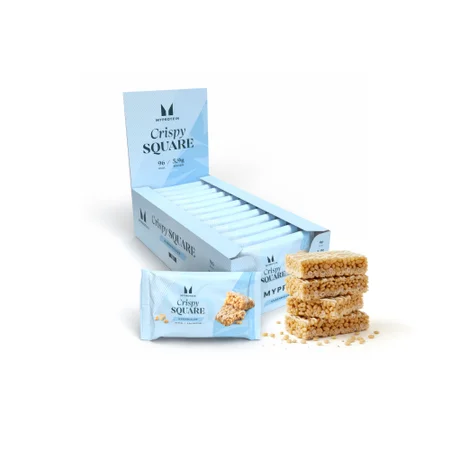
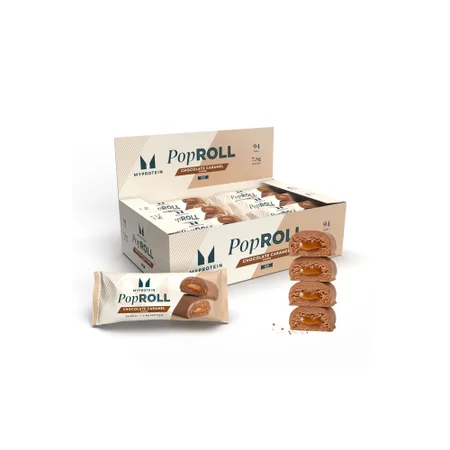
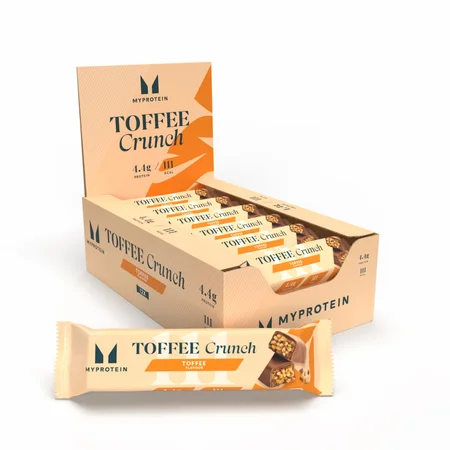
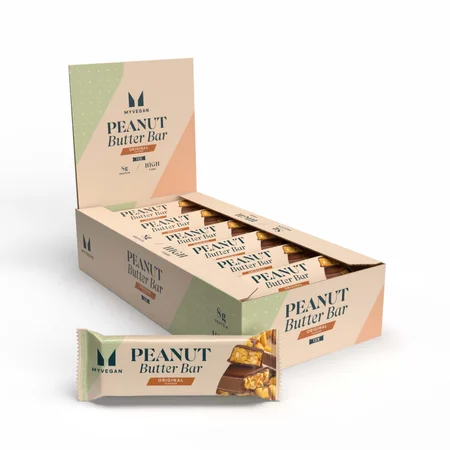
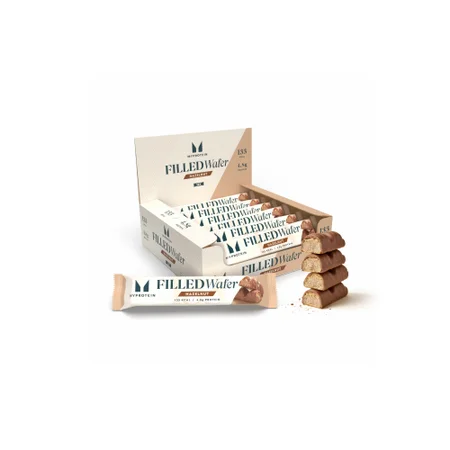
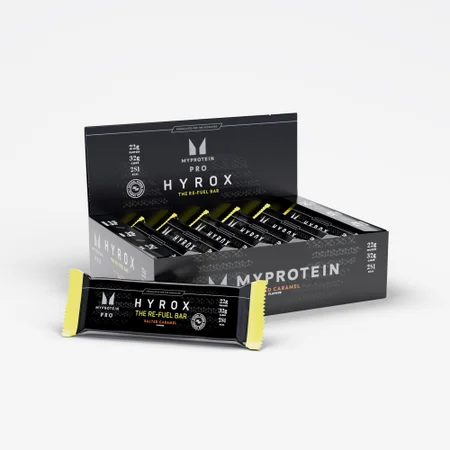
Shop High Protein Snacks at Myprotein
Looking for convenient protein snacks that fit into your active lifestyle? Our range of protein crisps and high protein snacks delivers serious nutrition without compromising on taste. Whether you need a quick protein boost between meals or a satisfying alternative to traditional snacks, these options keep your macros on track whilst delivering the flavours you crave.
From savoury protein crisps to satisfying protein-packed treats, each product in this collection is designed to support your nutritional goals. These aren't your average snacks – they're expertly formulated to deliver meaningful amounts of protein in formats that actually taste good. Perfect for your gym bag, desk drawer, or anywhere you need convenient nutrition.
Who Should Try These
High protein snacks work for anyone looking to increase their daily protein intake without reaching for another shake. Athletes and gym-goers use them to bridge the gap between meals, whilst busy professionals appreciate the convenience of grab-and-go nutrition. If you're tracking macros, these protein snacks make it easier to hit your daily targets without constant meal prep.
These products suit different dietary preferences too. Many options are suitable for vegetarians, whilst our biltong snacks cater to those preferring meat-based protein sources. Whether you're managing your weight, building muscle, or simply want more protein in your diet, there's a format that fits your lifestyle.
When to Use Protein Snacks
Mid-morning and mid-afternoon are prime times for protein snacks, especially when you need to bridge long gaps between main meals. Many people find protein crisps particularly useful around 3-4pm when energy dips and conventional snacking habits might otherwise take over. Having a protein-rich option to hand makes it easier to stay on track with your nutrition plan.
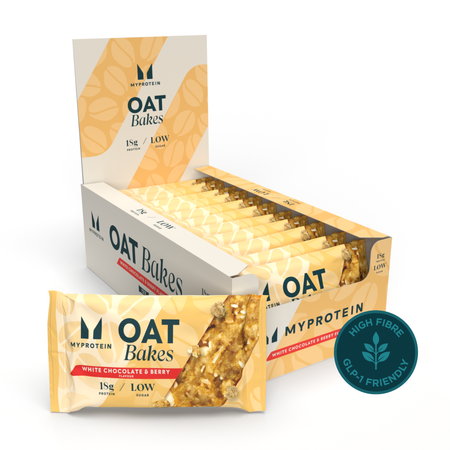
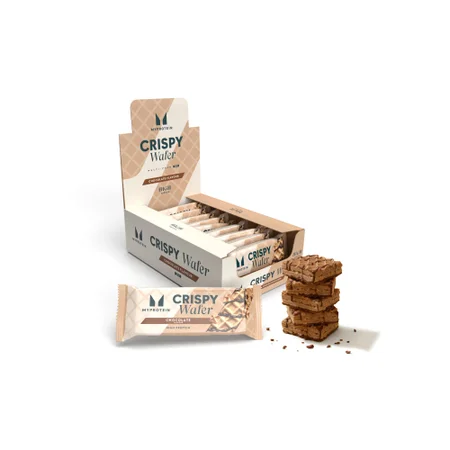
Post-workout is another strategic time, particularly when a full meal isn't immediately convenient. Protein waffles or oatbakes work well here, delivering protein1 alongside carbohydrates. Keep a selection in your desk, car, or gym bag so you've always got options when hunger strikes unexpectedly.
Protein Crisps & Snacks Benefits
Convenient Protein Delivery
Each serving delivers a meaningful protein contribution without preparation time. No mixing, no measuring – just open and eat. This convenience factor means you're more likely to maintain consistent protein intake throughout the day, rather than relying solely on main meals.
Satisfying Snack Alternative
Protein-based snacks provide a different nutritional profile compared to traditional crisps or biscuits. The protein content means you're getting functional nutrition rather than empty calories. Many people find these options more satisfying, making them useful tools when managing overall food intake.
Macro-Friendly Options
When you're tracking macros, protein snacks make the numbers work. They help you reach protein targets without excessive fats or carbs that might throw off your daily balance. This makes them particularly valuable during fat loss phases or when protein requirements are elevated.
Variety Across Formats
From crunchy protein crisps to chewy biltong, soft-baked oatbakes to crispy waffles, there's textural variety to suit different preferences. This range means protein snacking doesn't become monotonous – you can rotate through different options whilst still hitting your nutritional targets.
Popular Picks
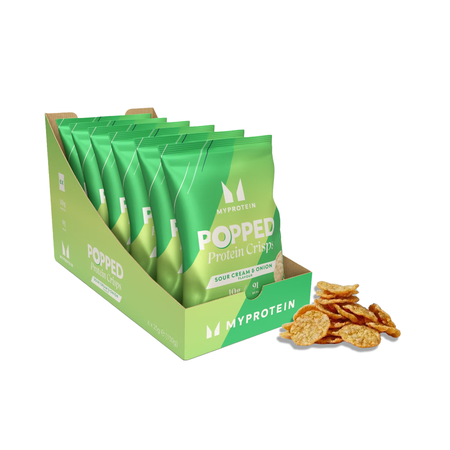
Need something crunchy? Popped Protein Crisps uses pea protein and peanuts to deliver 15g of protein per bar. These vegan-friendly squares offer a nut-forward flavour profile for those avoiding dairy-based protein snacks.
FAQs
What are high protein snacks?
High protein snacks are convenient food products formulated to deliver significant amounts of protein in snack-sized formats. Unlike traditional snacks that typically provide minimal protein, these products contain anywhere from 10-30g of protein per serving, depending on the format. They're designed to bridge nutritional gaps between main meals whilst offering familiar snack textures and flavours.
Protein crisps, biltong, protein bars, waffles, and oatbakes all fall into this category. Each format delivers protein from sources like whey, pea protein, or naturally high-protein whole foods like beef. The key difference from conventional snacks is the intentional protein content, making them functional nutrition rather than just treats.
How do protein crisps differ from regular crisps?
Protein crisps use protein-enriched bases rather than just potatoes or corn. This means they deliver substantially more protein per bag – typically 10-15g compared to the 1-2g you'd find in standard crisps. The production process often involves popping or baking protein-rich ingredients to create that familiar crispy texture.
The macronutrient profile differs significantly too. Whilst regular crisps are predominantly carbohydrates and fats, protein crisps shift the balance towards protein. This makes them more aligned with active nutrition goals, though they maintain the savoury, crunchy experience people want from crisps.
Who develops Myprotein's protein snacks?
Myprotein's expert nutritionists and product development team create all protein snacks in this range. They work to balance nutritional targets with taste and texture, ensuring each product delivers meaningful protein whilst actually being something you'd want to eat. The team tests multiple formulations to find the right combination of ingredients that meet both macro requirements and flavour expectations.
How do I choose between different protein snack formats?
Consider your texture preferences and when you'll be eating them. Protein crisps work well when you're craving something savoury and crunchy, whilst biltong suits those wanting pure, meat-based protein. Waffles and oatbakes offer softer textures that some find more satisfying for mid-morning or afternoon snacking.
Check the protein content relative to serving size too. Biltong typically delivers the highest protein density, whilst crisps and bakes offer lower protein amounts but may feel more substantial. Match the format to your daily protein target – if you need 20-30g between meals, biltong makes sense; for 10-15g top-ups, crisps or waffles work perfectly.
Can protein snacks replace meals?
These products are designed as snacks rather than meal replacements. Whilst they provide protein, most don't contain the full spectrum of nutrients you'd get from a balanced meal. They work best for bridging gaps between proper meals, not substituting for them entirely.
That said, combining formats can create more substantial mini-meals. Pairing protein waffles with fruit, or having biltong alongside nuts and vegetables, builds a more complete nutritional profile. Think of protein snacks as tools for supporting your overall nutrition plan, not as standalone meal solutions.
What makes protein snacks useful for active lifestyles?
The portability factor cannot be overstated. Protein crisps, biltong, and bars travel well without refrigeration, making them genuinely practical for gym bags, work desks, or travel. When you're moving between training sessions, meetings, or other commitments, having shelf-stable protein options prevents reliance on whatever's convenient at the time.
They also remove the friction from hitting protein targets. Rather than needing to prepare chicken, eggs, or shakes throughout the day, you can grab a protein snack and maintain your intake. This consistency often matters more than perfection – having easy protein options means you're more likely to stay on track.
How do vegetarians and vegans approach protein snacks?
Many protein snacks use whey protein, which comes from dairy and suits vegetarians but not vegans. However, options like the Pea-Nut Protein Bar use exclusively plant-based proteins from peas and nuts. Check individual product labels for specific dietary suitability.
Plant-based protein snacks typically combine multiple protein sources to provide a fuller amino acid profile. Pea protein, rice protein, and nut proteins often appear together in vegan-friendly formats. The texture and taste have improved significantly in recent years, making plant-based protein snacks genuinely competitive with dairy-based options.
When during the day do people typically use protein snacks?
Mid-morning (around 10-11am) and mid-afternoon (3-4pm) are the most common times. These periods naturally fall between main meals when hunger builds but your next meal might be hours away. Having a protein snack during these windows helps manage appetite and maintains steady protein intake throughout the day.
Post-workout is another strategic time, particularly for those training during lunch breaks or early evening. A protein waffle or biltong pack provides immediate protein whilst you're traveling home to prepare a proper meal. Some people also use them pre-workout when training sessions fall awkwardly between meals.
What's the protein content range across different formats?
Protein crisps typically deliver 10-15g per bag, providing a moderate protein boost in a familiar crispy format. Protein waffles and oatbakes fall into a similar range at 13-18g per serving. These work well for regular snacking throughout the day without massively impacting your remaining macro allowances.
Biltong sits at the higher end, often providing 30g or more per pack due to its concentrated meat base. Protein bars vary considerably depending on size and formulation, generally ranging from 15-22g. Consider your remaining daily protein target when choosing – if you need substantial protein, biltong makes sense; for smaller top-ups, crisps or waffles fit better.
How do protein snacks fit into macro tracking?
Most protein snacks are designed with macro-conscious consumers in mind. The packaging clearly states protein, carbohydrate, and fat content, making them easy to log accurately. This transparency helps when you're working within specific macro targets and need to know exactly what you're consuming.
The relatively controlled serving sizes also help with tracking consistency. Unlike scooping protein powder where slight variations happen, a packet of protein crisps or a wrapped waffle contains precisely what the label states. This reliability makes daily tracking more accurate and reduces the mental effort of portion estimation.
1. Protein contributes to a growth in muscle mass. Protein contributes to the maintenance of muscle mass.
2. Oat grain fibre contributes to an increase in faecal bulk.