
Dairy Free Protein
7 Results

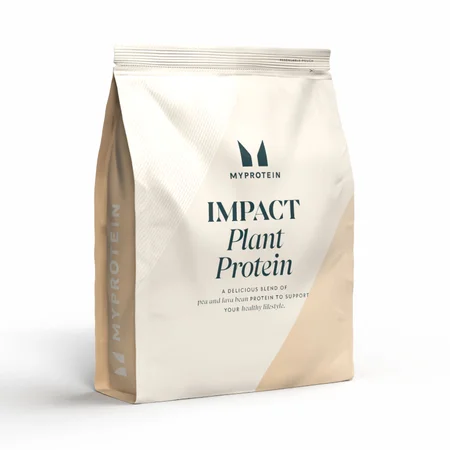
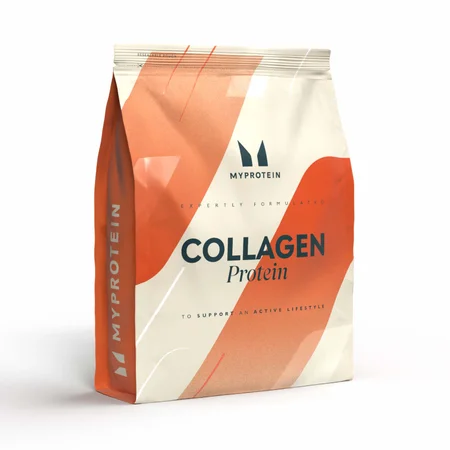
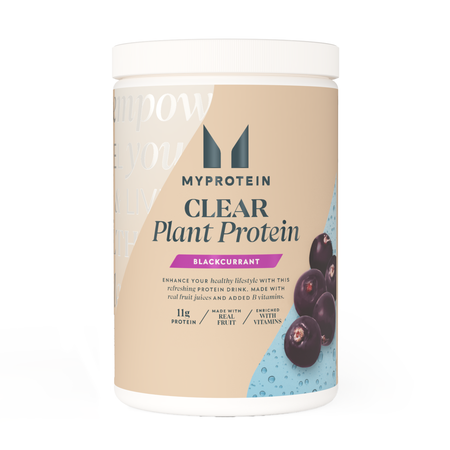
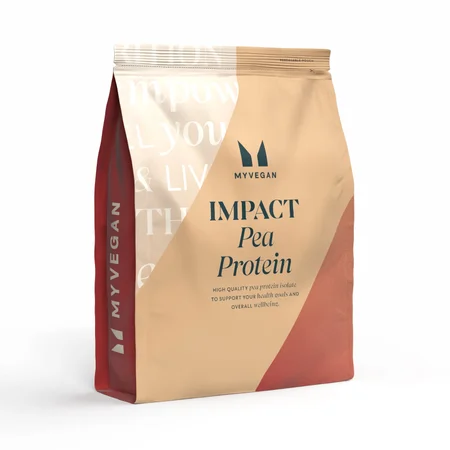
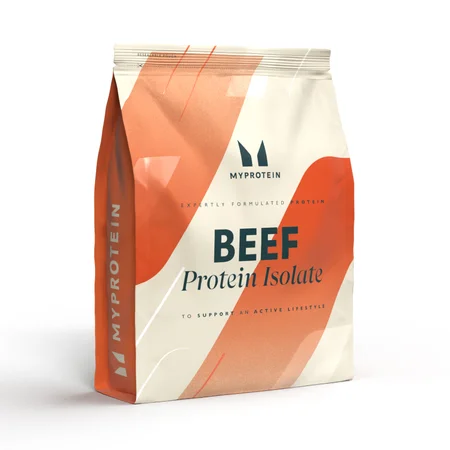
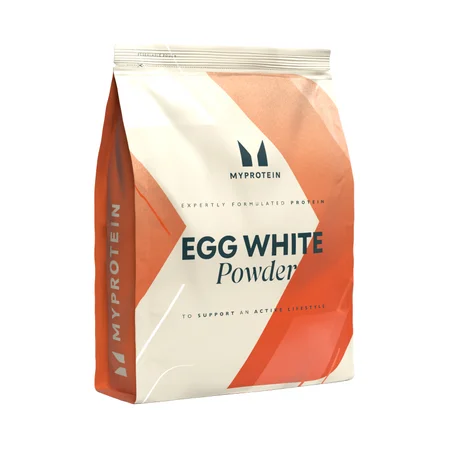
Shop Dairy Free Protein at Myprotein
Whether you're lactose intolerant, avoiding dairy for dietary reasons, or simply looking for plant-based alternatives, dairy free protein powder gives you a clean, effective way to hit your protein targets. From pea and soy to vegan blends and collagen, the range covers every preference and training style — no compromise on quality, just versatile options that work for you.
Myprotein's dairy free protein powders are built to deliver on what matters most: high protein content, great taste, and formats that fit into your routine. Each product in the range is formulated by expert nutritionists, so you're getting a well-considered supplement, not just a dairy-free afterthought. Protein contributes to the growth and maintenance of muscle mass1, making these a practical choice for anyone serious about their training and nutrition.
Who Dairy Free Protein Is For
The most obvious audience is anyone who can't — or won't — consume dairy. That includes people with lactose intolerance, those following a vegan or plant-based diet, and anyone cutting out animal-derived ingredients for ethical or environmental reasons. Lactose free protein powder is often the first thing people search for when they realise their current supplement is causing digestive discomfort, and this range offers a straightforward solution.
Beyond that, dairy free protein is a solid option for anyone who simply wants more variety in their supplement stack. Athletes who already eat plenty of whole food protein sources might prefer a plant-based powder as an alternative to whey. The range also suits people with multiple dietary requirements, since many options here are naturally free from several common allergens alongside dairy.
When to Use Dairy Free Protein
Timing your protein intake around training is one of the most common approaches. Taking a shake post-workout is a practical way to get a fast hit of amino acids when whole food isn't immediately available. Protein contributes to the maintenance of muscle mass1, so getting sufficient protein across the day — including around training — is a priority for anyone lifting or doing endurance work.
Outside of training, dairy free protein powders work just as well as a top-up at any point in the day where your diet falls short. Breakfast smoothies, mid-morning snacks, or an evening shake are all common use cases. The format is flexible enough to work however you need it — mixed with water, blended into oats, or stirred into plant-based milk.
Dairy Free Protein Benefits
Muscle Growth and Maintenance
The core reason most people reach for a protein supplement is muscle — and dairy free options deliver on that front just as effectively as whey. Protein contributes to a growth in muscle mass1 and to the maintenance of muscle mass1, so regardless of the source, consistently hitting your daily protein targets is what counts. Options like Impact Soy Protein and Impact Vegan Protein provide high protein yields per serving to make that straightforward.
Digestive Comfort
For people who experience bloating or discomfort with dairy-based proteins, switching to a lactose free protein powder can make a noticeable difference. Plant-based sources like pea, soy, and rice are naturally free from lactose, meaning they're generally easier to digest for those with sensitivities. That makes them a practical everyday option, not just an occasional alternative.
Versatile Formats for Any Diet
Dairy free protein supplements slot into a wide range of dietary frameworks — vegan, vegetarian, flexitarian, or simply dairy-reduced. The variety in the range means you can match your protein source to your wider nutritional approach. Collagen protein, for example, is derived from non-dairy animal sources, while pea and soy options are entirely plant-based, giving you genuine choice depending on your goals and values.
Bone Health
Protein isn't just about muscle — protein also contributes to the maintenance of normal bones2. That makes adequate protein intake relevant for long-term health as well as performance, and dairy free options ensure that people avoiding dairy don't miss out on this nutritional foundation.
Popular Picks
After a collagen option? Collagen Protein Powder - Made from yellow split peas and delivering over 20g of protein per serving, this is one of the best dairy free protein powder options for those who prefer a straightforward, single-ingredient formula.
FAQs
What is dairy free protein powder?
Dairy free protein powder is a protein supplement made without any milk-derived ingredients. That means no whey, no casein, and no lactose. Sources vary — common options include pea, soy, rice, hemp, and collagen — and each brings a slightly different amino acid profile and texture to the finished product.
What's the difference between lactose free and dairy free protein powder?
Lactose free protein powder has had the lactose removed or broken down, but it may still contain other dairy-derived components like whey or casein proteins. Dairy free protein powder contains no milk-derived ingredients at all, making it the more suitable option for vegans or anyone with a full dairy allergy rather than just a lactose intolerance.
If you're specifically searching for lactose free protein powder to manage digestive discomfort, either category may work. But if you're avoiding dairy entirely, stick to products clearly labelled as dairy free.
Is dairy free protein powder as effective as whey?
Protein's role in the body is consistent regardless of the source — protein contributes to the growth and maintenance of muscle mass1 whether it comes from whey, soy, pea, or any other origin. The key variable is the amino acid profile and how much protein you're getting per serving. Options like soy and blended vegan proteins offer a complete amino acid profile, making them a well-rounded choice for regular use.
What is the best dairy free protein powder for building muscle?
There's no single best answer — it depends on your dietary preferences and how the protein fits into your overall intake. Soy protein isolate is one of the most studied plant-based proteins and provides a complete amino acid profile. Vegan blends combining pea and fava bean are also popular choices. What matters most is consistently hitting your overall daily protein target.
Is pea protein dairy free?
Yes — pea protein is derived from yellow split peas and contains no dairy whatsoever. It's one of the most commonly used dairy free protein powders and is also naturally free from gluten and soy, making it a versatile option for people navigating multiple dietary requirements. Impact Pea Protein delivers over 20g of protein per serving from this single plant-based source.
Can I use dairy free protein powder if I'm not vegan?
Absolutely. Dairy free protein powders aren't exclusively for vegans — they're used by anyone who prefers to avoid dairy for any reason, including digestive comfort, dietary variety, or personal preference. Collagen Protein Powder, for example, is dairy free but derived from animal sources, making it suitable for non-vegans who still want to skip the milk-based options.
When should I take dairy free protein powder?
Dairy free protein powder can be used at any point in the day where you need a convenient protein top-up. Post-training is a popular time, but it works equally well at breakfast, as a mid-morning snack, or in the evening. The most important factor is total daily protein intake, so use it wherever it fits your routine most naturally.
Who developed Myprotein's dairy free protein supplements?
All products in the Myprotein dairy free protein range are developed by Myprotein's expert nutritionists. Each formula is designed to deliver a meaningful protein content per serving, using quality-sourced ingredients that meet the standards expected from a leading sports nutrition brand.
How do I choose between different dairy free protein powders?
Start with your dietary requirements — if you're vegan, you'll want to rule out collagen-based options. From there, consider protein content per serving, flavour preferences, and texture. Those who find traditional thick shakes too heavy might prefer Clear Vegan Protein's lighter, juice-style format. Single-ingredient options like Impact Pea Protein suit those who prefer simplicity, while blended options like Impact Vegan Protein offer a broader amino acid spread in one product.
Are dairy free protein powders suitable for everyday use?
Yes. Dairy free protein powders are designed as everyday supplements, not occasional additions. They're a practical and straightforward way to ensure your daily protein intake stays consistent — whether you're in a heavy training phase or simply managing your nutrition on a normal day. Protein contributes to the maintenance of muscle mass1, so regular intake is what makes the difference over time.
1. Protein contributes to a growth in muscle mass. Protein contributes to the maintenance of muscle mass.
2. Protein contributes to the maintenance of normal bones.