Vitamins & Minerals
Vitamins and minerals are an important part of your diet. However, reaching your daily requirements through diet alone can be difficult, which is why our range of supplements can be a great solution. Check them out below.
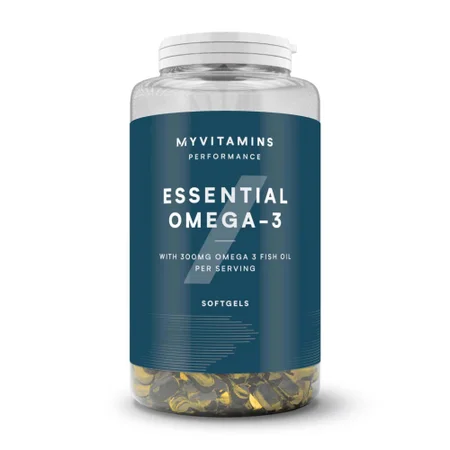

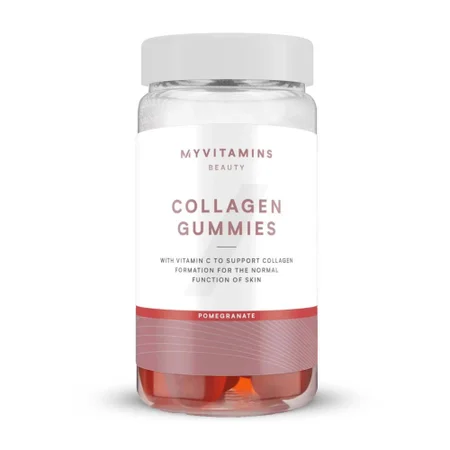


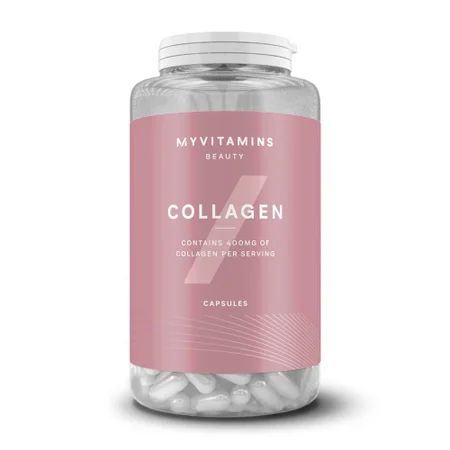

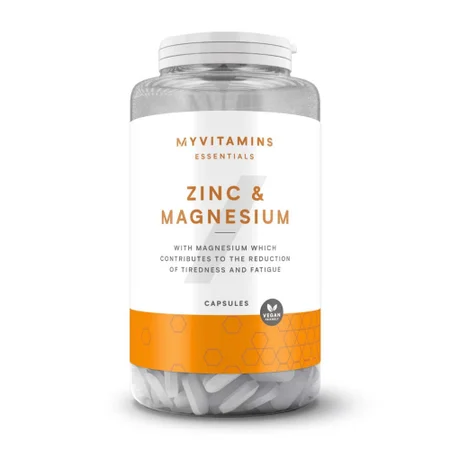
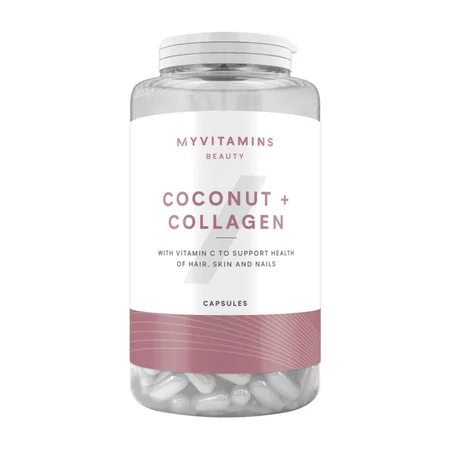

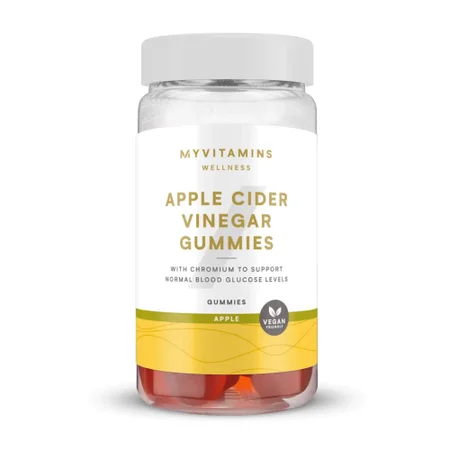
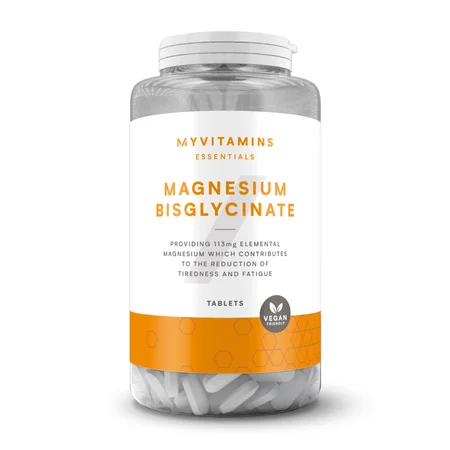
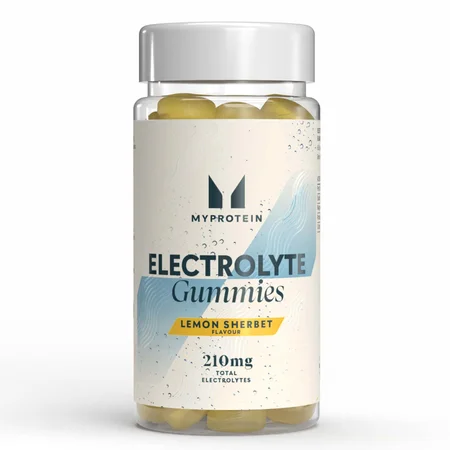
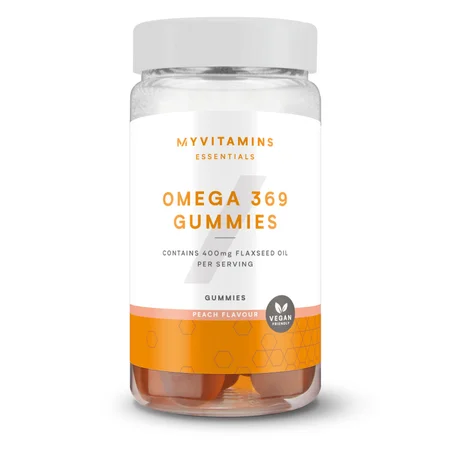
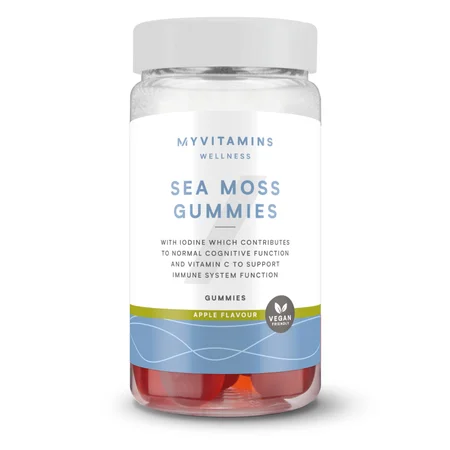


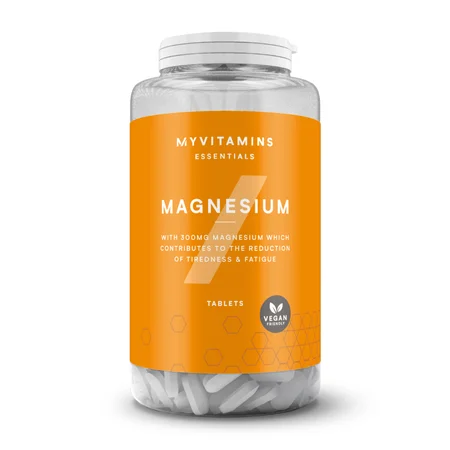
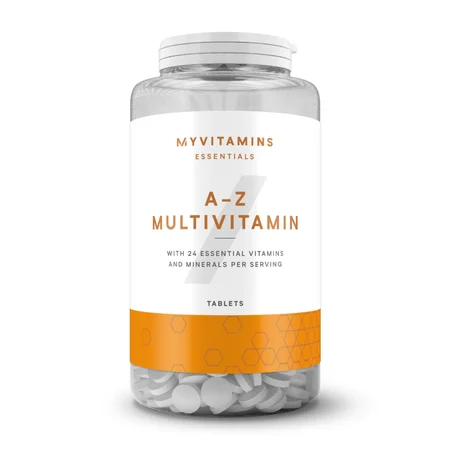
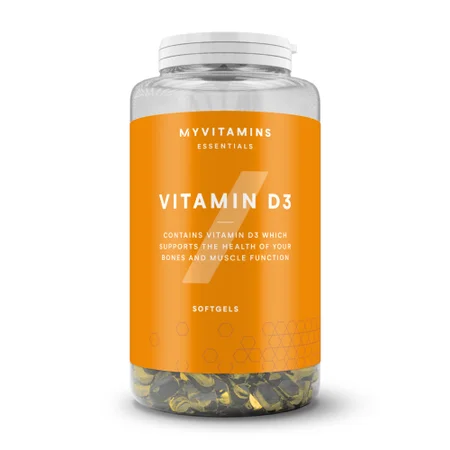
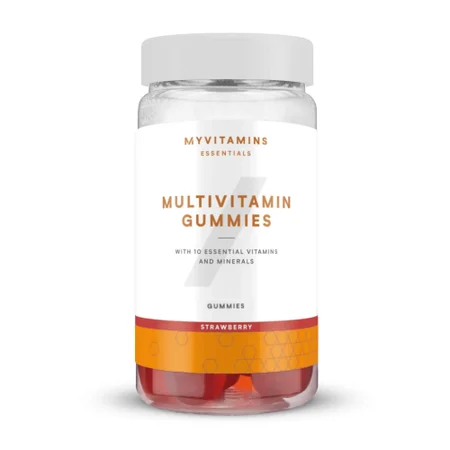
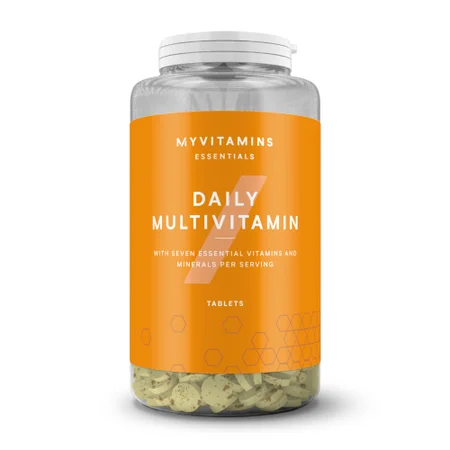
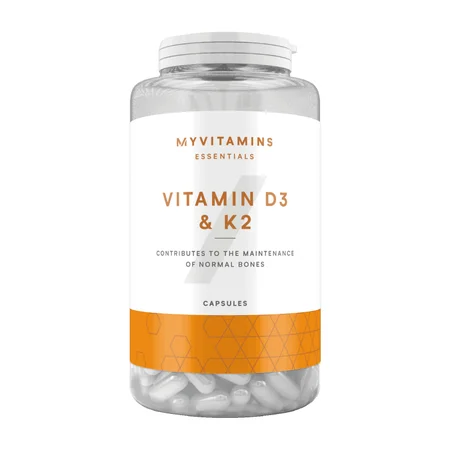
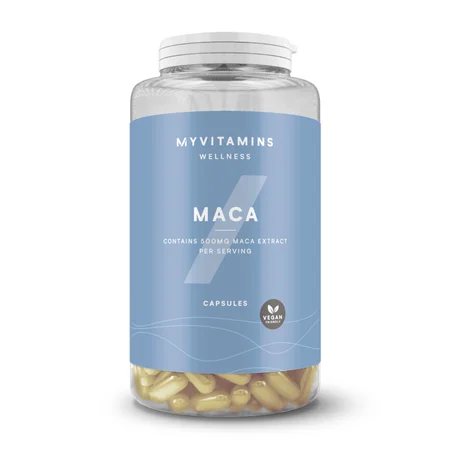
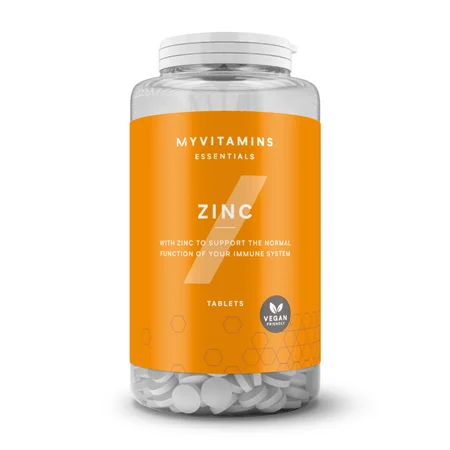
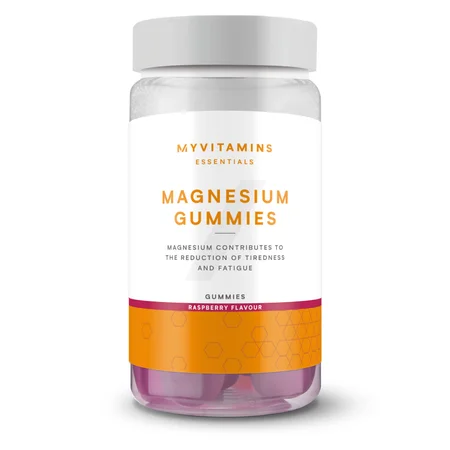
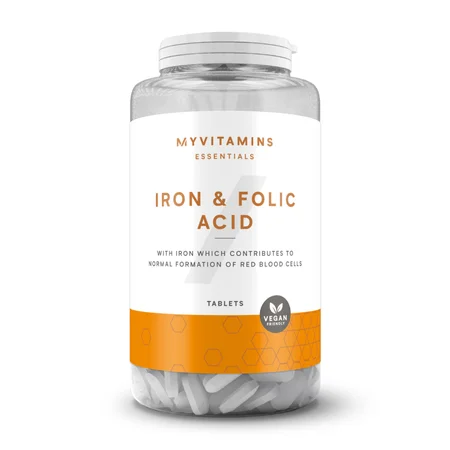
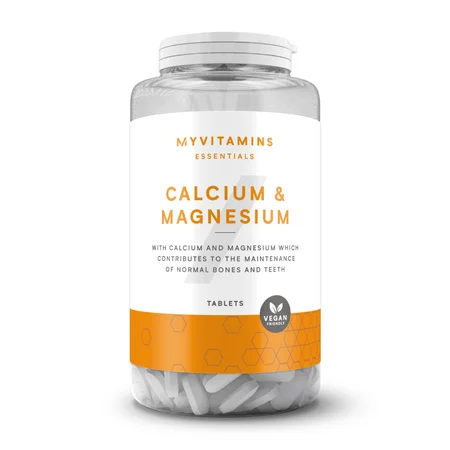
Shop Vitamins & Minerals at Myprotein
Getting the right vitamins and minerals into your diet isn't always straightforward. Even with the best intentions, gaps can appear. Training hard, managing stress, changing seasons - they all place different demands on your body. That's where a targeted supplement routine makes sense.
The range includes everything from single-nutrient formulas to comprehensive multivitamin blends. Each product is developed by Myprotein's expert nutritionists to deliver precise amounts of key nutrients. Whether you're looking for vitamin D in winter months, omega-3 fatty acids, or a convenient daily multivitamin, there's a format to fit your routine.
Who These Are For
Anyone looking to support their nutritional intake will find something useful here. Athletes often have higher requirements for certain nutrients due to training demands. Meanwhile, those following plant-based diets might focus on B12, iron, or omega-3s that can be harder to source from food alone.
Busy schedules make consistent nutrition challenging. Tablets and capsules offer a straightforward solution when meals are rushed or unbalanced. From gym-goers stacking creatine and vitamin D to professionals wanting comprehensive multivitamin coverage, these products fit different lifestyles and goals.
When to Use Vitamins & Minerals
Timing depends on the specific nutrient. Fat-soluble vitamins like A, D, E, and K work best alongside meals containing some dietary fat. Water-soluble vitamins such as B-complex and C can be taken any time, though spreading them throughout the day often makes sense for optimal absorption.
Many people prefer taking multivitamins with breakfast to establish a consistent routine. Omega-3 capsules also go down easily with food. Creatine can be added to your pre or post-workout shake, or simply taken at any point during the day since it works through consistent daily intake rather than acute timing.
Vitamins & Minerals Benefits
Supporting Normal Body Functions
Vitamins and minerals play essential roles across countless bodily processes. Vitamin D contributes to the normal function of the immune system and the maintenance of normal bones and muscle function1,2,3. Vitamin C contributes to the normal function of the immune system and the reduction of tiredness and fatigue4,5. B vitamins including B6 and B12 contribute to normal energy-yielding metabolism and the reduction of tiredness and fatigue6,7.
Filling Nutritional Gaps
Even balanced diets can fall short in certain areas. Winter months mean less sunlight for natural vitamin D production. Intense training increases demands for specific nutrients. A well-chosen supplement provides consistent levels of key vitamins and minerals without the guesswork of tracking every meal.
Convenient Formats
Tablets, capsules, gummies, and powders give you flexibility. Prefer swallowing a tablet with your morning coffee? Sorted. Want to chew a gummy on the go? Done. Need to mix powder into your shake? Easy. The format doesn't change what's inside, just how you get it into your routine.
Precise Dosing
Each product delivers a measured amount of nutrients. No estimating, no guessing portions. You know exactly what you're getting with every serving, making it simple to track your intake and adjust as needed.
Popular Picks
Need a performance edge? Creatine Monohydrate Tablets - Creatine increases physical performance in successive bursts of short-term, high intensity exercise8. These tablets deliver 3g per serving in a convenient format that skips the mixing and measuring.
Prefer something you can chew? Creatine Gummies - Same creatine monohydrate, different delivery. Each gummy provides a precise dose in a format that's easy to take anywhere, whether you're at the gym, office, or travelling.
Looking for omega-3 fatty acids? Essential Omega-3 - These softgels provide EPA and DHA from fish oil. A straightforward way to add omega-3s to your daily routine when oily fish isn't a regular feature in your meals.
After comprehensive coverage? Multivitamins for Men - This blend combines essential vitamins and minerals in one daily tablet. Formulated specifically for men's nutritional requirements, it takes the complexity out of supplementation with a single-product solution.
FAQs
What are vitamins and minerals?
Vitamins and minerals are essential nutrients your body needs in small amounts to function properly. Vitamins are organic compounds found in food, while minerals are inorganic elements from soil and water. They're involved in everything from bone structure to immune function, though your body can't produce most of them in sufficient quantities.
Supplements provide concentrated doses of these nutrients in tablet, capsule, powder, or gummy form. They're designed to complement your diet when food intake alone doesn't meet your requirements.
How do vitamins differ from minerals?
The main difference is their chemical structure. Vitamins are organic, meaning they contain carbon and can be broken down by heat, air, or acid. This makes them more fragile during food storage and cooking. They're categorised as either fat-soluble (A, D, E, K) or water-soluble (B-complex, C).
Minerals are inorganic elements that maintain their chemical structure. Heat and cooking don't destroy them, though they can leach into cooking water. Examples include calcium, magnesium, zinc, and iron. Your body uses them for bone structure, fluid balance, and countless enzymatic reactions.
Which vitamins and minerals do I need?
That depends on your diet, lifestyle, and goals. Most people benefit from vitamin D, especially during winter months when sunlight exposure drops. Those training intensively might focus on nutrients like vitamin C, which contributes to the normal function of the immune system4, or vitamin B12, which contributes to the reduction of tiredness and fatigue7.
Plant-based eaters often supplement B12, iron, and omega-3s since these are harder to obtain from non-animal sources. A comprehensive multivitamin covers the basics if you want broad-spectrum support without taking multiple individual products.
Can I take multiple vitamin and mineral supplements together?
Yes, though it's worth checking total amounts across products to avoid unnecessary duplication. If you're taking a multivitamin plus individual supplements like vitamin D or omega-3, read the labels to understand what you're getting from each source.
Some nutrients work synergistically - vitamin C increases iron absorption9, for example. Fat-soluble vitamins are best absorbed when taken with food containing some dietary fat. Spacing out certain minerals like calcium and iron can help with absorption since they can compete for uptake.
What's the difference between tablets, capsules, and gummies?
It's mainly about format and personal preference. Tablets are compressed powders that can pack in higher doses and often have longer shelf lives. Capsules use a gelatine or vegetarian shell around powder or liquid, which some people find easier to swallow. Gummies offer a chewable option with added flavouring.
Powders give you flexible dosing and mix easily into shakes or water. None is inherently better - choose based on convenience, texture preference, and how the product fits your routine.
When should I take fat-soluble versus water-soluble vitamins?
Fat-soluble vitamins (A, D, E, K) absorb best when consumed with dietary fat, so take them alongside meals that contain some oil, nuts, avocado, or similar sources. Your body stores these in liver and fatty tissues, meaning you don't need them every single day for levels to remain stable.
Water-soluble vitamins (B-complex, C) dissolve in water and aren't stored long-term. Taking them with or without food generally works fine, though some people prefer spreading B vitamins throughout the day. Any excess typically passes through urine rather than building up in tissues.
What makes creatine different from vitamins?
Creatine isn't a vitamin or mineral - it's a compound your body produces naturally and also obtains from meat and fish. Unlike vitamins, which are essential nutrients you must get from external sources, your liver and kidneys make creatine from amino acids. Supplementing adds to your body's existing stores.
Creatine increases physical performance in successive bursts of short-term, high intensity exercise8. It works through consistent daily intake rather than acute timing, so you can take it whenever suits your routine.
How do omega-3 supplements fit into a vitamin routine?
Omega-3s are essential fatty acids rather than vitamins or minerals, though they're often grouped together in supplement routines. EPA and DHA are specific types of omega-3 found primarily in oily fish. If fish isn't a regular part of your diet, supplements provide a concentrated source.
Take them with meals for better absorption. They come in softgel capsules containing fish oil or algae oil for plant-based options. Many people combine omega-3s with a daily multivitamin for comprehensive nutritional support.
Who developed these vitamin and mineral products?
Myprotein's expert nutritionists formulate the entire range. They select ingredients, determine dosages, and create blends based on nutritional science and customer needs. Each product goes through quality testing to ensure it delivers what's stated on the label.
The team works to provide options across different formats, from single-nutrient formulas to comprehensive multivitamins, so you can build a supplement routine that matches your specific requirements.
How do multivitamins compare to taking individual supplements?
Multivitamins offer convenience - one tablet covers a broad range of nutrients without juggling multiple bottles. They're designed to provide balanced amounts of various vitamins and minerals in a single dose, which simplifies your routine and often costs less than buying each nutrient separately.
Individual supplements let you target specific needs with higher doses of particular nutrients. Someone deficient in vitamin D or needing extra vitamin C might prefer standalone products alongside a basic multivitamin. The choice depends on whether you want comprehensive coverage or focused supplementation.
1. Vitamin D contributes to the normal function of the immune system.
2. Vitamin D contributes to the maintenance of normal bones.
3. Vitamin D contributes to the maintenance of normal muscle function.
4. Vitamin C contributes to the normal function of the immune system.
5. Vitamin C contributes to the reduction of tiredness and fatigue.
6. Vitamin B6 contributes to normal energy-yielding metabolism.
7. Vitamin B12 contributes to the reduction of tiredness and fatigue.
8. Creatine increases physical performance in successive bursts of short-term, high intensity exercise.
9. Vitamin C increases iron absorption.