Shop Vegan Protein Powder at Myprotein
Plant-based eating doesn't mean compromising on your protein intake. Whether you're fully vegan, reducing animal products, or simply exploring alternatives, vegan protein powders deliver the amino acids your body needs from entirely plant-based sources.
From pea and brown rice blends to soy isolates, each formula offers a different amino acid profile and taste experience. Finding the right one means matching your nutritional goals with the texture and flavour you'll actually enjoy mixing into your daily routine.
Who Vegan Protein Powders Are For
These powders work for anyone following a plant-based diet, whether that's for ethical reasons, environmental concerns, or digestive comfort. They're equally valuable for athletes who've noticed dairy doesn't sit well during training, or anyone looking to diversify their protein sources beyond animal products.
Strength athletes, endurance runners, and casual gym-goers all use vegan protein to hit their daily targets. The key is choosing a formula with a complete amino acid profile that matches your training demands and taste preferences.
When to Use Vegan Protein Powder
Post-workout remains the most popular time, mixed with water or plant milk within an hour of finishing your session. That said, vegan protein works just as well first thing in the morning to kickstart your day, or between meals when you need a protein-rich snack that won't weigh you down.
Many people blend it into smoothies with fruit and oats for breakfast, or simply shake it with water for a quick fix. The timing matters less than consistency, so find the moment in your routine where you'll actually remember to take it.
Vegan Protein Powder Benefits
Complete Protein from Plants
Quality vegan blends combine complementary plant sources like pea, brown rice, and hemp to deliver all nine essential amino acids. Protein contributes to the growth and maintenance of muscle mass1, making these formulas just as effective as whey for building and preserving lean tissue.
Easier on Digestion
Plant proteins typically contain less lactose and fewer dairy allergens than whey, which means less bloating and discomfort for those with sensitive stomachs. Soy and pea proteins digest smoothly, giving you the nutrition without the digestive aftermath that dairy can sometimes bring.
Flexible and Versatile
Beyond shakes, vegan protein blends seamlessly into pancakes, energy balls, and baked goods without altering texture as dramatically as some dairy powders. The neutral taste of many plant blends makes them kitchen-friendly for both sweet and savoury recipes.
Sustainable Protein Source
Plant-based proteins generally require fewer resources to produce than animal-derived options. Choosing vegan protein means reducing your environmental footprint whilst still meeting your nutritional needs through high-quality amino acid sources.
Popular Picks
Want a premium blend with added superfoods? Plant Protein Superblend combines pea, brown rice, and hemp proteins with spirulina and chlorella for a nutrient-dense formula that goes beyond basic amino acids.
Looking for something with character? Plant Protein Superblend � MARVEL � Groot � Cinnamon Bark delivers the same superfood-enhanced blend with warming cinnamon flavour in limited-edition MARVEL packaging.
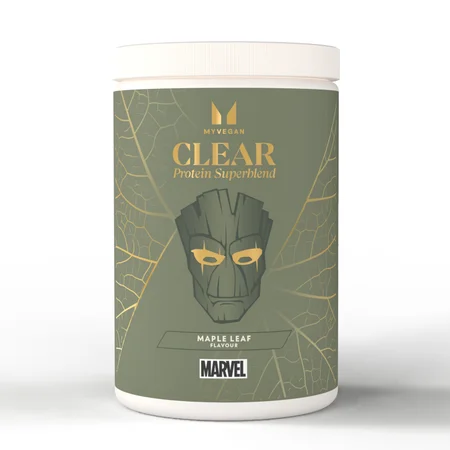
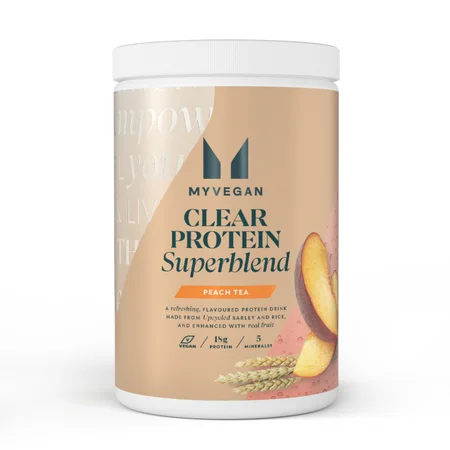
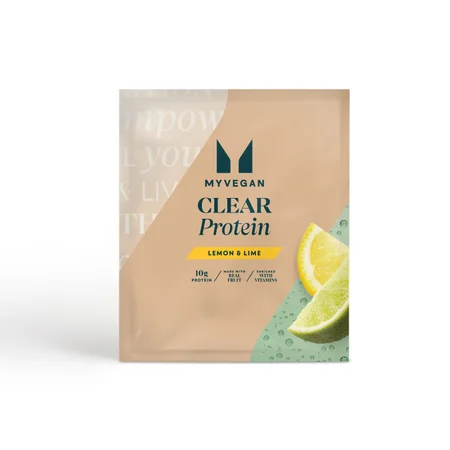
Prefer a lighter, juice-like texture? Clear Protein Superblend � Groot � Maple Leaf offers refreshing clarity instead of creamy thickness, with pea protein isolate that mixes transparent for a completely different drinking experience.
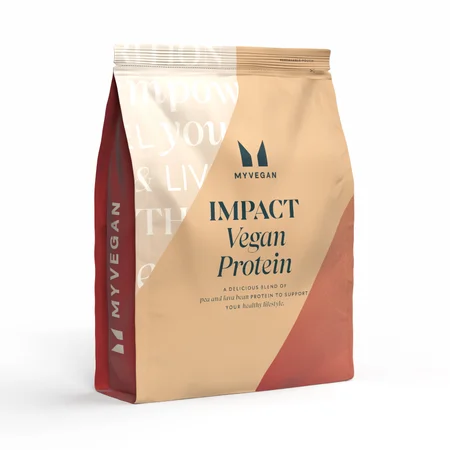
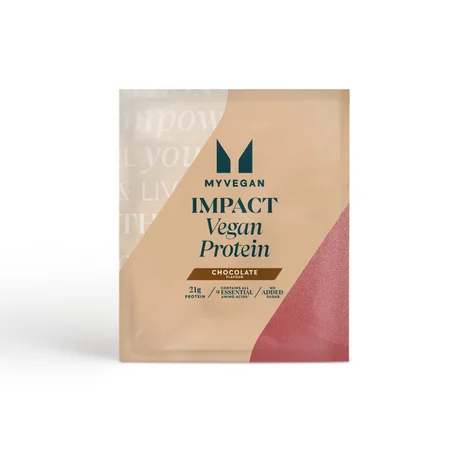
After straightforward value? Impact Vegan Protein provides a solid pea and fava bean blend at an accessible price point, delivering over 20g of protein per serving without the superfood extras.
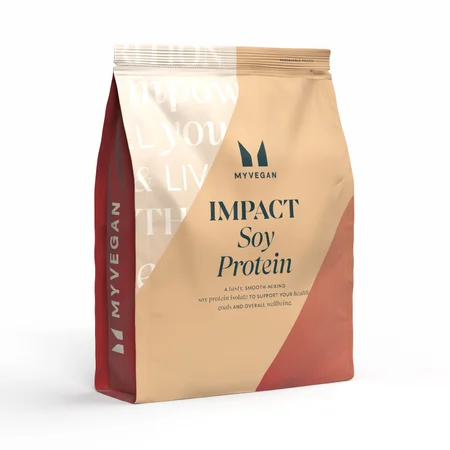
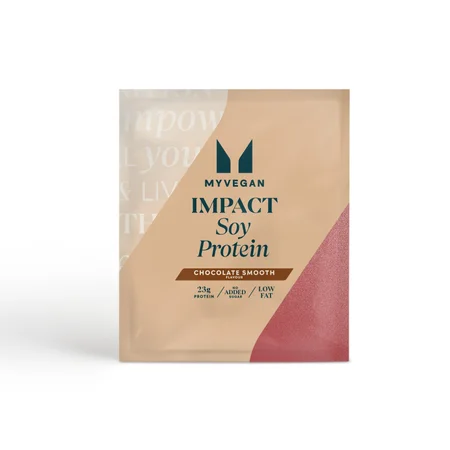
Need a single-source option? Impact Soy Protein focuses purely on soy isolate for those who prefer a well-researched, complete plant protein with a naturally smooth texture.
FAQs
What is vegan protein powder?
Vegan protein powder is a supplement made entirely from plant-based sources like peas, brown rice, soy, hemp, or combinations of these. Unlike whey or casein, which come from dairy, vegan proteins extract amino acids from plants through processes like isolation and concentration.
These powders provide the same essential amino acids your body needs for tissue maintenance and growth, just from botanical rather than animal origins. Quality formulas blend multiple plant sources to create complete amino acid profiles.
Who develops Myprotein's vegan protein formulas?
Myprotein's expert nutritionists develop all vegan protein formulas, working with food scientists to optimise amino acid profiles, texture, and taste. Each product goes through rigorous testing to ensure it meets quality standards and delivers the nutrition claimed on the label.
How does vegan protein compare to whey protein?
Both vegan and whey proteins contribute to muscle mass maintenance and growth1 when consumed as part of a balanced diet. Whey digests slightly faster and naturally contains all essential amino acids, whilst quality vegan blends achieve complete profiles by combining complementary plant sources.
The choice often comes down to dietary preferences, digestion comfort, and taste. Some people find plant proteins gentler on their stomach, whilst others prefer the texture and mixability of whey.
Which vegan protein powder should I choose?
Start with your primary goal. If you want maximum nutritional density, superfood-enhanced blends add spirulina and other plant extracts. For straightforward protein without extras, single-source soy or simple pea-rice blends work perfectly well.
Texture matters too. Traditional blends create creamy shakes similar to dairy proteins, whilst clear versions mix transparent like juice. Taste preference will ultimately determine what you'll use consistently, so don't hesitate to try different flavours.
How much vegan protein powder should I take daily?
Most people use one to three servings daily, depending on their overall protein intake from food. Athletes and those training intensively might need more, whilst someone with a protein-rich plant-based diet might only supplement once per day.
Calculate your total daily protein needs based on your body weight and activity level, then fill the gaps with powder where whole foods don't cover your requirements. There's no universal dosage that suits everyone.
Can I use vegan protein powder for baking and cooking?
Absolutely. Vegan protein blends work well in pancakes, muffins, energy balls, and even savoury dishes like veggie burgers. The neutral taste of unflavoured versions makes them particularly versatile for recipes where you don't want added sweetness.
Keep in mind that baking alters protein structure through heat, so you're still getting the amino acids even if the texture changes. Start by replacing a quarter of the flour in recipes and adjust from there.
What makes a complete vegan protein?
A complete protein contains all nine essential amino acids your body cannot produce on its own. Soy and quinoa naturally provide complete profiles, whilst pea, rice, and hemp proteins each lack certain aminos in optimal amounts.
That's why many vegan formulas blend multiple sources. Pea protein's lysine pairs well with rice protein's methionine, creating a complete profile when combined. Check the label to see whether you're getting a single source or strategic blend.
Do vegan protein powders mix as well as whey?
Modern vegan proteins mix far better than earlier formulas, though texture varies between sources. Pea isolates generally create smooth shakes, whilst some rice proteins can feel slightly grittier. Soy isolate mixes particularly well with a creamy consistency similar to dairy proteins.
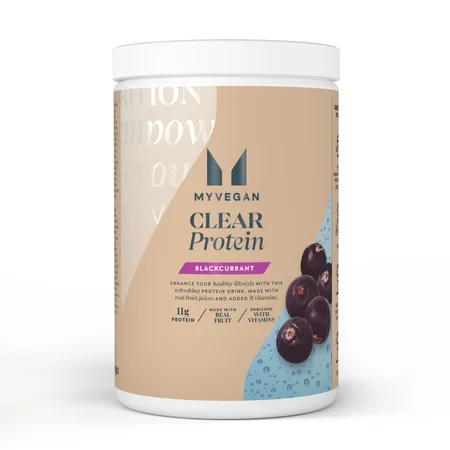
Using a blender or shaker bottle with a mixing ball helps. Clear vegan proteins dissolve completely transparent, offering an entirely different experience from traditional creamy shakes.
Are Myprotein's vegan proteins tested for quality?
Many Myprotein vegan formulas carry Informed Sport or Informed Protein certification, meaning they're batch-tested for banned substances. This third-party verification ensures what's on the label matches what's in the tub, with no contamination from prohibited ingredients.
These certifications matter particularly for competitive athletes subject to anti-doping regulations, but they also provide peace of mind for anyone wanting verified quality and transparency.
What's the difference between protein isolate and protein concentrate?
Isolates undergo additional processing to remove more carbohydrates, fats, and other non-protein components, resulting in higher protein percentages per serving�usually 85-90% protein by weight. Concentrates contain roughly 70-80% protein, with the remainder being naturally occurring carbs and fats from the source plant.
Isolates cost more to produce but deliver more protein per scoop with fewer calories. Concentrates offer better value whilst retaining more of the whole food matrix. Neither is inherently superior�it depends on your nutritional priorities and budget.
1. Protein contributes to the growth and maintenance of muscle mass.