Fibre Supplements & Essential Fats
Check out our huge range of fibre and fatty acid supplements, which are both a really important part of any balanced diet.

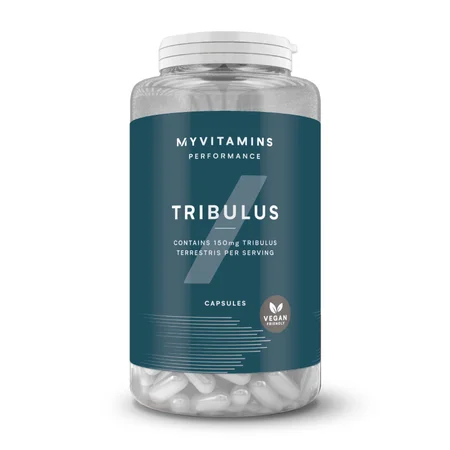
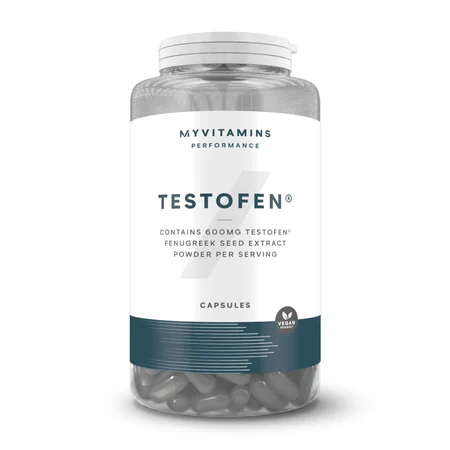
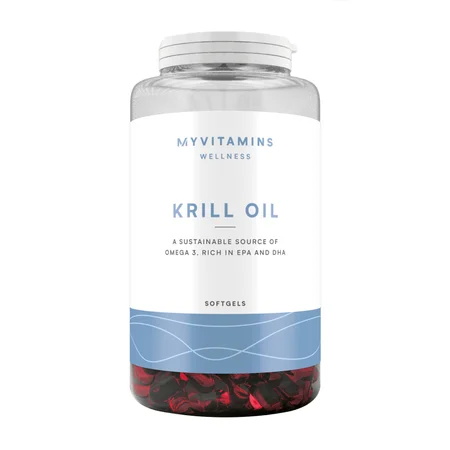
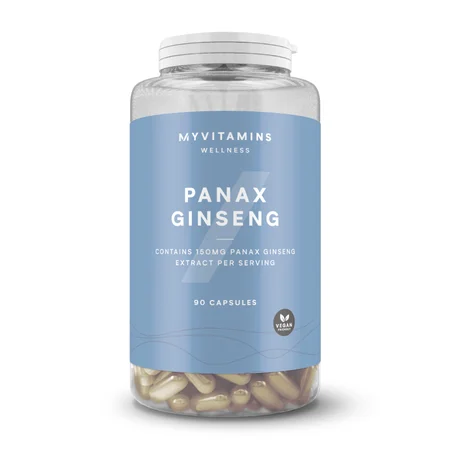
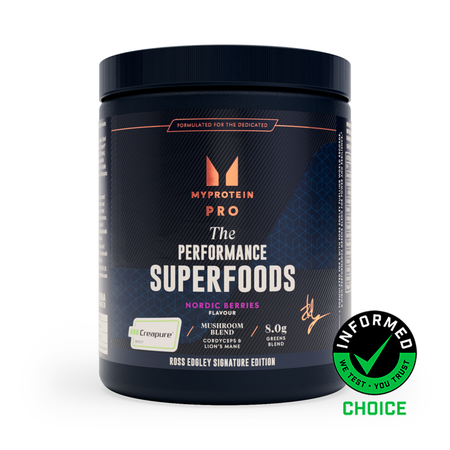
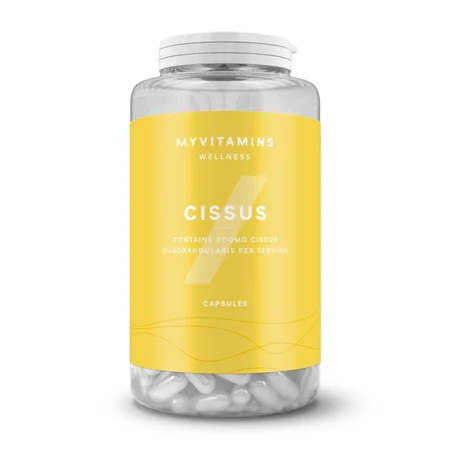
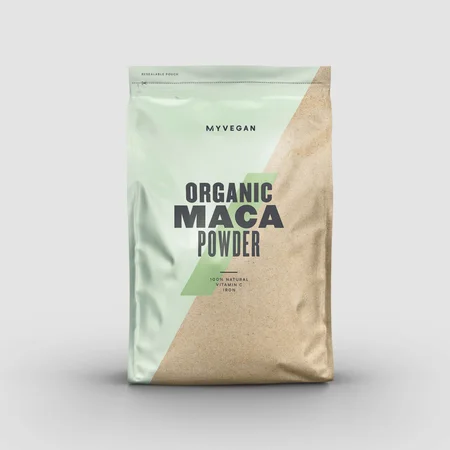
Shop Fibre Supplements & Essential Fats at Myprotein
Your nutrition doesn't stop at protein shakes and pre-workout. Getting enough fibre and the right balance of essential fats plays a fundamental role in your overall nutrition strategy, yet they're often the first things to slip when you're focused on hitting calorie or protein targets.
Fibre supplements offer a practical way to reach recommended daily intake levels, while omega-3 and omega-6 fatty acids provide the essential fats your body can't produce on its own. From psyllium husk powders and oat fibre to concentrated fish oils and plant-based alternatives, this range gives you flexibility to fill nutritional gaps without overhauling your entire diet.
Who These Are For
Anyone tracking their nutrition closely will recognise the challenge of balancing macros whilst maintaining adequate fibre intake. Athletes and gym-goers often find themselves prioritising protein-rich foods that don't always deliver the 30g of daily fibre most nutritionists recommend.
These supplements suit people following structured meal plans, those with dietary restrictions that limit omega-3 sources, and anyone who struggles to incorporate fatty fish or diverse plant foods into their weekly rotation. Whether you're managing a calorie deficit, eating on the go, or simply want to ensure your nutritional bases are covered, targeted supplementation offers a straightforward solution.
When to Use Fibre Supplements & Essential Fats
Timing matters less with these supplements than with performance-focused products. Most people take fibre supplements with or between meals, choosing times that work best for their digestive routine. Just make sure you're drinking plenty of water alongside any fibre product.
Essential fatty acids work well taken with food, which can enhance absorption of fat-soluble nutrients. Many people split their omega intake across the day, taking one dose with breakfast and another with dinner. The key is consistency rather than precise timing, so find a routine that you'll actually stick to long-term.
Fibre Supplements & Essential Fats Benefits
Meeting Daily Fibre Targets
Wheat bran fibre contributes to an acceleration of intestinal transit1, whilst oat grain fibre contributes to an increase in faecal bulk2. Psyllium husk and other fibre supplements provide concentrated doses that help you reach the 30g daily recommendation without dramatically increasing food volume.
Essential Fatty Acid Coverage
Omega-3 and omega-6 fatty acids are termed "essential" because your body cannot synthesise them. Fish oil, algae oil, and plant-based sources deliver EPA, DHA, and ALA in concentrated forms, making it straightforward to meet requirements that might otherwise demand multiple servings of fatty fish weekly.
Supporting Overall Nutrition Goals
Reducing consumption of saturated fat contributes to the maintenance of normal blood cholesterol levels3. Oat beta-glucan has been shown to lower blood cholesterol, and high cholesterol is a risk factor in the development of coronary heart disease4. These supplements complement a balanced diet rather than replacing whole foods.
Flexible, Convenient Formats
Powders mix into shakes and smoothies, softgels travel easily, and tablets require no preparation. The variety of formats means you can choose what actually fits into your lifestyle, whether that's adding fibre to your morning oats or keeping omega capsules in your gym bag.
Popular Picks
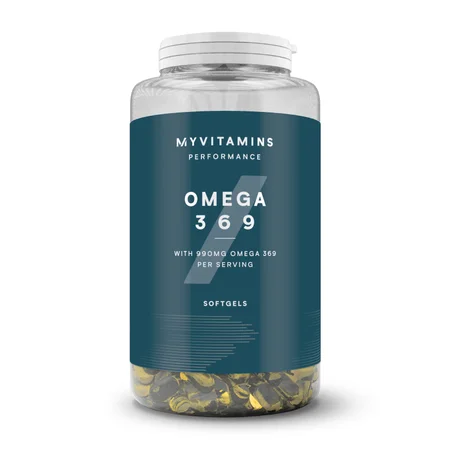
Need comprehensive coverage? Omega 3-6-9 Softgels combine EPA, DHA, and omega-6 in one convenient softgel, delivering a balanced spectrum of essential fatty acids without the need to juggle multiple supplements.
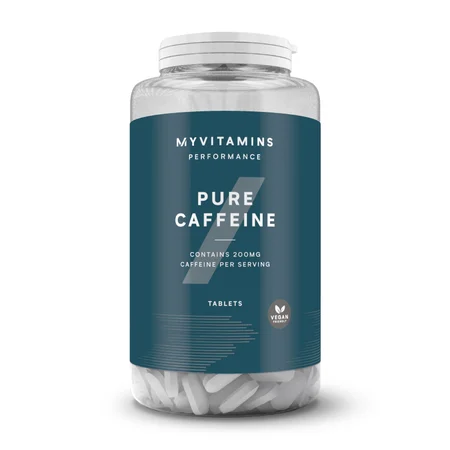
Looking for targeted focus? Pure Caffeine Tablets provide 200mg of caffeine per tablet in a portable format that's easy to dose and time around your training schedule.
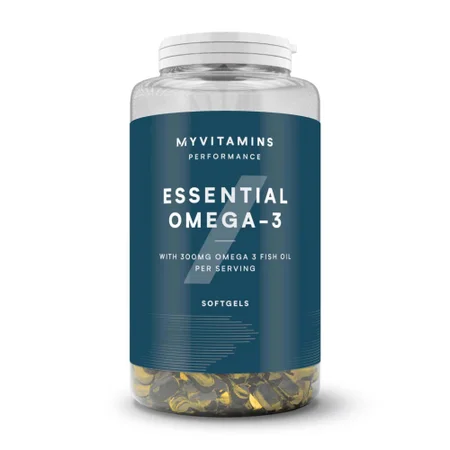
Want concentrated omega-3? Essential Omega-3 delivers EPA and DHA from high-quality fish oil in softgel form, providing the specific fatty acids most commonly lacking in Western diets.
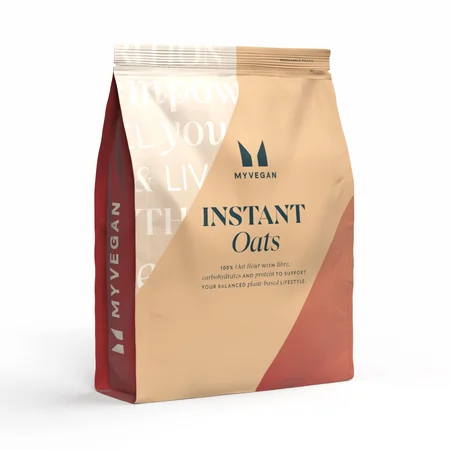
After a natural fibre source? 100% Instant Oats mix instantly into shakes and provide oat grain fibre alongside slow-releasing carbohydrates, making them useful both as a fibre supplement and carbohydrate source.
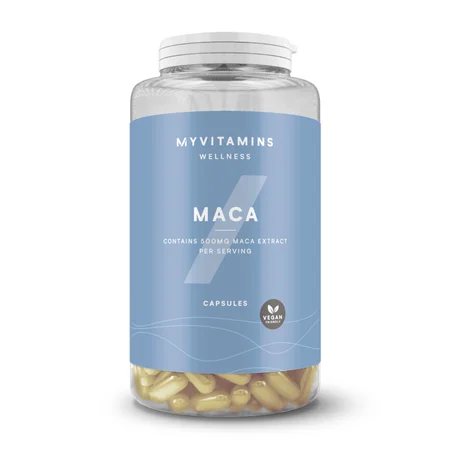
Interested in plant-based options? Maca Capsules offer a whole-food supplement derived from Peruvian maca root, available in convenient capsule form for consistent daily intake.
FAQs
What are fibre supplements and essential fats?
Fibre supplements provide concentrated sources of dietary fibre, typically derived from psyllium husk, oat bran, wheat bran, or other plant materials. Essential fats refer to omega-3 and omega-6 fatty acids that your body cannot synthesise independently, requiring dietary intake from fish oil, algae, flaxseed, or similar sources.
These supplements exist to help bridge nutritional gaps when whole food intake doesn't meet recommended levels. They're not replacements for a balanced diet, but practical tools for hitting specific nutritional targets.
How do fibre supplements differ from essential fat supplements?
Fibre supplements focus on meeting daily fibre recommendations, typically 30g per day, and include both soluble and insoluble fibre types. Essential fat supplements deliver omega-3 and omega-6 fatty acids in concentrated forms, measured in milligrams of EPA, DHA, or ALA rather than grams of total fat.
The key difference lies in their nutritional purpose. Fibre passes through your digestive system largely undigested, whilst essential fats are absorbed and incorporated into cell membranes and other structures throughout your body.
Which fibre supplement should I choose?
Psyllium husk offers high soluble fibre content and mixes easily into liquids. Oat bran and wheat bran provide different fibre profiles, with wheat bran fibre contributing to an acceleration of intestinal transit1. Your choice depends on your specific fibre needs and how the supplement fits into your daily routine.
Consider format as well. Powders blend into shakes and porridge, whilst capsules travel easily and require no mixing. Start with whichever format you'll actually use consistently.
What's the difference between omega-3, omega-6, and omega-9?
Omega-3 and omega-6 are essential fatty acids your body cannot produce, requiring dietary sources. EPA and DHA are omega-3s predominantly found in fish oil, whilst ALA comes from plant sources like flaxseed. Omega-6 includes linoleic acid, common in vegetable oils and nuts.
Omega-9 fatty acids are non-essential, meaning your body can synthesise them. Combined supplements offer all three types, though omega-3 intake typically receives more focus in Western diets where omega-6 is already abundant.
How much fibre and essential fats do I need daily?
Most nutrition guidelines recommend around 30g of fibre daily for adults, though many people consume significantly less. Essential fatty acid requirements vary, but general recommendations suggest 250-500mg of combined EPA and DHA for adults, with higher amounts for specific populations.
Your specific needs depend on your overall diet, training demands, and nutritional goals. Track your whole food intake first, then use supplements to fill verified gaps rather than guessing.
Can I take fibre and omega supplements together?
Yes, fibre supplements and essential fat supplements serve different nutritional purposes and can be taken as part of the same supplementation routine. Many people include both to address separate dietary gaps.
Take omega supplements with meals containing some dietary fat for better absorption, and ensure adequate water intake when taking fibre supplements. Space them across the day rather than taking everything at once if that works better for your digestion.
Are these supplements suitable for vegetarians and vegans?
Fibre supplements derived from psyllium, oats, wheat, or other plant sources suit vegetarian and vegan diets. Essential fat supplements vary depending on source. Fish oil and krill oil contain omega-3s but aren't suitable for vegetarians or vegans.
Algae-based omega-3 supplements and flaxseed oil provide plant-derived alternatives that deliver EPA, DHA, or ALA without animal sources. Always check individual product specifications for certification and ingredient sourcing.
Who developed these supplements?
Myprotein's expert nutritionists formulated these supplements to address common nutritional gaps in active individuals' diets. Each product undergoes rigorous quality testing and meets strict manufacturing standards.
The range reflects ongoing research into optimal dosing, source quality, and practical formats that people will actually use consistently as part of their nutrition strategy.
What's the best time of day to take these supplements?
Fibre supplements work well taken with or between meals, depending on your digestive preferences and daily routine. Essential fatty acids absorb more effectively when taken with food containing some dietary fat, making meal times a practical choice.
Consistency matters more than precise timing. Choose a schedule that integrates easily into your existing habits, whether that's adding fibre powder to your breakfast or taking omega capsules with lunch and dinner.
How do I know if I need to supplement with fibre or essential fats?
Track your food intake for a typical week using a nutrition app or food diary. Compare your fibre totals against the 30g daily recommendation, and assess your intake of fatty fish, flaxseed, walnuts, and other omega-3 sources against general guidelines of 250-500mg EPA and DHA daily.
If you're consistently falling short despite dietary adjustments, supplements offer a targeted way to reach those targets without forcing foods you don't enjoy or that don't fit your calorie budget.
1. Wheat bran fibre contributes to an acceleration of intestinal transit.
2. Oat grain fibre contributes to an increase in faecal bulk.
3. Reducing consumption of saturated fat contributes to the maintenance of normal blood cholesterol levels.
4. Oat beta-glucan has been shown to lower/reduce blood cholesterol. High cholesterol is a risk factor in the development of coronary heart disease.