Amino Acids
Check out our amino acid supplements for a range of powders, tablets and drinks to try. Amino acids are the building blocks of protein, which helps to grow and maintain muscle mass — ideal for bulking up.
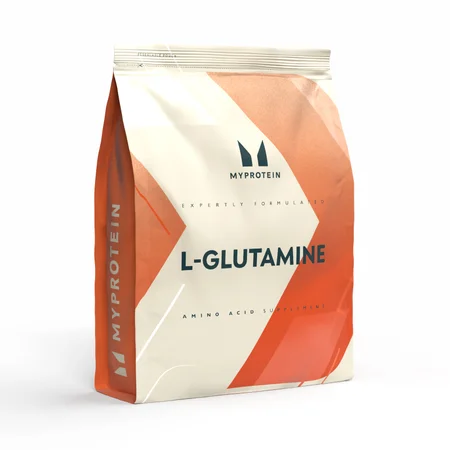
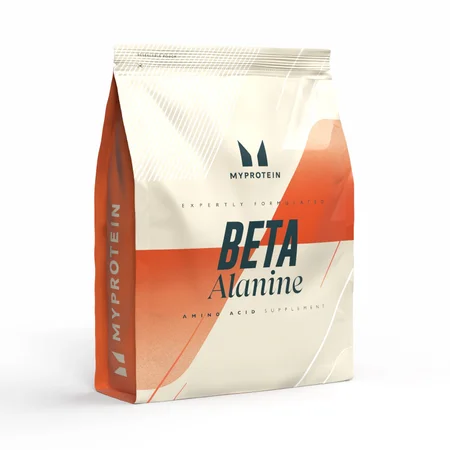
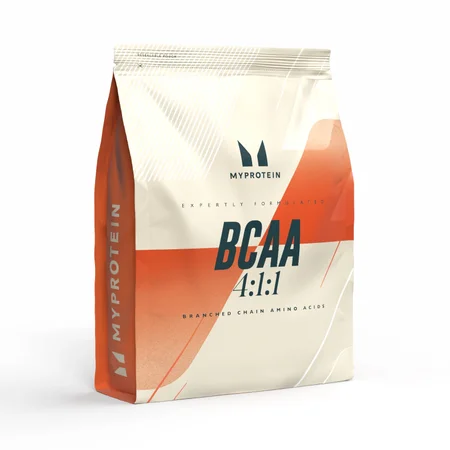
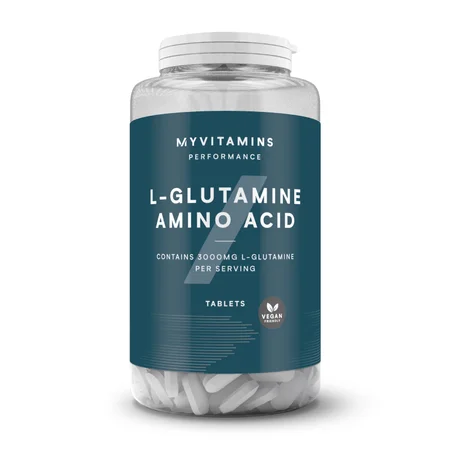
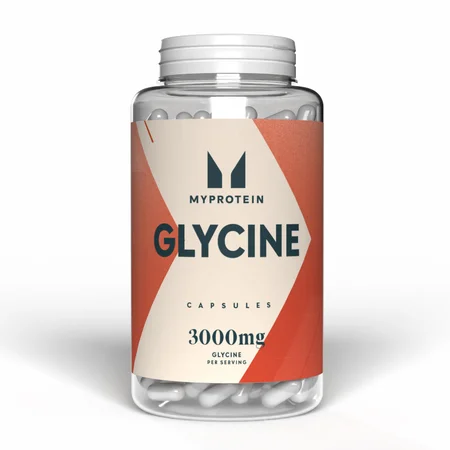

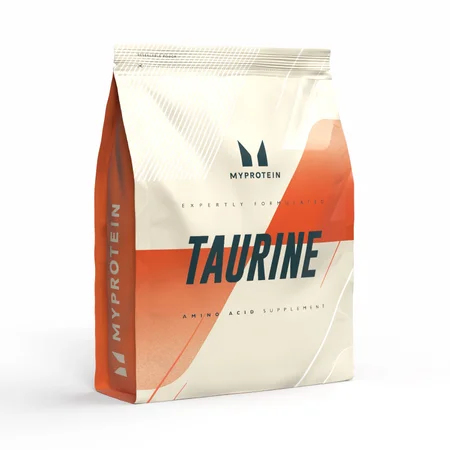
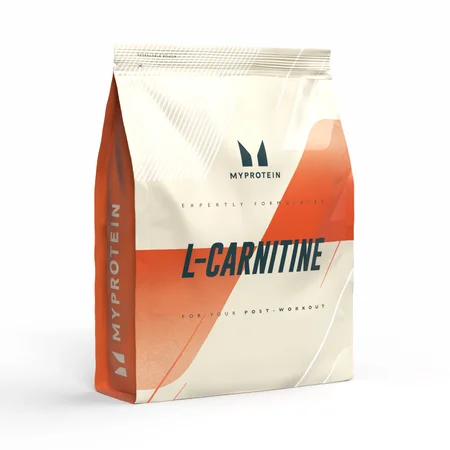
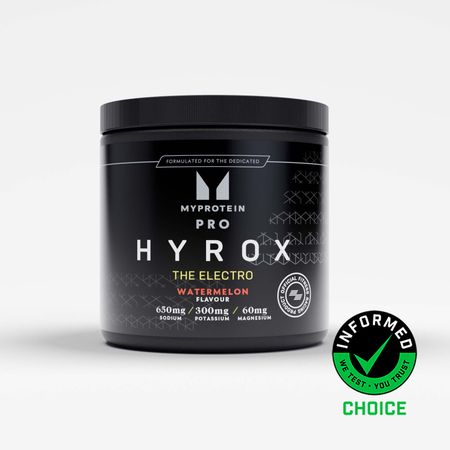
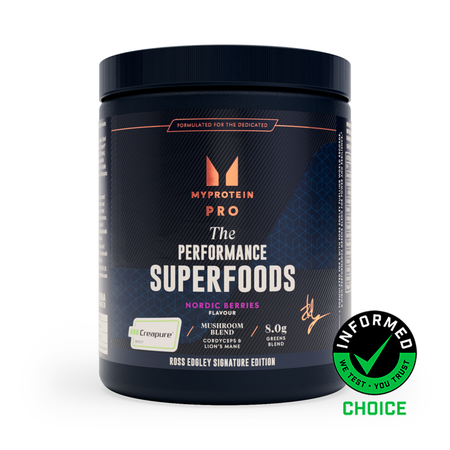
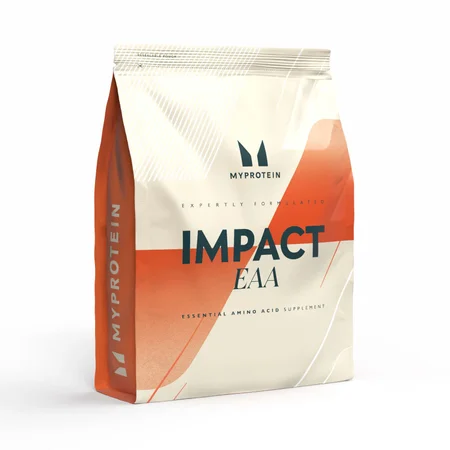
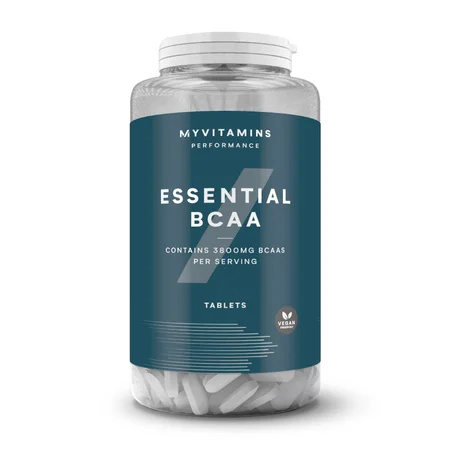
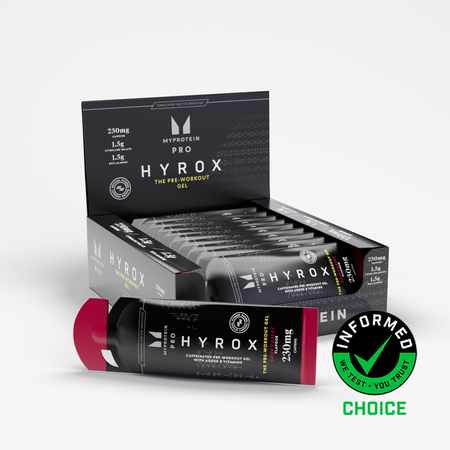
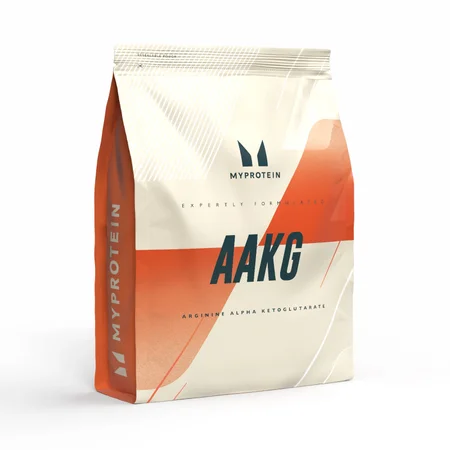
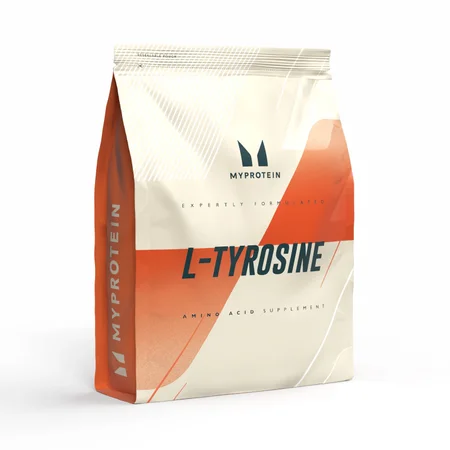

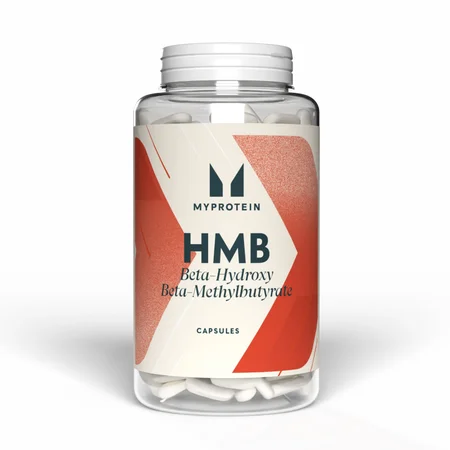
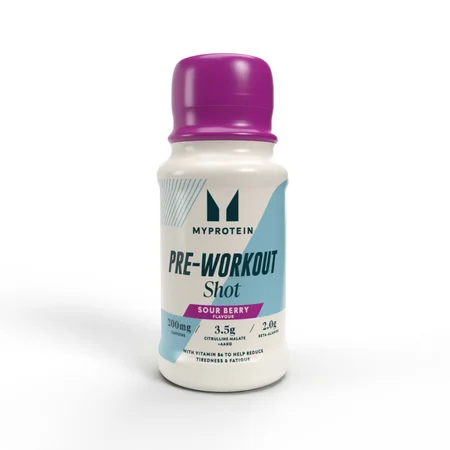

Shop Amino Acids at Myprotein
Amino acids are the building blocks of protein, playing a fundamental role in numerous biological processes. While your body produces some amino acids naturally, others need to come from your diet or supplementation. These essential amino acids (EAAs) cannot be synthesised by the body, making them a key consideration for anyone training hard or following specific nutritional approaches.
The range includes everything from branched-chain amino acids (BCAAs) to individual aminos like glutamine and carnitine. Each comes in various formats - tablets, capsules, and powders - giving you flexibility in how you supplement. Whether you're looking for convenience on the go or prefer mixing aminos into your training drink, there's an option that fits your routine.
Who Amino Acids Are For
These supplements suit anyone who trains regularly and wants to ensure their amino acid intake matches their activity levels. Strength athletes, endurance runners, team sport players, and gym-goers all use amino acids as part of their nutrition strategy. The specific amino you choose depends on your goals and training style.
Vegetarians and vegans often find amino acid supplements particularly useful, as plant-based protein sources can sometimes have different amino acid profiles compared to animal sources. If you're following a calorie-restricted diet or training fasted, amino acids offer a low-calorie way to supplement your nutrition without breaking your eating window.
When to Use Amino Acids
Timing varies depending on which amino acid you're taking and how it fits into your routine. BCAAs and EAAs are commonly consumed around training sessions - before, during, or after - as part of a structured supplement protocol. Many people mix powder formats into water bottles to sip throughout their workout.
Individual amino acids like L-carnitine or glutamine often get taken at specific times based on personal preference and training schedule. Tablets and capsules offer portability for dosing throughout the day, while powders integrate easily into shakes and drinks. The key is consistency - finding a pattern that works with your lifestyle and sticking to it.
Amino Acids Benefits
Complete Amino Acid Profiles
EAA supplements provide all nine essential amino acids your body cannot produce on its own. This complete profile includes the three BCAAs (leucine, isoleucine, and valine) plus six others that play various roles in the body. Having all nine essentials in one supplement simplifies your stack.
Convenient Dosing Options
From tablets you can take anywhere to flavoured powders that make training more enjoyable, amino acid supplements fit seamlessly into different lifestyles. Tablets suit travel and busy schedules, while powders let you customise serving sizes and combine with other supplements. This flexibility means you can maintain consistency even when routines change.
Low-Calorie Supplementation
Most amino acid supplements contain minimal calories, making them suitable for those managing their energy intake carefully. A serving of BCAAs or EAAs typically provides far fewer calories than a protein shake, yet still delivers targeted amino acids. This makes them popular during cutting phases or early morning training sessions.
Versatile Usage Patterns
You can use amino acids as standalone supplements or integrate them into a broader nutrition plan alongside protein powders, creatine, and other products. Some people use BCAAs during cardio sessions, others prefer EAAs around resistance training. Individual aminos like glutamine or carnitine get incorporated based on personal supplementation strategies developed over time.
Popular Picks
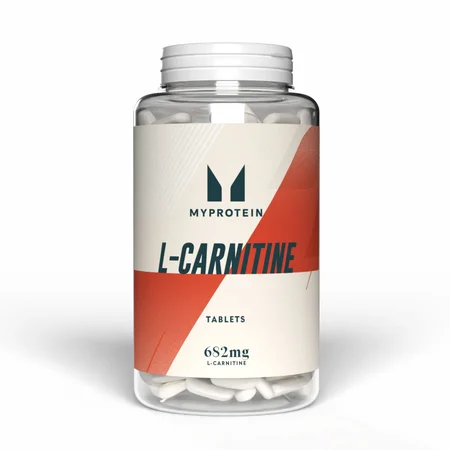
Need a non-stimulant addition to your supplement routine? L-Carnitine Tablets - Convenient tablet format delivering 500mg of L-carnitine per serving. These easy-to-take tablets fit effortlessly into any training schedule, whether you're dosing before cardio or as part of your daily supplement stack.
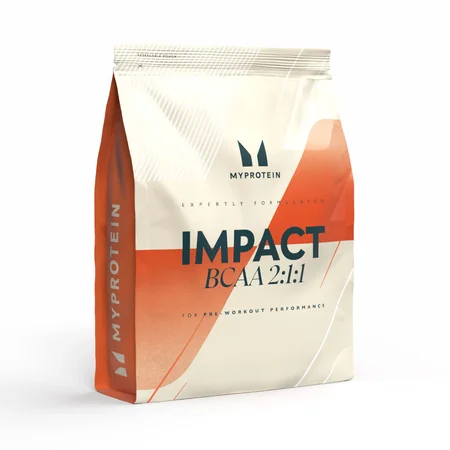
Looking for the classic BCAA ratio? Impact BCAA 2:1:1 - This powder provides leucine, isoleucine, and valine in the widely-used 2:1:1 ratio. Available in multiple flavours, it mixes easily into water for consumption before, during, or after training sessions.
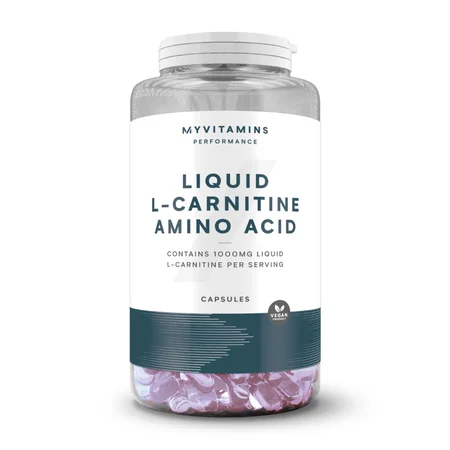
Want a rapid-absorption format? Liquid L-Carnitine Capsules - These liquid capsules offer a different delivery method compared to standard tablets. Each capsule contains 500mg of L-carnitine in liquid form, combining the convenience of capsules with liquid absorption characteristics.
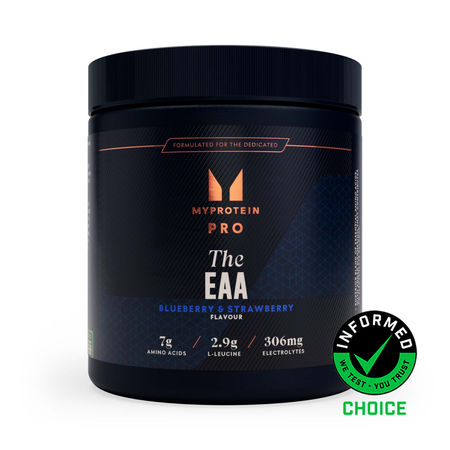
After a complete amino solution with added electrolytes? THE EAA | Essential Amino Acid & Electrolyte Powder - This comprehensive formula delivers all nine essential amino acids plus electrolytes in one refreshing powder. The added electrolytes make it particularly suited to longer training sessions where hydration matters.
Prefer individual amino acids? L-Glutamine Tablets - Each tablet provides 1000mg of L-glutamine, the most abundant amino acid found in muscle tissue. The tablet format offers precise dosing and portability, making it simple to maintain consistent supplementation wherever you train.
FAQs
What are amino acids and why do people supplement with them?
Amino acids are organic compounds that combine to form proteins in the body. There are 20 different amino acids, nine of which are essential - meaning your body cannot produce them and must obtain them through diet or supplementation. The remaining 11 are non-essential, as your body can synthesise them from other compounds.
People supplement with amino acids for various reasons related to their training and nutrition goals. Those training intensively may use them to ensure adequate intake alongside their regular protein consumption. The convenience of tablets, capsules, and low-calorie powders makes them easy to incorporate into existing routines without significantly impacting daily calorie targets.
What's the difference between BCAAs and EAAs?
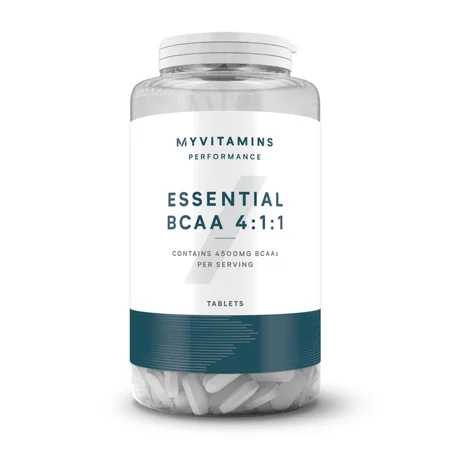
BCAAs (branched-chain amino acids) refer specifically to three essential amino acids: leucine, isoleucine, and valine. These three share a branched molecular structure that gives them their name. BCAA supplements contain only these three aminos, typically in ratios like 2:1:1 or 4:1:1, with leucine as the dominant amino acid.
EAAs (essential amino acids) include all nine essential amino acids - the three BCAAs plus histidine, lysine, methionine, phenylalanine, threonine, and tryptophan. An EAA supplement therefore provides a complete essential amino acid profile, whereas BCAAs provide just the three branched-chain varieties. Both have their place depending on your supplementation approach and what else you're consuming in your diet.
How do I choose between powder and tablet formats?
Powder formats offer flexibility in serving size and easily mix into water or shakes. Many people prefer powders during training sessions, as they can sip them throughout their workout. Flavoured options make them more enjoyable to drink, and you can adjust the concentration by adding more or less water to suit your taste preferences.
Tablets and capsules provide convenience and precise dosing without any mixing required. They're ideal for travel, busy schedules, or situations where you cannot prepare a drink. Some prefer tablets when they want to supplement without consuming additional liquid, particularly useful if you're already drinking enough fluids throughout the day. The choice often comes down to personal preference and lifestyle factors.
When is the best time to take amino acid supplements?
Timing depends on which amino acids you're taking and how they fit into your overall nutrition plan. Many people consume BCAAs or EAAs around their training sessions - some before exercise, others during, and some immediately after. There's no universal "best" time, as individual preferences and training schedules vary considerably.
Individual amino acids like L-carnitine or glutamine get incorporated at different points throughout the day based on personal supplementation protocols. Some take them with meals, others between meals, and some around specific training sessions. The most important factor is consistency - finding a routine that works for you and maintaining it over time rather than constantly changing your approach.
Can I combine different amino acid supplements together?
Yes, many people combine various amino acid supplements as part of their broader nutrition strategy. For example, you might use an EAA powder during training while also taking individual amino acid tablets like glutamine or carnitine at other times of day. These supplements can be integrated alongside protein powders, creatine, and other products you're using.
The key is ensuring your overall supplementation makes sense and doesn't result in excessive or redundant dosing. If you're taking an EAA supplement that already contains all nine essential amino acids, adding a BCAA supplement provides more of those three specific aminos but doesn't add anything fundamentally new. Consider what each supplement contributes and how they work together in your complete nutrition approach.
Who developed the amino acid supplements at Myprotein?
Myprotein's expert nutritionists developed the amino acid range to provide quality options across different formats and price points. The team formulated products like Impact BCAA 2:1:1 using widely-recognised ratios, while THE EAA was designed to include all nine essential amino acids plus electrolytes in one comprehensive powder.
The range reflects different supplementation preferences - from those wanting individual aminos like glutamine or carnitine to people seeking complete EAA profiles. Product development focuses on delivering amino acids in various formats to suit different lifestyles, whether you prefer the convenience of tablets or the versatility of flavoured powders.
How much amino acid supplementation do I need?
This depends entirely on your overall protein intake, training volume, and individual circumstances. Someone consuming high amounts of complete protein throughout the day from whole foods and protein supplements will have different amino acid needs than someone following a lower-protein diet or training in a fasted state.
Most amino acid supplements provide suggested serving sizes on the label, typically ranging from 5-10g for powdered BCAAs or EAAs, or 1-2 tablets for individual amino acids. These serve as starting points rather than prescriptive requirements. Your total amino acid intake should be considered in the context of your complete nutrition plan, including the protein from food and other supplements you consume daily.
What makes EAA supplements different from just taking protein powder?
Protein powders contain complete proteins that your body must digest and break down into individual amino acids before absorption. This digestion process takes time, with protein being absorbed gradually over several hours. EAA supplements, in contrast, provide amino acids in their free-form state, requiring no digestion before absorption.
EAA supplements are also virtually calorie-free compared to protein powders, which contain around 100-120 calories per 25g serving. This makes EAAs popular among those managing calorie intake carefully or who want to supplement amino acids without the additional energy from a full protein shake. However, EAAs only provide the nine essential aminos, while protein powders deliver all 20 amino acids plus other nutrients depending on the protein source.
Are amino acid supplements suitable for vegetarians and vegans?
Many amino acid supplements are suitable for vegetarians and vegans, though you should always check the specific product details. Most BCAA and EAA powders use amino acids produced through fermentation processes rather than animal-derived sources, making them appropriate for plant-based diets. Individual amino acids like glutamine and carnitine can also be produced through non-animal methods.
For those following plant-based diets, amino acid supplements can be particularly useful as a way to ensure adequate intake of all essential amino acids. While plant proteins can provide complete amino acid profiles when properly combined, the convenience of EAA supplements offers a straightforward option. Always verify the product labelling or specifications to confirm suitability for your dietary requirements.
How do amino acid supplements fit into a complete nutrition plan?
Amino acid supplements work as one component within a broader nutrition approach that includes whole food protein sources, other supplements, and your overall dietary intake. They're not replacements for complete proteins from food but rather tools that some people use to complement their existing nutrition strategy.
Most people use amino acid supplements strategically - perhaps taking BCAAs during fasted training, using EAAs around workouts, or incorporating individual aminos like glutamine as part of their daily supplement stack. The effectiveness of this approach depends on your complete nutritional context, including how much protein you consume daily, when you eat relative to training, and what your specific goals are. Amino acid supplements are most useful when integrated thoughtfully rather than used randomly or without consideration for your overall intake.