Gym Bags
Gym bags come in a huge variety of shapes, sizes and functional attributes. We have a wide range of high-quality sports bags to support all your training and meal prep needs. From women's and men's backpacks, barrel bags and tote bags, to meal holdalls — we have the gym bag for you.



Shop Gym Bags at Myprotein
Getting to the gym is half the battle, and having the right bag makes that journey easier. A proper gym bag keeps your kit organised, your clean gear separated from the sweaty stuff, and everything you need within easy reach. From compact drawstring styles for minimalist training days to spacious barrel bags for serious gym sessions, the right bag becomes as essential as your trainers.
The difference between a good gym bag and a great one comes down to durability, design, and how well it fits your training routine. Quality materials mean your bag stands up to daily use, multiple washes, and the inevitable spills that come with carrying protein shakers and water bottles. Thoughtful compartments keep wet towels away from your phone, whilst adjustable straps and reinforced bases make carrying heavy loads comfortable, whether you're walking, cycling, or catching the bus to train.
Who Gym Bags Are For
Anyone who trains needs somewhere to carry their kit. Whether you're heading to a commercial gym, CrossFit box, martial arts class, or outdoor training session, a dedicated gym bag keeps everything in one place. Regular gym-goers benefit from having multiple compartments to separate clean clothes from used ones, whilst those who train before or after work need bags that look presentable on public transport and in the office.
Different training styles demand different bag solutions. Powerlifters and bodybuilders often need larger bags to accommodate lifting belts, wraps, and multiple pairs of shoes. Runners and yogis might prefer smaller, lightweight options that carry just the essentials. Those who shower at the gym need space for toiletries and towels, whilst outdoor athletes require bags tough enough to handle muddy boots and wet weather gear.
When to Use Gym Bags
Most people use their gym bag as a daily training companion, packing it the night before to make morning sessions easier or keeping it stocked in the car for spontaneous workouts. The best approach is treating your gym bag like a mobile locker, keeping essentials permanently inside so you're never caught without basics like a towel, spare socks, or your headphones. Regular packers often rotate between two bags, allowing one to air out and be washed whilst the other stays in active use.
Beyond regular training, gym bags serve multiple purposes throughout the year. They're ideal for sports tournaments, weekend competitions, and training camps where you need everything in one reliable carrier. Many people also use them for swimming sessions, outdoor adventures, or even short weekend trips when they need something more durable than a standard holdall. The key is choosing a size and style that matches your most frequent use case, then enjoying the versatility it brings to other activities.
Gym Bags Benefits
Organisation That Saves Time
Multiple compartments mean you can find what you need without emptying the entire bag on the changing room floor. Separate sections for shoes, wet items, and valuables keep everything in its place, whilst external pockets provide quick access to keys, cards, and your phone. This organisation translates directly into less time faffing and more time training.
Durability for Daily Demands
Quality construction withstands the punishment of regular use. Reinforced stitching on stress points prevents tears, whilst water-resistant materials protect your belongings from unexpected rain or leaky bottles. Robust zips survive being yanked open hundreds of times, and sturdy bases prevent wear even when the bag sits on wet changing room floors.
Comfort When Carrying Heavy Loads
Padded straps and ergonomic designs distribute weight evenly across your shoulders and back. Adjustable fittings let you customise the carry to suit your height and build, whilst grab handles provide alternative carrying options when you're navigating tight spaces or short distances. This thoughtful design means less strain, even when you're hauling a full week's worth of training gear.
Hygiene and Freshness
Ventilated compartments allow air circulation, preventing that distinctive gym bag smell from developing. Washable materials and removable base boards make cleaning straightforward, whilst separate wet pockets keep damp towels and sweaty kit away from clean clothes. This separation maintains freshness and means you're not arriving at work smelling like yesterday's deadlift session.
Popular Picks
Need something compact for light training days? MP Mini Gym Bag - Clay - This streamlined option holds the essentials without bulk, featuring a minimalist design that works equally well for the gym or weekend errands. The neutral clay tone suits any outfit, whilst the compact size encourages you to pack only what you actually need.
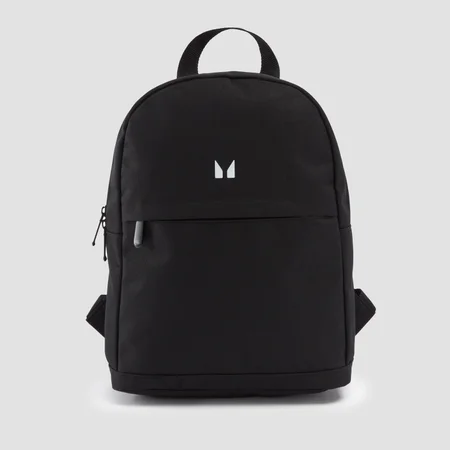
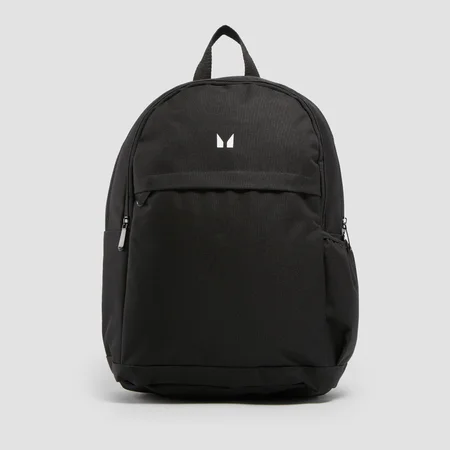
Want hands-free convenience? MP Mini Backpack - Black - Backpack-style carry distributes weight evenly across both shoulders, making it ideal for cycling to the gym or walking longer distances. Multiple compartments keep smaller items organised, whilst the sleek black finish transitions seamlessly from training to everyday use.
Prefer a versatile all-rounder? MP Mini Gym Bag - Cocoa - This compact design balances size and functionality, offering enough space for a full training kit without feeling oversized on lighter gym days. The cocoa colourway provides a sophisticated alternative to standard black, whilst maintaining the durability needed for regular use.
Looking for ultimate simplicity? MP Metallic Drawstring Bag - Black - Drawstring bags strip away unnecessary features, delivering a lightweight solution that folds down when empty and expands to hold training essentials. Perfect for those who train minimally or need a backup bag that takes up almost no space when not in use.
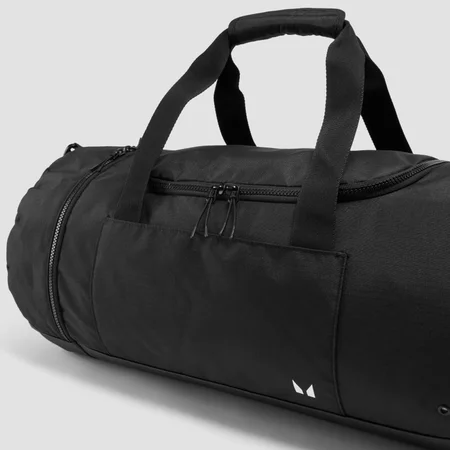
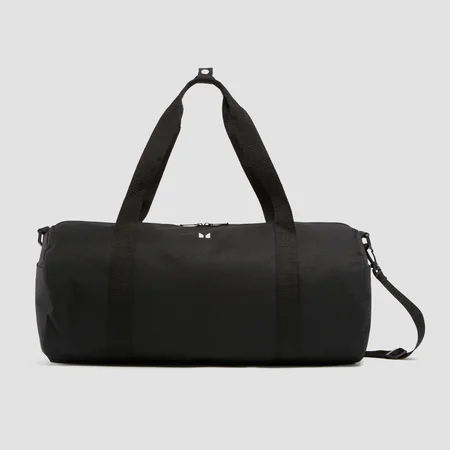
Need maximum capacity for serious sessions? MP Barrel Bag - Black - This spacious design accommodates everything from multiple pairs of shoes to bulky winter gear, with a structured barrel shape that prevents contents from getting crushed. Side pockets provide quick access to frequently needed items, whilst reinforced carry handles and an adjustable shoulder strap offer flexible transport options.
FAQs
What makes a gym bag different from a regular sports bag?
Gym bags prioritise organisation and hygiene features specifically designed for fitness use. They typically include ventilated compartments for shoes and sweaty kit, water-resistant materials to handle wet towels and leaky bottles, and multiple pockets sized for training essentials like wraps, belts, and shakers. Regular sports bags often lack these specialised compartments and may not feature the same level of durability needed for daily gym trips.
The construction also differs in key areas. Gym bags use reinforced bases that can sit on wet changing room floors without damage, robust zips that survive frequent opening, and materials that either resist odours or clean easily. These design elements specifically address the unique demands of regular training, making them more practical for consistent gym use than generic sports holdalls.
How do I choose between a backpack-style gym bag and a traditional holdall?
Your commute method largely determines the best style. Backpack designs work brilliantly if you cycle, walk long distances, or use public transport, as they keep your hands free and distribute weight evenly across both shoulders. Traditional holdall styles suit those who drive to the gym or have short walks, offering easier access to contents and the ability to quickly grab what you need without removing the entire bag.
Consider also how much you typically carry. Backpacks encourage lighter packing since everything sits on your shoulders, whilst barrel and duffel styles accommodate bulkier items like multiple pairs of shoes, large towels, or winter training gear. Many regular gym-goers eventually own both styles, using backpacks for standard sessions and larger holdalls when they need extra capacity.
What size gym bag should I get?
Start by listing everything you genuinely need for a typical training session. Most people require trainers, a change of clothes, a towel, water bottle, and perhaps a few accessories like wraps or a lifting belt. Mini bags and small backpacks handle these essentials comfortably, typically offering 15-25 litres of capacity. This size works for the majority of gym-goers and prevents overpacking.
Larger barrel bags and holdalls make sense if you shower at the gym and need toiletries, train multiple times daily requiring several outfit changes, or participate in sports needing specialist equipment. These typically range from 30-50 litres and accommodate weekend training trips or competitions. Remember that bigger isn't always better, as oversized bags encourage carrying unnecessary items and become unwieldy on public transport.
How should I maintain and clean my gym bag?
Empty your bag completely after each use, removing any wet items, used towels, and empty bottles immediately. This single habit prevents odour build-up more effectively than any cleaning product. Allow the bag to air dry with all compartments open, preferably in a well-ventilated area rather than stuffed in a cupboard. Many bags feature removable base boards that benefit from being taken out and wiped down regularly.
For deeper cleaning, most gym bags can be hand-washed with mild detergent and warm water, though always check the care label first. Focus on areas that contact floors and sweaty kit, using a soft brush for stubborn marks. Air dry thoroughly before repacking, as putting gear into a damp bag creates the perfect environment for bacteria and odour. Some bags are machine washable on gentle cycles, but hand washing typically extends their lifespan.
Can I use a gym bag for other activities beyond training?
Gym bags adapt brilliantly to various uses thanks to their durable construction and practical organisation. Many people use them as overnight bags for short trips, sports tournament carriers, swimming kit holders, or even nappy bags given their wipeable interiors and multiple compartments. The same features that make them ideal for sweaty gym kit work equally well for muddy outdoor gear or beach equipment.
The key advantage is versatility combined with toughness. Unlike fashion bags that might struggle with wet or dirty items, gym bags handle whatever you throw at them. This makes them particularly useful for active lifestyles where you might transition from work to training to weekend adventures, all whilst using the same reliable carrier.
What features should I look for in a quality gym bag?
Prioritise durability markers like reinforced stitching at stress points, quality zips that glide smoothly, and water-resistant fabrics that protect contents from spills and weather. A reinforced base prevents wear when the bag sits on floors, whilst padded straps reduce shoulder strain during longer carries. These construction details determine whether your bag lasts months or years.
Functional organisation matters equally. Look for separate shoe compartments that keep dirty soles away from clean clothes, ventilated sections that allow air circulation, and external pockets for items you access frequently. Internal organisation like key clips and small zippered sections prevent valuable items from disappearing into the bag's depths. The best gym bags balance these practical features with a design you'll actually want to carry.
Who developed these gym bags?
These bags come from Myprotein's design team, who focus on creating practical solutions for active lifestyles. The development process considers real training scenarios, from commuting with heavy kit to managing sweaty gear after intense sessions. This approach ensures each bag addresses genuine needs rather than just following generic sports bag templates.
How many gym bags do most people actually need?
One quality bag serves most people perfectly well, especially if chosen thoughtfully to match their primary training routine. This bag becomes your daily companion, packed and ready for whenever training fits into your schedule. Having a single dedicated gym bag also simplifies your routine, as you always know where your training essentials live.
Some situations benefit from owning two bags. Those who train multiple times daily might keep one bag for morning sessions and another for evening workouts, reducing the stress of constantly repacking. Others prefer having a compact option for light training days and a larger bag for sessions requiring more gear. If you do opt for multiple bags, ensure each serves a distinct purpose rather than creating redundant storage.
What's the difference between drawstring bags and structured gym bags?
Drawstring bags prioritise lightweight simplicity, folding down to almost nothing when empty and expanding to hold basic training essentials. They work brilliantly as backup bags, for minimalist training sessions, or when you're already carrying other items and need something that doesn't add bulk. The trade-off is limited organisation and less protection for contents, as everything tends to pile together in one main compartment.
Structured bags like barrel bags and holdalls maintain their shape whether full or empty, offering better protection for contents and more sophisticated organisation systems. They typically feature multiple compartments, reinforced construction, and more comfortable carry options for heavier loads. This structure makes them better suited to regular use and sessions requiring varied equipment, though they take up more storage space when not in use.
How can I prevent my gym bag from developing odours?
Never leave wet or sweaty items inside your bag between sessions. This single action prevents most odour problems, as bacteria thrive in damp, enclosed environments. Remove used towels, damp clothes, and sweaty kit immediately after training, even if that means carrying them separately until you get home. Air your bag completely between uses with all compartments open.
Consider keeping a small mesh laundry bag inside your gym bag specifically for used items during your session. This creates a barrier between clean and dirty gear whilst making it easier to transfer everything to the wash when you get home. Some people also keep odour-absorbing sachets in their bags, though proper airing and immediate removal of wet items prove more effective than trying to mask smells after they develop.