Gym Training & Weightlifting Equipment
Make every rep and set count with our range of gym equipment essentials.
From weightlifting gloves and belts, to knee supports and wrist wraps, we’re on hand to help you stay injury-free and on form to reach your goals.
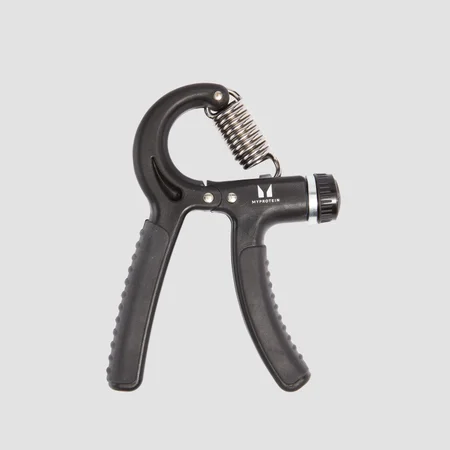
If you’re looking for accessories to help boost your home workouts — try our Grip Strengthener, great for challenging yourself, wherever you are.
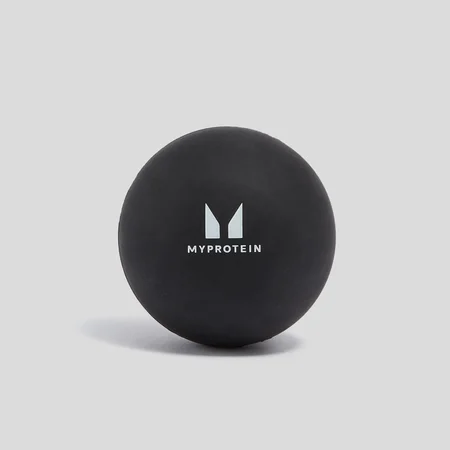
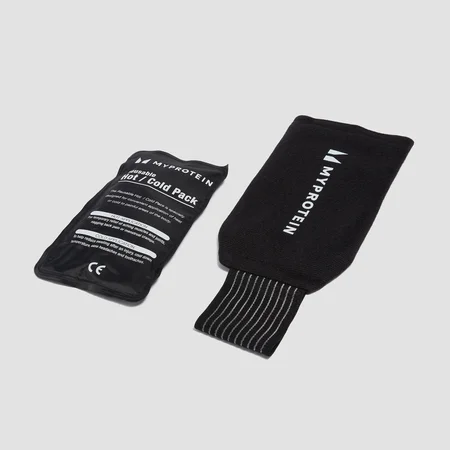
We’ve also got the right tools to help you support your body through a tough training regime, including Hot & Cold Gel Packs and Recovery Balls.
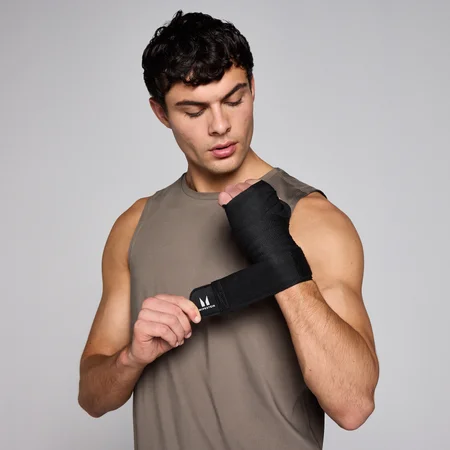
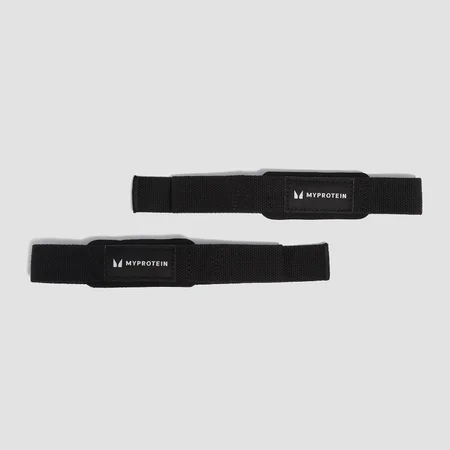
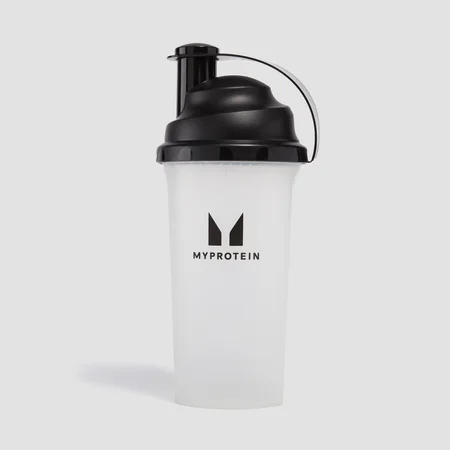
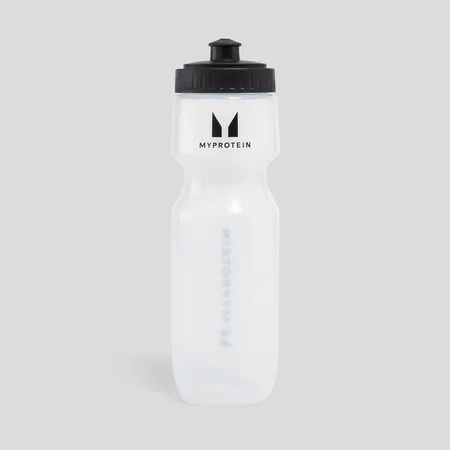
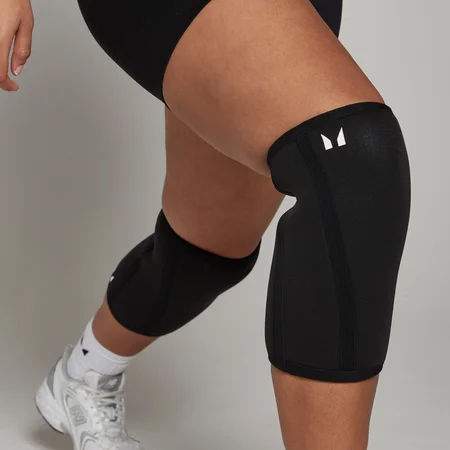
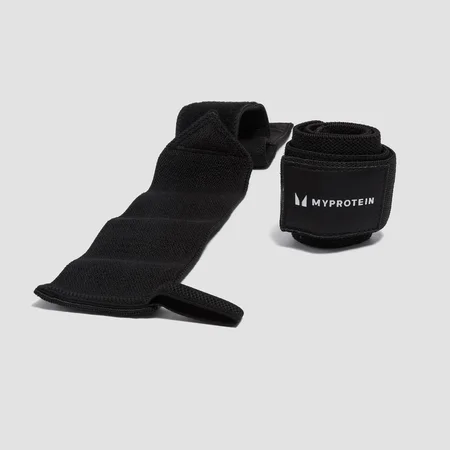
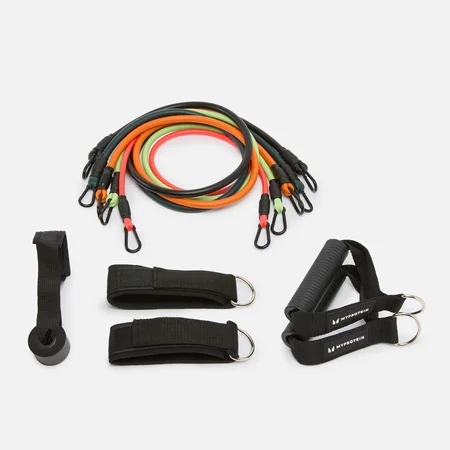
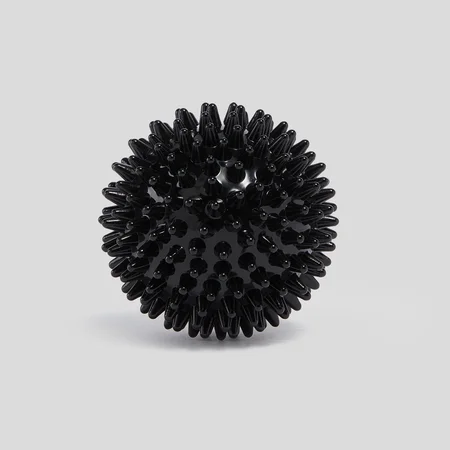
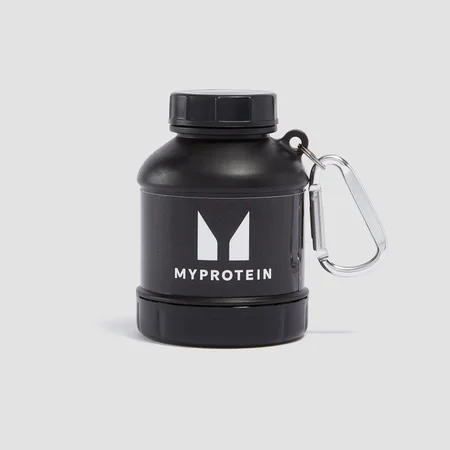
Shop Gym Training & Weightlifting Equipment at Myprotein
The right equipment can transform your training sessions. Whether you're lifting heavy, perfecting your form, or pushing through those final reps, having proper support makes all the difference between good workouts and great ones.
From lifting straps and belts to resistance bands and grip strengtheners, the equipment you choose shapes how effectively you train. Quality gym gear helps you focus on what matters - lifting with confidence, maintaining proper technique, and getting the most from every session.
Who Gym Training & Weightlifting Equipment Are For
Serious lifters know that certain movements demand certain tools. If you're progressing to heavier weights, competing in powerlifting, or simply want to train smarter, the right accessories become essential parts of your routine. Lifting straps support your grip during deadlifts and rows, whilst belts provide stability for heavy squats and overhead presses.
Beyond the experienced athlete, anyone working on specific training goals can benefit from targeted equipment. Building grip strength, protecting joints during high-volume training, or adding resistance to bodyweight movements all require different approaches. The equipment you select should match your current training phase and the adaptations you're working toward.
When to Use Gym Training & Weightlifting Equipment
Timing matters when bringing equipment into your training. Lifting belts work best during your heaviest compound lifts - think final sets of squats, deadlifts, and overhead presses where core stability becomes crucial. Straps come into play when grip becomes the limiting factor, typically during back work where you're targeting larger muscle groups.
Other equipment fits different training windows. Resistance bands add variety to warm-ups, mobility work, and accessory movements throughout your session. Grip strengtheners can be used during rest periods or even away from the gym. The key is understanding which tools serve which purpose, then integrating them where they'll have the most impact on your specific training goals.
Gym Training & Weightlifting Equipment Benefits
Enhanced Training Capacity
Quality equipment removes limitations that aren't related to the muscles you're actually targeting. When your grip fails before your back during heavy rows, you're not getting the full training stimulus. Straps shift the focus back to the intended muscle groups, letting you work closer to true failure.
Form and Technique Support
Proper equipment helps you maintain position under load. Lifting belts provide tactile feedback for bracing, creating a stable platform for heavy compound movements. Knee sleeves offer warmth and compression during high-volume leg sessions, whilst elbow sleeves do the same for pressing movements.
Progressive Overload
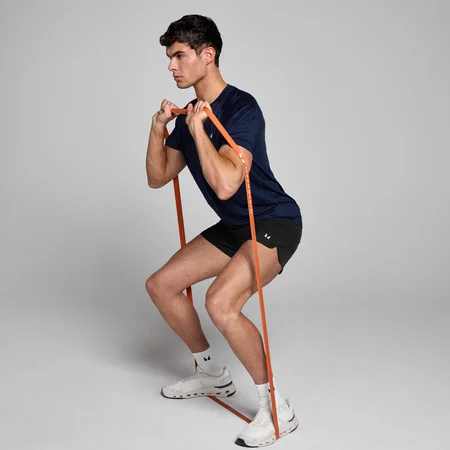
Adding resistance bands to your routine creates new stimulus without requiring additional weight plates. They provide variable resistance throughout the range of motion, challenging muscles differently than traditional weights. Grip strengtheners offer measurable progression you can track, adding another dimension to your overall development.
Training Versatility
Different equipment opens different training possibilities. Resistance bands travel easily for hotel workouts or outdoor sessions. Hydration vests keep water accessible during longer training blocks. Having the right tools means you can adapt to various training environments whilst maintaining consistency in your routine.
Popular Picks
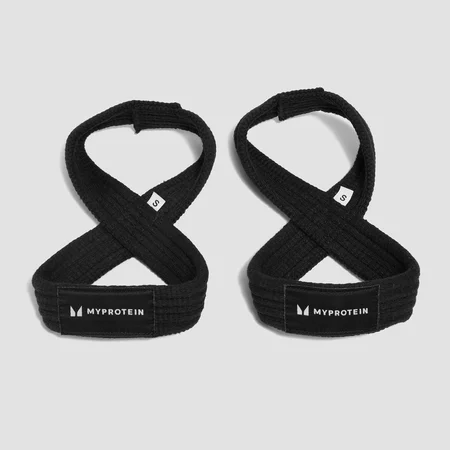
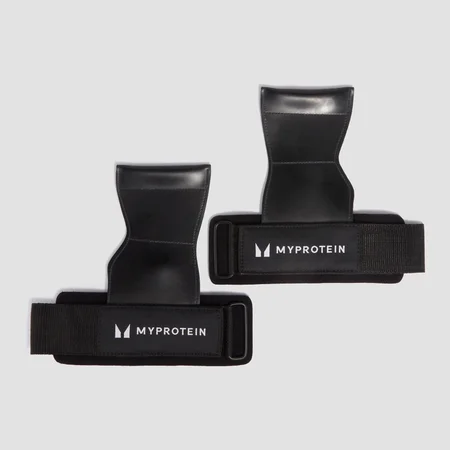
Need serious grip support for heavy pulls? Myprotein Figure of 8 Lifting Straps - Black - These figure-8 design straps lock onto the bar quickly, distributing load evenly across your wrists during deadlifts, shrugs, and heavy rows. They're built from durable material that withstands repeated heavy sessions.
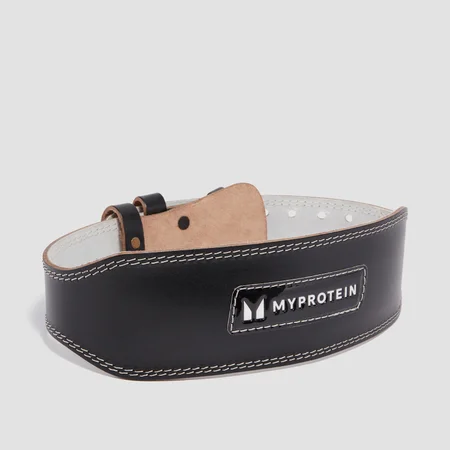
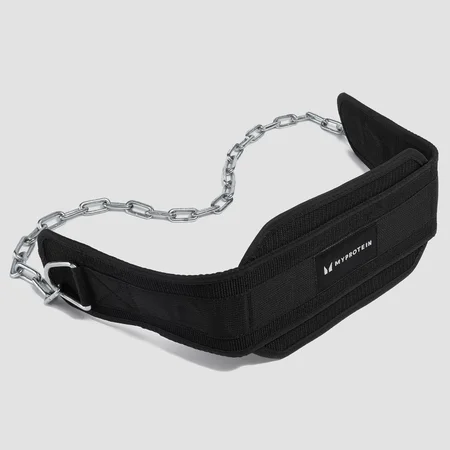
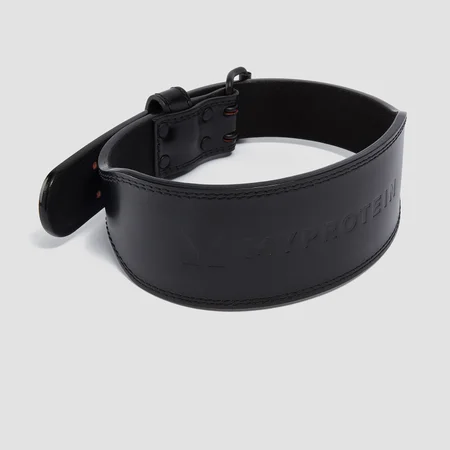
Looking for core stability during max lifts? Myprotein Leather Lifting Belt - Black - Crafted from genuine leather with a sturdy buckle closure, this belt provides rigid support for bracing during squats, deadlifts, and overhead presses. The 10cm width offers substantial support whilst remaining competition-legal.
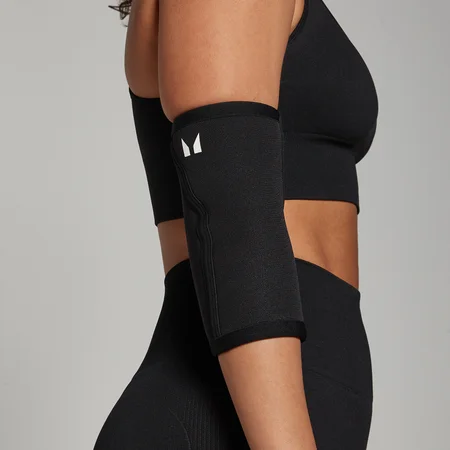
Training through high-volume pressing sessions? MP Unisex Training Elbow Sleeve Pair - Black - These compression sleeves provide warmth and support during bench press, overhead work, and tricep movements. The snug fit stays in place throughout your session without restricting your range of motion.
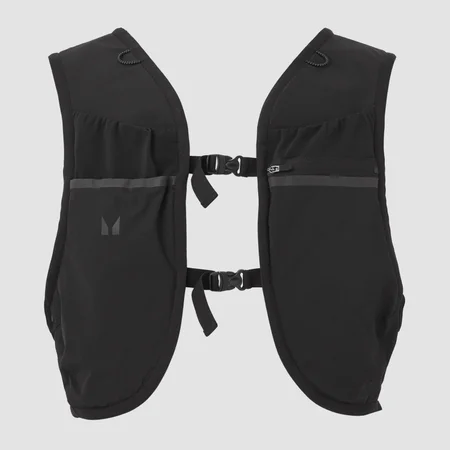
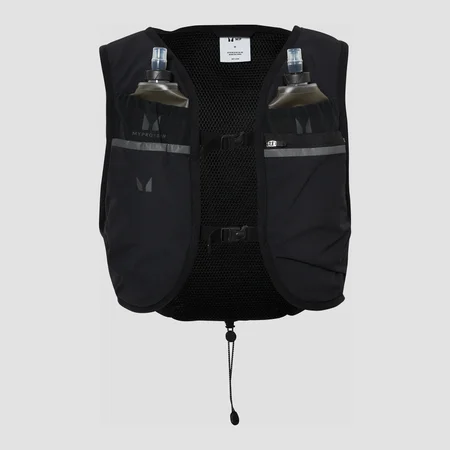
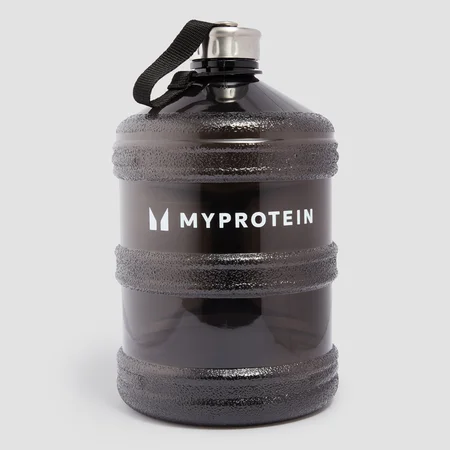
Want to stay hydrated during extended training blocks? MP Hydration Vest - Black - This vest keeps water accessible throughout longer sessions without interrupting your flow between exercises. Multiple pockets accommodate bottles, supplements, and essentials, distributing weight evenly across your torso.
Developing crushing grip strength? Myprotein Quick Adjust� Grip Strengthener - Black - The adjustable resistance lets you progress systematically from warm-up squeezes to max effort crushes. Use it during rest periods, whilst reviewing your programme, or anywhere you need convenient grip work.
FAQs
What is gym training and weightlifting equipment?
Gym training and weightlifting equipment encompasses the accessories and tools designed to support, enhance, or modify your lifting sessions. This includes items like lifting straps that assist grip during heavy pulls, belts that provide core stability during compound movements, resistance bands for variable tension, and protective sleeves for joints during high-volume work.
Unlike the weights themselves, these accessories serve specific functions - removing grip limitations, providing stability cues, adding resistance options, or protecting areas under repeated stress. Each piece addresses a particular training need or challenge you might encounter as your lifts progress.
How do I choose the right weightlifting equipment for my training?
Start by identifying your actual limiting factors. If your grip fails before your back muscles during deadlifts or rows, lifting straps address that specific issue. When core stability becomes challenging during heavy squats, a lifting belt provides the bracing support you need.
Consider your current training phase and goals. Building towards a powerlifting competition requires different equipment than general strength training or bodybuilding. Look at the movements where you struggle most - that's usually where targeted equipment makes the biggest difference. Quality matters more than quantity, so invest in well-made pieces for the lifts you perform most frequently.
What's the difference between lifting straps and lifting grips?
Lifting straps wrap around the bar and your wrists, creating a mechanical connection that takes grip largely out of the equation. Figure-8 straps lock onto the bar particularly securely, whilst traditional straps require wrapping technique. Both let you focus on pulling muscles rather than forearm endurance during back training.
Lifting grips typically provide padding or friction enhancement without fully removing the grip component. They offer some assistance whilst still requiring you to actively hold the bar. Straps are better for maximum loading on back exercises, whilst grips work well when you want partial assistance without completely bypassing grip development.
When should I start using a weightlifting belt?
Introduce a belt once you're handling loads where core stability becomes a genuine limiting factor - typically when approaching or exceeding bodyweight on squats and deadlifts. The belt doesn't strengthen your core directly, rather it provides something to brace against, creating increased intra-abdominal pressure.
Many lifters reserve belts for their heaviest working sets, training beltless at lighter loads to continue developing natural bracing patterns. This approach maintains core strength development whilst using the belt strategically for maximum attempts or final heavy sets where that extra stability makes the difference.
What equipment do I need as a beginner weightlifter?
Initially, focus on learning proper technique with minimal equipment. A basic resistance band for warm-ups and mobility work covers most early needs. As you progress to heavier weights over your first 6-12 months, consider adding lifting straps once grip becomes limiting during back exercises.
A quality lifting belt becomes relevant once you're handling substantial loads on squats and deadlifts. Joint sleeves serve high-volume training phases well. Rather than buying everything at once, add equipment as specific needs emerge in your training. This ensures you're investing in tools that address actual limitations rather than perceived ones.
How can I use resistance bands in my weightlifting routine?
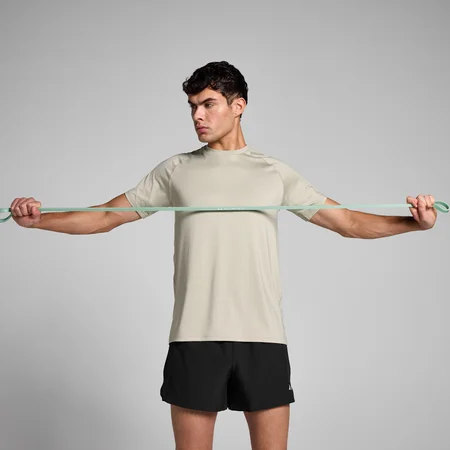
Resistance bands add variable tension that increases as you stretch them, creating a different strength curve than traditional weights. Attach them to barbells during squats or bench press for accommodating resistance - the band tension peaks where you're naturally strongest, challenging you throughout the entire range.
Bands also excel for warm-ups, activation work, and accessory movements. Use them for face pulls, band pull-aparts, or glute bridges before main lifts. During deload weeks, bands provide training stimulus with less joint stress than heavy weights. Their portability makes them valuable for maintaining movement quality when travelling.
Do I need different equipment for powerlifting versus bodybuilding?
Powerlifting typically demands sturdier, competition-legal equipment. A 10cm leather belt meeting federation specifications, figure-8 lifting straps for deadlift assistance work, and potentially knee sleeves for squats form the core kit. Chalk and proper footwear also matter significantly for maximal attempts.
Bodybuilding training often incorporates more variety in equipment - various resistance bands for unique angles, straps for drop sets and higher-rep back work, and potentially different sleeves for the higher training volumes. Neither approach is superior, they simply reflect different training demands and competition requirements.
Who develops Myprotein's gym equipment range?
Myprotein's expert team designs equipment based on feedback from athletes, coaches, and everyday gym users. The focus remains on creating durable, functional pieces that address real training needs rather than gimmicks.
Each product undergoes testing for quality, durability, and practical application across different training styles. The goal is equipment that performs reliably whether you're training in a commercial gym, home setup, or competition environment.
How do I maintain and care for my weightlifting equipment?
Leather belts benefit from occasional conditioning to prevent cracking, particularly if exposed to chalk and sweat regularly. Store them flat or rolled loosely rather than bent at sharp angles. Wipe down after particularly sweaty sessions to prevent deterioration.
Lifting straps and sleeves should be air-dried between uses rather than left damp in your gym bag. Most fabric items can be hand-washed periodically with mild detergent. Resistance bands last longer when stored away from direct sunlight and extreme temperatures. Inspect all equipment regularly for signs of wear - frayed straps or damaged belts should be replaced before they fail mid-lift.
Can I use gym equipment for other types of training besides weightlifting?
Much of this equipment transfers well to different training modalities. Resistance bands work excellently for mobility routines, rehabilitation exercises, and bodyweight training progressions. They add resistance to movements like push-ups or assist with pull-ups when you're building strength.
Hydration vests serve any extended training session, from circuit workouts to outdoor conditioning. Grip strengtheners benefit climbers, martial artists, and anyone needing hand strength. The key is understanding what each piece does mechanically, then applying that function to your specific training context.