Meal Prep Containers
Get prepped and stay ahead of the game with our range of meal prep containers. With slim designs, multiple compartments, and safe-click opening to keep your food or snacks fresh on the go — our food storage containers and pill boxes are perfect for prepping all your meals and supplements.
With a range of colours and sizes to choose from, we've got your meal prep covered.
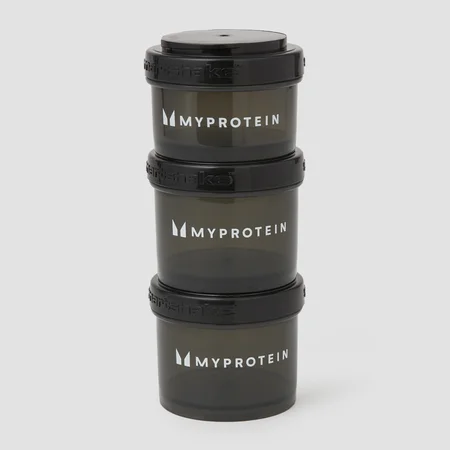
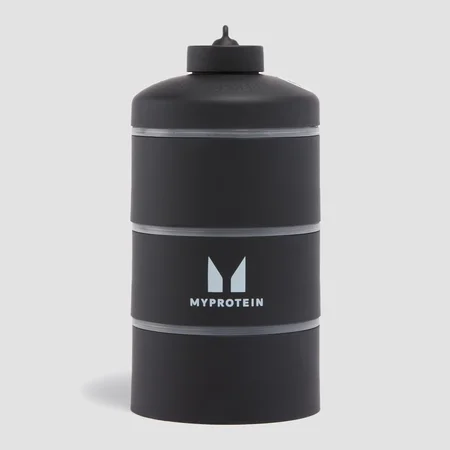
Shop Meal Prep Containers at Myprotein
Getting your nutrition sorted for the week becomes a whole lot easier when you've got the right tools. Meal prep containers take the chaos out of healthy eating, letting you portion, store, and grab meals without the daily cooking marathon. Whether you're tracking macros, batch cooking on Sundays, or just trying to avoid the meal-deal trap at lunchtime, having proper containers makes it happen.
The difference between containers that work and ones that don't comes down to design. Look for leak-proof seals that actually stay sealed in your bag, stackable shapes that don't waste fridge space, and materials that can handle both freezer and microwave. The right setup means your prepped meals stay fresh, portions stay consistent, and your week runs smoother.
Who These Are For
Meal prep containers work for anyone who's figured out that planning ahead beats last-minute decisions. Gym-goers tracking protein intake use them to nail portion sizes and hit targets without guessing. Athletes juggling training schedules rely on them for grab-and-go nutrition that travels. Busy professionals who'd rather spend their lunch break eating than queuing fill them with home-cooked meals that cost less and fuel better.
They're equally valuable for weight management, where consistent portions remove the guesswork from calorie control. Families batch cooking to save time and money use them to organise meals for the week. Anyone tired of wilted salads, soggy sandwiches, or reheated disasters benefits from proper food storage that keeps ingredients fresh and separate until you're ready to eat.
When to Use Meal Prep Containers
The classic approach is Sunday prep for the working week. Cook in batches, portion into containers, stack in the fridge, and you've got five days sorted. Some prefer twice-weekly sessions to keep variety higher and ingredients fresher. Others prep components rather than full meals, storing proteins, carbs, and veg separately to mix and match throughout the week.
Use them for packed lunches that beat meal deals on both nutrition and cost. Fill them with post-workout meals ready to eat straight from the gym. Pack snacks in smaller containers to avoid vending machine visits. They're also handy for overnight oats, salad jars, and anything you want portioned and ready without daily prep work eating into your time.
Meal Prep Containers Benefits
Portion Control Made Simple
Clear compartments let you see exactly what's going in, making it easier to stick to targets without scales at every meal. Consistent portions mean consistent nutrition, whether you're tracking macros or just trying to eat more veg. No more oversized restaurant portions or picking at leftovers straight from the pan.
Time Saved During the Week
One cooking session replaces five or six. Instead of starting from scratch each evening, you're reheating meals already portioned and ready. Mornings become faster when lunch is already packed. The mental load drops when you're not deciding what to eat three times a day, every single day.
Food Stays Fresh Longer
Proper seals keep air out and flavours in, so Monday's prep still tastes good on Friday. Separate compartments stop sauces from making everything soggy and keep ingredients from mixing until you're ready. Leak-proof designs mean your bag stays clean and your meals stay where they belong.
Less Waste, Lower Costs
Batch cooking uses ingredients more efficiently, reducing what gets thrown away at the end of the week. Buying in bulk and cooking once costs less than buying prepared meals or eating out daily. You'll use what you buy instead of watching it go off in the fridge because you couldn't be bothered to cook.
Popular Picks
Need storage beyond the kitchen?: MP Power Tower - Black - This multi-functional training tower gives you a home setup for pull-ups, dips, and core work, but it's the sturdy construction that makes it worth the space.
Looking for reliable meal storage?: MP Food Storage Box - Black - Designed for portioning and stacking, these boxes handle everything from batch-cooked proteins to chopped veg, with seals that actually keep contents secure.
Want modular powder storage?: Myprotein Shakesphere Stackable Storage - These stackable containers keep your supplements organised and fresh, with a design that saves counter space while making it easy to grab what you need.
FAQs
What are meal prep containers?
Meal prep containers are reusable food storage boxes designed for portioning, storing, and transporting prepared meals. They typically feature divided compartments to keep different foods separate, leak-proof lids to prevent spills, and materials safe for fridge, freezer, and microwave use.
The best versions stack efficiently to save fridge space, seal properly to maintain freshness, and withstand repeated use without staining or warping. They're built specifically for people who cook in batches and need reliable storage that makes healthy eating practical throughout the week.
How do meal prep containers differ from regular food storage?
Meal prep containers are specifically designed for portion control and transport, often with compartments that keep components separate until eating. Regular food storage tends to be single-compartment containers better suited for storing leftovers or bulk ingredients at home.
The materials and seals in meal prep containers are engineered to handle daily packing, carrying in bags, and reheating without leaking or degrading. They're sized for single-meal portions rather than family-sized storage, making them more practical for grab-and-go nutrition and consistent serving sizes.
What size meal prep containers should I choose?
Container size depends on your portion needs and goals. Standard options range from 500ml for lighter meals or snacks to 1000ml or more for larger portions or high-calorie requirements. If you're tracking macros, look for compartment sizes that match your typical protein, carb, and veg portions.
Many people use different sizes for different purposes. Smaller containers work for snacks, side salads, or controlled portions when managing weight. Larger ones suit athletes with higher calorie needs or anyone who prefers volume-heavy meals with plenty of vegetables alongside proteins and carbs.
Can meal prep containers go in the freezer and microwave?
Most quality meal prep containers are designed to handle both freezer storage and microwave reheating, but always check the manufacturer's specifications. Glass containers typically offer the most versatility, moving safely between temperature extremes without warping or releasing chemicals.
BPA-free plastic containers designed for meal prep usually state their temperature range clearly. Some lids need removing before microwaving to prevent pressure buildup. If you're batch cooking for longer than a week, freezer-safe containers let you prep further ahead without compromising food quality.
How long do prepared meals last in these containers?
Properly sealed meals typically stay fresh in the fridge for 3-5 days, depending on ingredients. Cooked proteins, grains, and roasted vegetables generally hold well for four days when stored at proper refrigerator temperatures. Foods with dairy-based sauces or raw ingredients may have shorter windows.
Freezing extends storage significantly, with most prepared meals maintaining quality for 2-3 months when properly sealed. The key is using containers with airtight seals that prevent freezer burn and moisture loss. Cool meals completely before sealing and storing to avoid condensation that degrades texture.
Are compartmentalised containers better than single-section ones?
Compartmentalised containers excel when you want to keep foods separate until eating. They're ideal for meals where sauces would make other components soggy, or when you're packing items with different textures that taste better unmixed. Salads with dressing, meals with crispy elements, and dishes with multiple components benefit most.
Single-section containers work better for stews, curries, pasta dishes, or anything meant to be mixed. They're also more versatile if you prep different meal types throughout the week. Many people keep both styles on hand, choosing based on what they're cooking rather than committing to one format.
How many containers do I need for weekly meal prep?
For standard weekday lunches, five containers cover Monday to Friday. If you're prepping both lunch and dinner, you'll want ten. Add a few extra for snacks, breakfast items like overnight oats, or backup when some are in the wash.
Starting with a set of seven to ten containers gives most people enough flexibility without overcrowding the kitchen. You can always add more as your routine develops. Having identical containers makes stacking easier and ensures lids are interchangeable, which matters more than you'd think when you're rushing in the morning.
What materials work best for meal prep containers?
Glass containers offer durability, don't stain or retain odours, and handle temperature changes well. They're heavier to carry but preferable if you're reheating frequently or storing acidic foods like tomato-based sauces. BPA-free plastic containers are lighter and more portable, making them better for gym bags or commuting.
Stainless steel containers provide excellent durability and insulation but aren't microwave-safe. The best choice depends on how you'll use them. If meals get reheated at work, microwave-safe materials are essential. If you're eating cold meals or have access to alternative heating, the options widen considerably.
Who developed Myprotein's meal prep containers?
Myprotein's expert nutritionists developed these containers with input from athletes and everyday users who prep meals regularly. The designs focus on practical features that matter in real use, like stackability that actually saves fridge space, seals that don't fail mid-commute, and portion sizes that match common nutritional targets.
The product range reflects feedback from people managing everything from weight loss to muscle gain, ensuring the containers work for various dietary approaches. Rather than generic food storage, these are built specifically for the demands of planned nutrition and consistent meal preparation.
Can I put hot food straight into meal prep containers?
It's better to let cooked food cool for 10-15 minutes before sealing containers. Trapping steam creates condensation that can make food soggy and may warp some plastic lids. Cooling slightly also prevents sudden temperature shocks to containers, extending their lifespan.
Food safety matters here too. Putting hot food directly into the fridge raises the internal temperature, potentially affecting other stored items. Cooling meals to room temperature first, then refrigerating promptly, keeps everything safer whilst maintaining the quality of your prep work throughout the week.