Gym Accessories
174 Results
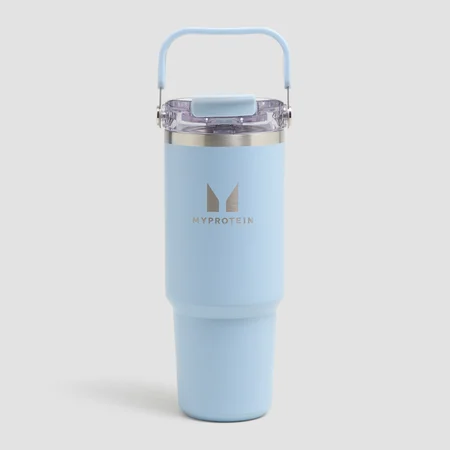
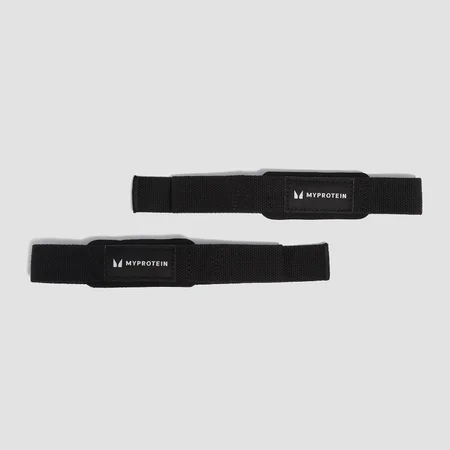
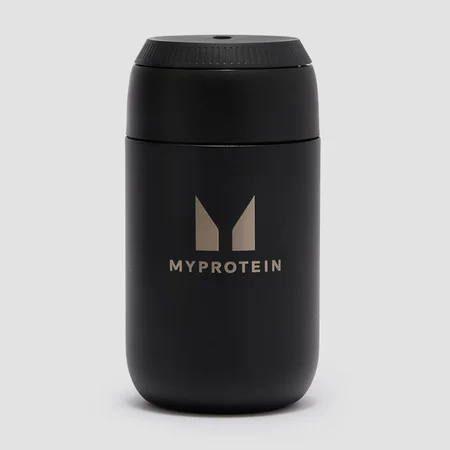
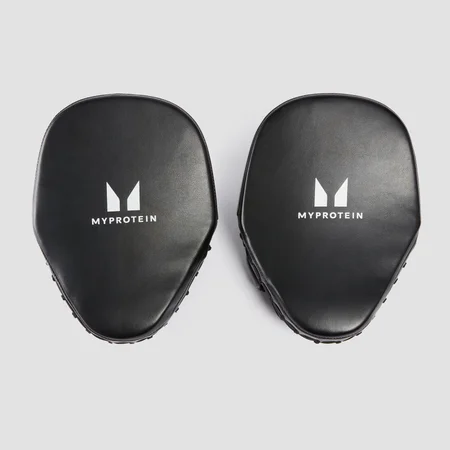
You viewed 28 out of 174
Shop Gym Accessories at Myprotein
The right gym gear makes all the difference between an average workout and a great one. From shakers that mix your protein smoothly to bottles that keep your water ice-cold, accessories are the unsung heroes of your training routine.
Whether you're prepping meals for the week, organising supplements for travel, or just need a reliable bag that won't let you down, having quality accessories means less hassle and more focus on what matters. Simple tools, smartly designed.
Who These Are For
Anyone serious about their training knows that organisation is half the battle. Gym-goers who meal prep, track their supplements, or train multiple times a day need accessories that work as hard as they do. Forget flimsy plastic that cracks after a month.
These aren't just for athletes either. If you're commuting to work with shakes in tow, heading to yoga with your essentials, or simply want to keep your nutrition routine organised at home, proper accessories make life easier. Function meets everyday practicality.
When to Use Gym Accessories
Quality accessories earn their place in your daily routine. Pack your gym bag the night before with a clean shaker and filled pill box. Keep a spare bottle at your desk for staying hydrated between meetings. Throw a mini backpack in your locker for post-workout essentials.
Meal prep becomes simpler with the right containers. Mix your pre-workout in a proper shaker that won't leak in your car. Store your supplements in organisers that actually fit in your bag. Small upgrades to your kit compound over weeks and months of consistent training.
Gym Accessories Benefits
Built to Last
Cheap accessories break, leak, or crack when you need them most. Durable materials and proper construction mean your shakers survive dishwashers, your bottles don't dent, and your bags hold up to daily wear. Quality pays for itself.
Proper Organisation
Fumbling through bags for supplements or dealing with messy protein spills wastes time and energy. Compartmentalised storage, secure closures, and smart design keep everything in its place. Grab what you need, when you need it.
Hygiene and Convenience
Accessories designed for supplements and nutrition need to be easy to clean and maintain. Dishwasher-safe shakers, wide-mouth bottles, and materials that don't harbour odours mean your gear stays fresh. Less scrubbing, more training.
Training-Ready Design
From shakers with mixing balls that actually work to bottles that fit in cup holders, these accessories are designed around real-world use. They're built for people who mix shakes daily, carry supplements everywhere, and need gear that performs without fuss.
Popular Picks
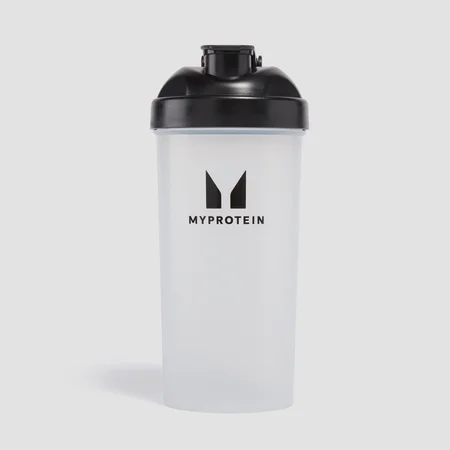
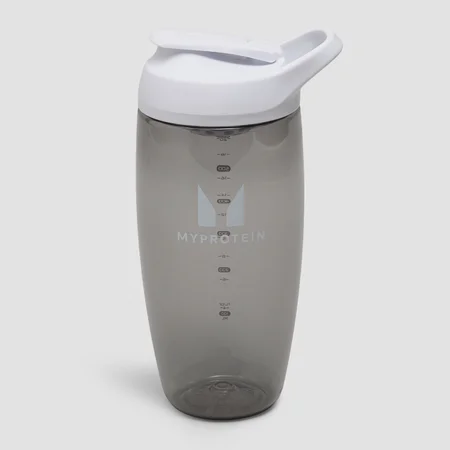
Need a reliable mixing solution? Myprotein Plastic Shaker - Clear/Black - The classic shaker that mixes protein smoothly every time. Durable BPA-free plastic with measurement markings and a secure screw-top lid that won't leak in your bag.
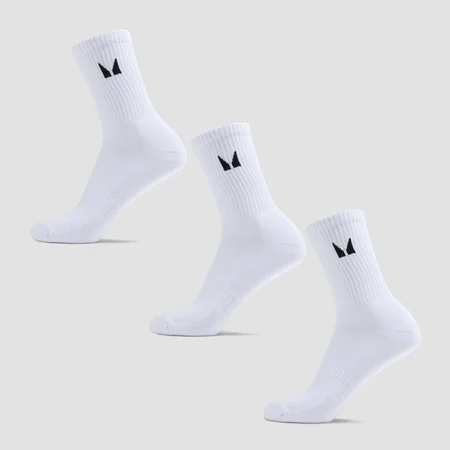
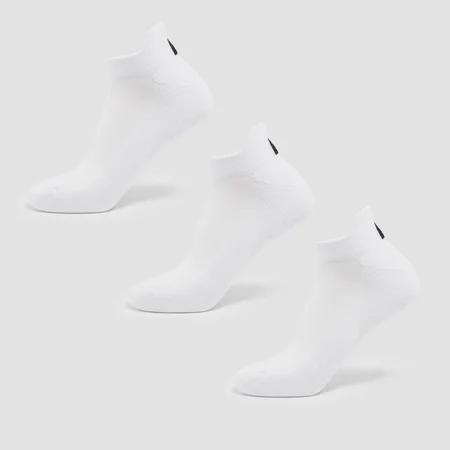
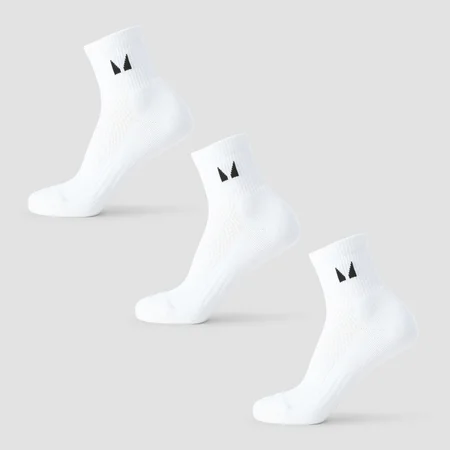
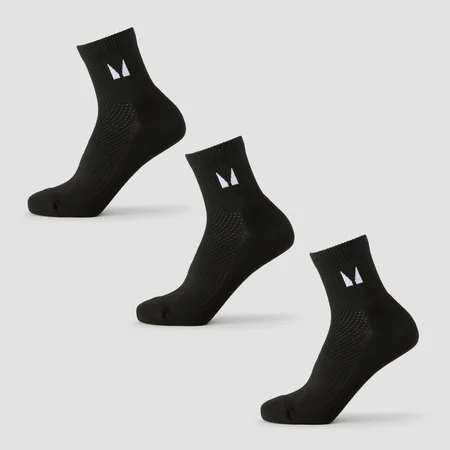
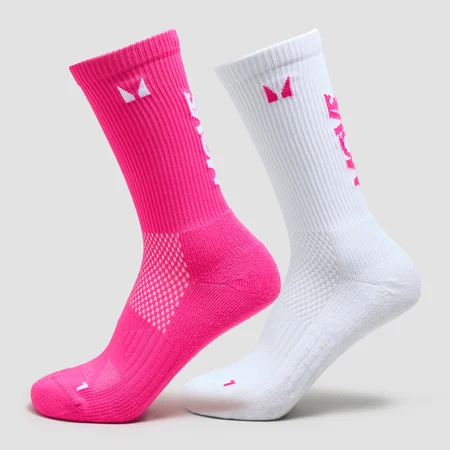
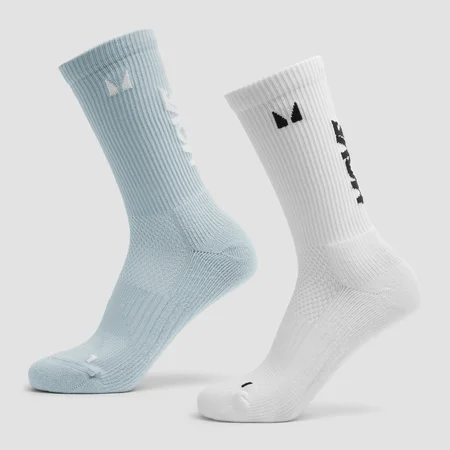
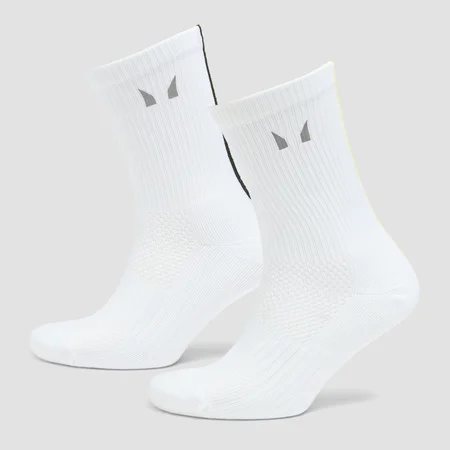
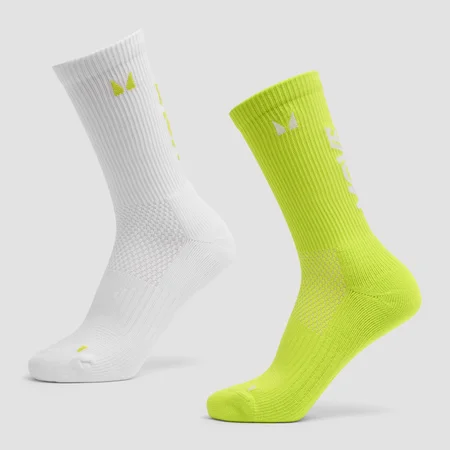
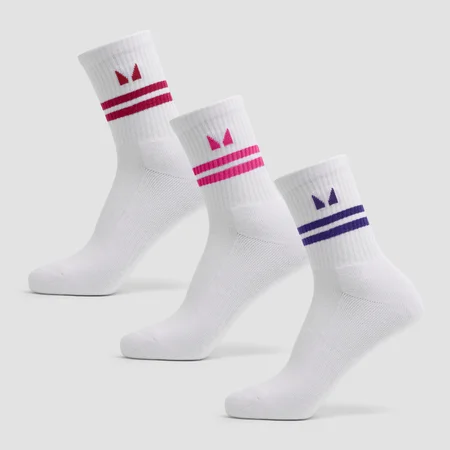
Looking for training essentials? MP Unisex Crew Socks (3 Pack) - White - Comfortable crew socks designed for gym sessions and everyday wear. Three-pack value means you've always got a fresh pair ready.
Want portable storage? MP Mini Backpack - Black - Compact backpack that carries your essentials without the bulk. Perfect for quick gym sessions or keeping supplements and accessories organised on the go.
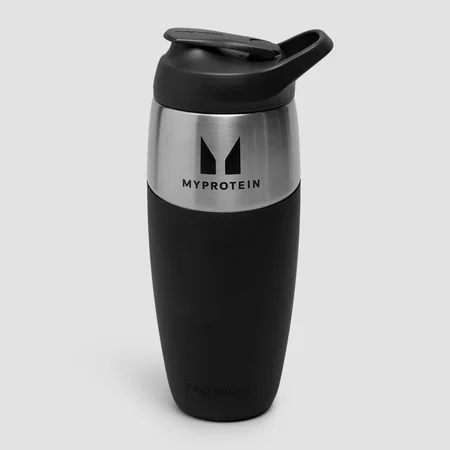
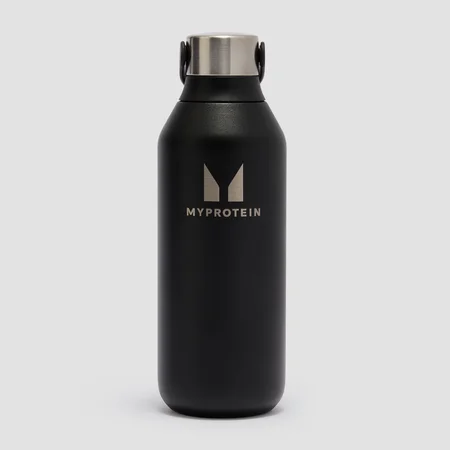
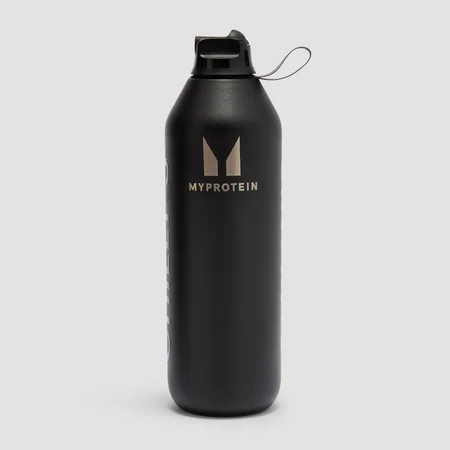
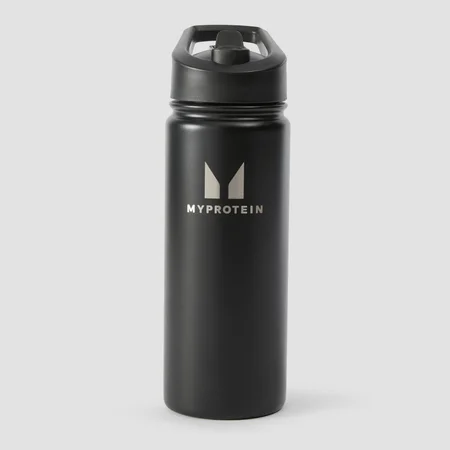
After a premium hydration option? Myprotein x Promixx Single Wall Metal Bottle 950ml - Stealth Black - Metal construction with 950ml capacity for serious hydration during long training sessions. Sleek design that's built to withstand daily use.
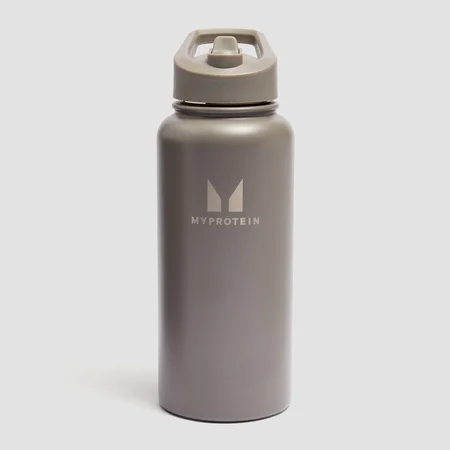
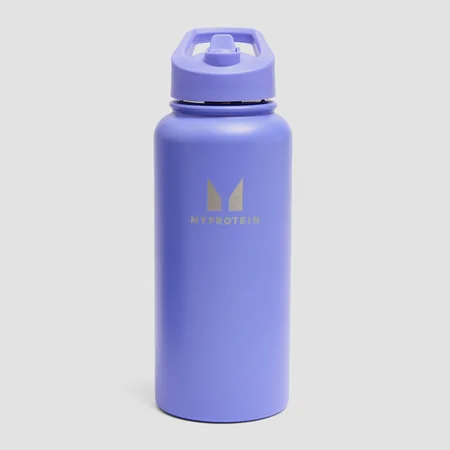
Prefer sustainable options? Myprotein Recycled Metal Top Handle Straw Bottle 900ml - Baby Blue - Made from recycled materials with a convenient straw and top handle. The 900ml capacity keeps you hydrated whilst reducing environmental impact.
FAQs
What are gym accessories?
Gym accessories are practical items that support your training and nutrition routine. This includes shakers for mixing protein, water bottles for hydration, bags for carrying gear, and organisers for supplements. They're designed to make your fitness lifestyle more convenient and organised.
Quality accessories handle daily use without breaking down. From leak-proof lids to durable materials that survive being thrown in gym bags, these tools are built for people who train consistently.
Which accessories do I actually need?
A good shaker is essential if you drink protein or mix any powdered supplements. Beyond that, it depends on your routine. People who train away from home benefit from a reliable water bottle and a bag that fits their gear comfortably.
Supplement organisers make sense if you're taking multiple products throughout the day. Meal prep containers matter if you're tracking nutrition closely. Start with the basics and add what genuinely improves your daily routine.
How do I choose the right shaker?
Look for durable, BPA-free plastic with secure closures that won't leak mid-commute. Measurement markings help with portion control. A mixing ball or grid ensures smooth shakes without clumps.
Capacity matters too. Standard 600-700ml shakers work for most protein servings, whilst larger options suit people mixing mass gainers or multiple scoops. Dishwasher-safe designs save time on cleaning.
What's the difference between plastic and metal bottles?
Plastic bottles are lightweight and affordable, making them practical for everyday gym use. They're typically transparent so you can see liquid levels, and most are dishwasher-safe.
Metal bottles are more durable and often better at maintaining temperature. They're ideal if you want cold water during long sessions or prefer a premium feel. Both materials work well when properly manufactured with quality closures.
How should I clean my accessories?
Most shakers and bottles are dishwasher-safe, which is the easiest method. If washing by hand, rinse immediately after use to prevent protein residue from drying. Use warm soapy water and a bottle brush for thorough cleaning.
Let everything air dry completely before storing to prevent odours. For shakers used daily, a quick rinse straight after drinking keeps them fresh. Deep clean weekly with baking soda if any smells develop.
Can I use shakers for drinks other than protein?
Absolutely. Shakers work well for pre-workout mixes, BCAAs, greens powders, or even just mixing fruit squash. The mixing mechanism ensures even distribution of any powdered supplement.
Some people use them for meal replacement shakes, weight gainers, or even homemade smoothies when blenders aren't available. Just clean thoroughly between different products to avoid flavour transfer.
Who develops Myprotein accessories?
Myprotein's expert team designs accessories based on real feedback from customers who train regularly. They understand what works in actual gym bags, what survives daily washing, and what features matter when you're mixing shakes multiple times per day.
The focus is on practical design that solves common problems like leaking lids, difficult cleaning, or flimsy construction. These aren't fashion items – they're functional tools built for consistent use.
What size water bottle should I get?
For standard gym sessions lasting an hour or so, 600-750ml bottles provide adequate hydration. Longer training sessions or high-intensity workouts benefit from 900ml-1 litre capacity.
Consider where you'll use it too. Larger bottles don't always fit in car cup holders or bike cages. If you're cycling or driving to the gym, check dimensions. For home or static gym use, bigger is usually better.
Are recycled materials as durable as new materials?
Modern recycled materials perform just as well as virgin materials when properly manufactured. Recycled metal bottles maintain the same strength and durability whilst reducing environmental impact.
The manufacturing process for quality recycled products meets the same standards as traditional materials. You get functional, long-lasting accessories without compromising on performance.
How do I organise supplements for travel or work?
Pill organisers with multiple compartments let you portion out daily supplements in advance. This prevents carrying full tubs and makes it easy to grab what you need each day.
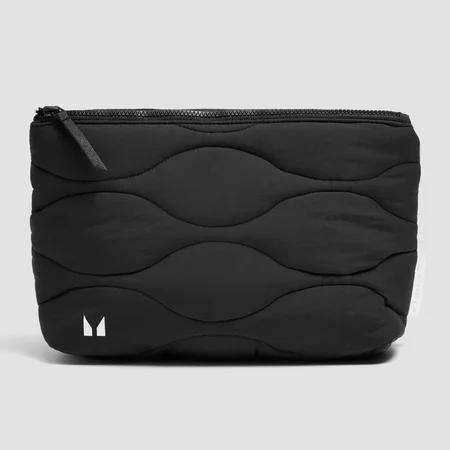
Small bags or pouches keep powder sachets together in larger gym bags. Pre-measured servings in zip bags work for short trips. The key is reducing bulk whilst keeping everything accessible and clearly labelled.