Vitamins & Supplements for Men
25 Results





















Shop Vitamins & Supplements for Men at Myprotein
Your body has specific nutritional demands that change with training intensity, lifestyle, and daily stress. Getting everything you need from diet alone can be challenging when juggling work, training, and recovery. That's where targeted supplementation makes sense.
From comprehensive multivitamins to individual nutrients like zinc, magnesium, and vitamin D, this range gives you the flexibility to build a stack that fits your needs. Whether you're looking for broad-spectrum coverage or specific nutrients, you'll find options in convenient tablets, capsules, and powder formats.
Who These Are For
These supplements suit anyone looking to add specific vitamins and minerals to their nutrition plan. From gym regulars to busy professionals, the range covers different lifestyles and training approaches. Active individuals often have higher nutritional demands, making supplementation a practical addition to a balanced diet.
The selection includes both multivitamin formulas for comprehensive support and individual nutrients for targeted supplementation. Choose based on your diet, training volume, and what you're already getting from food. Many people find a combination approach works best, pairing a multivitamin base with specific nutrients they want to focus on.
When to Use Vitamins & Supplements for Men
Most people take multivitamins with breakfast or their first meal of the day for consistency. Fat-soluble vitamins like D, E, A, and K absorb better when consumed with food containing some dietary fat. Water-soluble vitamins like B and C can be taken at any time, though many prefer morning dosing to establish a routine.
Individual minerals like magnesium are often taken in the evening, whilst others work well split across the day. Check the label for specific guidance, as some nutrients have optimal timing windows. The key is finding a schedule you'll stick to consistently, as regular intake matters more than perfect timing.
Vitamins & Supplements for Men Benefits
Comprehensive Nutritional Coverage
Multivitamin formulas deliver a broad spectrum of essential vitamins and minerals in one convenient dose. They fill nutritional gaps that might exist in your regular diet, particularly if you're restricting calories or following a specific eating pattern. This approach provides a nutritional foundation without needing multiple individual supplements.
Support for Immune Function
Key nutrients like vitamin C, vitamin D, vitamin B6, vitamin B12, and vitamin A contribute to the normal function of the immune system1,2,3,4,5. These vitamins play important roles in maintaining your body's natural defences. Many formulations combine several of these nutrients for comprehensive immune support.
Energy-Yielding Metabolism
B vitamins including riboflavin, vitamin B6, and vitamin B12 contribute to normal energy-yielding metabolism6,7,8. Magnesium also contributes to normal energy-yielding metabolism and helps reduce tiredness and fatigue9,10. These nutrients support the biochemical processes that convert food into usable energy.
Bone and Muscle Function
Calcium and vitamin D are needed for the maintenance of normal bones, whilst vitamin D also contributes to the maintenance of normal muscle function11,12,13. Magnesium contributes to normal muscle function and the maintenance of normal bones14,15. These nutrients work together to support your skeletal and muscular systems.
Popular Picks
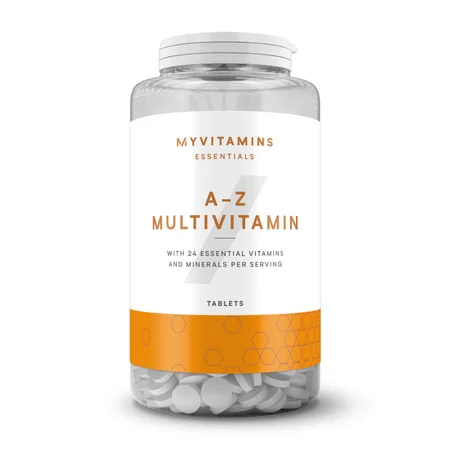
Need broad-spectrum coverage? A-Z Multivitamin | Tablets or Capsules delivers 19 essential vitamins and minerals in one daily dose. This comprehensive formula covers the fundamentals without requiring multiple bottles cluttering your kitchen.
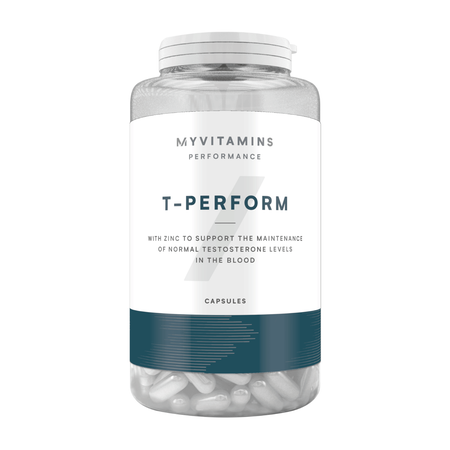
Looking for gender-specific support? Multivitamins for Men combines vitamins and minerals formulated with male nutritional needs in mind. The blend includes zinc, which contributes to the maintenance of normal testosterone levels in the blood16, alongside other essential nutrients.
Want to focus on bone and muscle health? Calcium & Magnesium Tablets pair two minerals that work in tandem throughout your body. Calcium contributes to normal muscle function and is needed for the maintenance of normal bones, whilst magnesium contributes to normal muscle function and the maintenance of normal bones17,18,19,20.
Following a low-carb approach? Carb Metaboliser contains chromium, which contributes to normal macronutrient metabolism and the maintenance of normal blood glucose levels21,22. The formula combines this essential mineral with supporting ingredients for convenient daily use.
Interested in collagen supplementation? Coconut & Collagen Capsules provide type I and III collagen in an easy-to-take capsule format. These structural proteins are abundant in connective tissues throughout the body and are conveniently packaged for on-the-go supplementation.
FAQs
What are vitamins and supplements for men?
These are nutritional products containing vitamins, minerals, and other nutrients formulated to complement a balanced diet. The range includes multivitamin formulas providing comprehensive coverage of essential micronutrients, alongside individual vitamins and minerals for targeted supplementation.
Products come in various formats including tablets, capsules, and powders. Some formulas are designed specifically with male nutritional needs in mind, whilst others provide general nutritional support suitable for anyone.
How do men's vitamins differ from general multivitamins?
Men's formulas often include nutrients at levels reflecting male-specific nutritional requirements. They typically contain zinc, which contributes to the maintenance of normal testosterone levels in the blood16, and may adjust the ratios of other minerals like iron compared to women's formulations.
The core vitamins remain similar across formulations, but gender-specific products account for differences in recommended daily amounts. General multivitamins work perfectly well for most people, whilst targeted formulas offer an alternative for those wanting gender-specific ratios.
Which vitamins and minerals are most important for active men?
Vitamin D contributes to the maintenance of normal muscle function and normal bones12,13, making it particularly relevant for those training regularly. Magnesium contributes to normal muscle function, electrolyte balance, and reduction of tiredness and fatigue14,23,10. Zinc contributes to normal protein synthesis and the maintenance of normal testosterone levels24,16.
B vitamins including B6, B12, and riboflavin contribute to normal energy-yielding metabolism and reduction of tiredness and fatigue7,8,25,6,26. Vitamin C contributes to the normal function of the immune system during and after intense physical exercise27. Individual needs vary based on diet, training volume, and lifestyle factors.
How should I take vitamin and mineral supplements?
Most multivitamins are taken once daily with food, typically with breakfast to establish a consistent routine. Fat-soluble vitamins absorb better when consumed with meals containing some dietary fat. Follow the serving size on your specific product label, as formulations vary in concentration.
Some people prefer splitting doses throughout the day for individual minerals, particularly if taking higher amounts. Consistency matters more than perfect timing, so choose a schedule that fits naturally into your daily routine.
Can I take multiple vitamin and mineral supplements together?
Many people combine a multivitamin base with additional individual nutrients like vitamin D or magnesium. Check the amounts in each product to avoid unnecessarily high intakes of nutrients you're already getting from your multivitamin. The upper limits for vitamins and minerals are well established, but there's no benefit to exceeding recommended amounts.
If you're taking several individual supplements, ensure your total intake from all sources stays within guidance levels. Read labels carefully and consider whether a comprehensive multivitamin might simplify your routine whilst delivering what you need.
What format works best for vitamin supplements?
Tablets and capsules offer convenience and precise dosing, with long shelf lives and easy portability. They're ideal for taking on the go and don't require measuring or mixing. Capsules may be easier to swallow for some people, whilst tablets often allow for higher nutrient concentrations in a single dose.
Powder formats provide flexibility in dosing and can be mixed into drinks or smoothies. They're useful if you prefer not to swallow tablets or want to adjust serving sizes. Choose based on your preferences and lifestyle, as all formats deliver the nutrients effectively when taken consistently.
How long does it take to see results from vitamin supplementation?
Some water-soluble vitamins like B vitamins are used by the body within hours, though you won't necessarily notice immediate effects. Building optimal nutrient levels for vitamins like D can take several weeks of consistent supplementation, particularly if you're starting from low levels.
Vitamins work behind the scenes supporting normal physiological functions rather than producing dramatic noticeable changes. Consistency over weeks and months matters more than short-term supplementation. Think of them as nutritional insurance rather than quick fixes.
Who develops the vitamin and supplement formulations?
Myprotein's expert nutritionists develop these formulations based on nutritional science and customer needs. They select nutrients, determine appropriate amounts, and create combinations that make practical sense for different goals and lifestyles.
The team stays current with nutritional research and regulation to ensure products meet quality standards and provide relevant nutrient profiles. Formulations are designed to complement balanced diets and active lifestyles.
Should I take vitamins every day or cycle them?
Daily supplementation maintains consistent nutrient levels and makes more sense for most vitamins and minerals. Your body uses water-soluble vitamins like B and C continuously and doesn't store large reserves, so regular intake supports optimal function.
Fat-soluble vitamins like D, E, A, and K are stored in body tissues, but daily supplementation at recommended amounts is still the standard approach. Cycling isn't necessary for vitamin and mineral supplements when taken at appropriate doses. Consistency typically produces better results than intermittent supplementation.
Can I get everything I need from diet alone?
A varied, balanced diet rich in whole foods provides most essential nutrients for many people. However, certain vitamins like D can be challenging to obtain in sufficient amounts from UK diet and sunlight exposure alone, particularly during winter months.
Active individuals, those following restricted diets, or people with limited food variety may find supplementation helps meet their nutritional needs. Consider your diet, lifestyle, and training demands when deciding whether supplementation makes sense for you. Supplements complement rather than replace a balanced diet.
1. Vitamin C contributes to the normal function of the immune system.
2. Vitamin D contributes to the normal function of the immune system.
3. Vitamin B6 contributes to the normal function of the immune system.
4. Vitamin B12 contributes to the normal function of the immune system.
5. Vitamin A contributes to the normal function of the immune system.
6. Riboflavin contributes to normal energy-yielding metabolism.
7. Vitamin B6 contributes to normal energy-yielding metabolism.
8. Vitamin B12 contributes to normal energy-yielding metabolism.
9. Magnesium contributes to normal energy-yielding metabolism.
10. Magnesium contributes to a reduction of tiredness and fatigue.
11. Calcium is needed for the maintenance of normal bones.
12. Vitamin D contributes to the maintenance of normal bones.
13. Vitamin D contributes to the maintenance of normal muscle function.
14. Magnesium contributes to normal muscle function.
15. Magnesium contributes to the maintenance of normal bones.
16. Zinc contributes to the maintenance of normal testosterone levels in the blood.
17. Calcium contributes to normal muscle function.
18. Calcium is needed for the maintenance of normal bones.
19. Magnesium contributes to normal muscle function.
20. Magnesium contributes to the maintenance of normal bones.
21. Chromium contributes to normal macronutrient metabolism.
22. Chromium contributes to the maintenance of normal blood glucose levels.
23. Magnesium contributes to electrolyte balance.
24. Zinc contributes to normal protein synthesis.
25. Vitamin B6 contributes to the reduction of tiredness and fatigue.
26. Riboflavin contributes to the reduction of tiredness and fatigue.
27. Vitamin C contributes to maintain the normal function of the immune system during and after intense physical exercise.