Vegan Vitamins
On a plant-based diet and looking for ways to increase your intake of vitamins and minerals? Look at our wide variety of vegan vitamins and find the best supplement for you.
If you are looking for a fuss-free daily tablet crammed with over 20 vitamins and minerals, why not try out our Vegan A-Z Multivitamin? Or if you want a tablet that supports normal muscle function, try out our Vegan Vitamin D3 today.
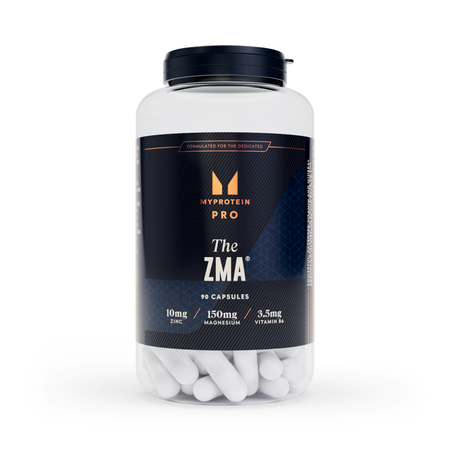
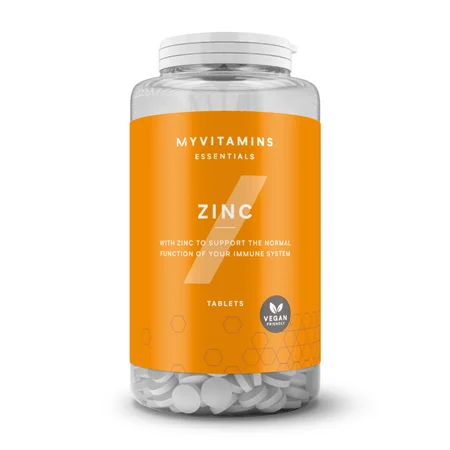
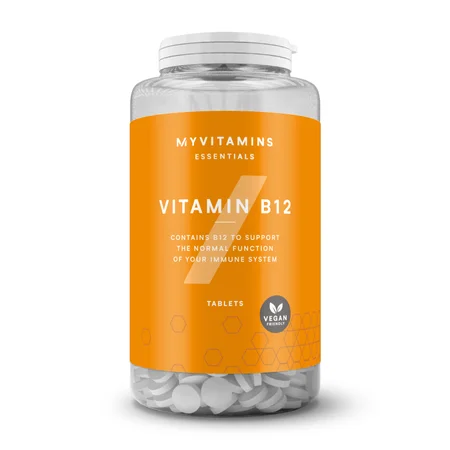
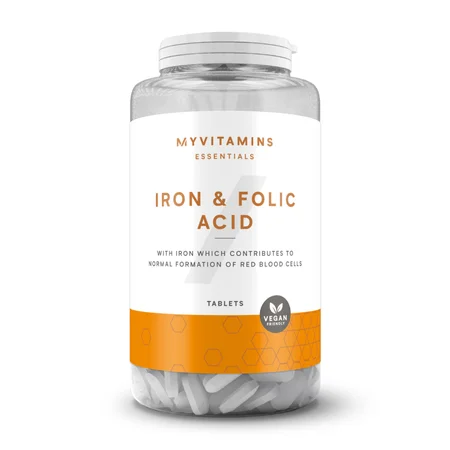
Shop Vegan Vitamins at Myprotein
Following a plant-based diet takes planning, and some nutrients require extra attention. Vegan Vitamins fill the gaps that can appear when you're avoiding animal products, delivering the essentials your body needs in formats that align with your values.
From B12 and iron to calcium and zinc, this range covers the nutrients that plant-based eaters often need to supplement. Each product is formulated without animal-derived ingredients, giving you confidence that what you're taking matches how you eat.
Who Vegan Vitamins Are For
Anyone following a vegan or plant-based diet will find value here. Whether you're new to veganism or have been eating this way for years, certain nutrients are harder to get from plants alone. These supplements bridge that gap without compromise.
Athletes and active individuals on plant-based diets have specific needs too. Training demands more from your body, and ensuring you're getting adequate vitamins and minerals becomes even more important when your food choices are selective.
When to Use Vegan Vitamins
Most people take these with meals to make them part of their daily routine. Taking vitamins alongside food can also help with absorption for certain nutrients. Pick a time that works for you and stick with it.
Some nutrients work better at specific times. Iron is often taken in the morning, while magnesium and zinc might fit better into your evening routine. Check individual product guidance and build a schedule that suits your lifestyle.
Vegan Vitamins Benefits
Fills Nutritional Gaps
Plant-based diets offer incredible variety, but certain nutrients remain elusive. B12 doesn't naturally occur in plant foods, while iron from plants isn't absorbed as efficiently as the type found in meat. Supplementing ensures you're covered.
Supports Your Training
Zinc contributes to normal protein synthesis1 and has a role in cell division2. Magnesium contributes to normal muscle function3 and normal protein synthesis4. These processes matter when you're pushing your body hard.
Maintains Energy Levels
Vitamin B12 contributes to the reduction of tiredness and fatigue5 and normal energy-yielding metabolism6. Iron contributes to the reduction of tiredness and fatigue7 and normal oxygen transport in the body8. When your diet restricts certain food groups, maintaining these nutrients becomes essential.
Keeps Immune Function Normal
Vitamin D contributes to the normal function of the immune system9, as do zinc10, vitamin B1211, and iron12. Getting these nutrients consistently matters for maintaining your body's natural defences.
Popular Picks
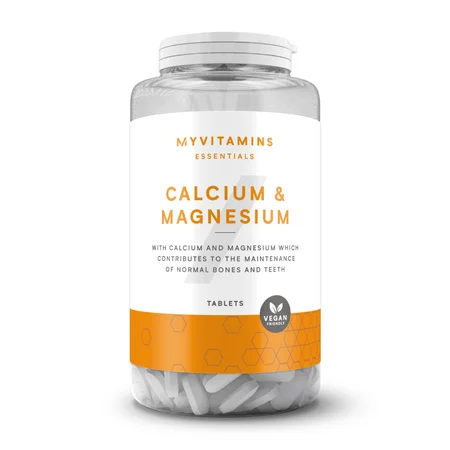
Looking for targeted mineral support? Zinc Tablets - This pairing provides 800mg of calcium and 400mg of magnesium. Calcium is needed for the maintenance of normal bones21, while magnesium contributes to the maintenance of normal bones22 and teeth23.
FAQs
What are vegan vitamins?
Vegan vitamins are supplements formulated without any animal-derived ingredients. They provide essential nutrients that can be difficult to obtain from a plant-based diet alone, such as vitamin B12, iron, zinc, calcium, and vitamin D.
Unlike standard supplements that might use animal sources like gelatin capsules or lanolin-derived vitamin D, these products use plant-based or synthetic alternatives that align with vegan principles.
Which vitamins do vegans commonly need to supplement?
Vitamin B12 is the most critical, as it's not naturally found in plant foods. Iron often requires attention too, since plant-based iron (non-haem iron) is absorbed less efficiently than the type found in meat.
Vitamin D, zinc, calcium, and iodine are other nutrients that plant-based eaters frequently monitor. The specific vitamins you need depend on your individual diet, but these are the most common considerations.
How do vegan vitamins differ from standard supplements?
The key difference lies in sourcing and formulation. Vegan vitamins avoid animal-derived ingredients entirely. This means no gelatin capsules, no vitamin D3 from lanolin, and no omega-3s from fish oil.
Instead, these supplements use plant-based alternatives or synthetic versions of nutrients. Capsules might be made from cellulose, vitamin D could come from lichen, and omega-3s from algae. The nutritional value remains the same, just sourced differently.
When should I take vegan vitamins?
Most people take them with meals as part of their daily routine. This approach helps with consistency and can improve absorption for certain nutrients. Iron is often taken in the morning, while magnesium and zinc might work better in the evening.
The timing matters less than the consistency. Pick a schedule that you'll actually stick to, and follow the dosage guidance on each product.
Can I take multiple vegan vitamins together?
Yes, many people combine different supplements to cover their nutritional bases. However, pay attention to overlapping nutrients. If you're taking a multivitamin plus individual supplements, you might be duplicating certain vitamins or minerals.
Check the dosages on each product to avoid excessive intake of any single nutrient. Space out iron and calcium supplements if you're taking both, as calcium can interfere with iron absorption.
Are vegan vitamins suitable for athletes?
Absolutely. Athletes following plant-based diets have the same nutritional needs as anyone else training hard, sometimes more. Zinc contributes to normal protein synthesis1, while magnesium contributes to normal muscle function3 and electrolyte balance24.
Iron contributes to normal oxygen transport8, which matters for endurance and performance. Vitamin B12 contributes to normal energy-yielding metabolism6. These nutrients support the demands of regular training.
Who developed these vegan vitamins?
Myprotein's expert nutritionists formulated this range, focusing on the nutrients that plant-based eaters most commonly need. Each product is designed to deliver effective doses in formats that fit with vegan values.
The team considers both nutritional science and practical usage, creating supplements that are straightforward to incorporate into your daily routine.
How do I know which vegan vitamins I need?
Start by looking at your diet. Track what you eat for a week and identify potential gaps. B12 is non-negotiable for vegans since it's absent from plant foods. If you're not eating fortified foods regularly, you'll need to supplement it.
Iron, calcium, zinc, and vitamin D are the next priorities to assess. Consider your sun exposure for vitamin D, your intake of leafy greens and fortified plant milks for calcium, and your consumption of legumes and seeds for iron and zinc. Supplement where you're falling short.
What format do vegan vitamins come in?
The range includes tablets and capsules, giving you options based on preference. Tablets are typically smaller and easier to swallow, while capsules can be opened and mixed into food or drinks if needed.
All formats are designed to be vegan-friendly, using plant-based materials instead of animal-derived capsules or coatings.
Can vegan vitamins be taken long-term?
Yes, many people take these supplements continuously as part of maintaining a plant-based diet. Nutrients like B12 and vitamin D are often supplemented indefinitely by vegans, as they're difficult to obtain adequately from food alone.
Following the recommended dosages keeps your intake within safe ranges. These products are formulated for regular, ongoing use rather than short-term supplementation.
1. Zinc contributes to normal protein synthesis.
2. Zinc has a role in the process of cell division.
3. Magnesium contributes to normal muscle function.
4. Magnesium contributes to normal protein synthesis.
5. Vitamin B12 contributes to the reduction of tiredness and fatigue.
6. Vitamin B12 contributes to normal energy-yielding metabolism.
7. Iron contributes to the reduction of tiredness and fatigue.
8. Iron contributes to normal oxygen transport in the body.
9. Vitamin D contributes to the normal function of the immune system.
10. Zinc contributes to the normal function of the immune system.
11. Vitamin B12 contributes to the normal function of the immune system.
12. Iron contributes to the normal function of the immune system.
13. Zinc contributes to normal cognitive function.
14. Zinc contributes to the maintenance of normal skin, hair and nails.
15. Magnesium contributes to a reduction of tiredness and fatigue.
16. Vitamin B6 contributes to normal protein and glycogen metabolism.
17. Iron contributes to normal formation of red blood cells and haemoglobin.
18. Iron contributes to normal cognitive function.
19. Vitamin B12 contributes to normal red blood cell formation.
20. Vitamin B12 contributes to normal functioning of the nervous system.
21. Calcium is needed for the maintenance of normal bones.
22. Magnesium contributes to the maintenance of normal bones.
23. Magnesium contributes to the maintenance of normal teeth.
24. Magnesium contributes to electrolyte balance.