Low Carb Protein Powder
7Results
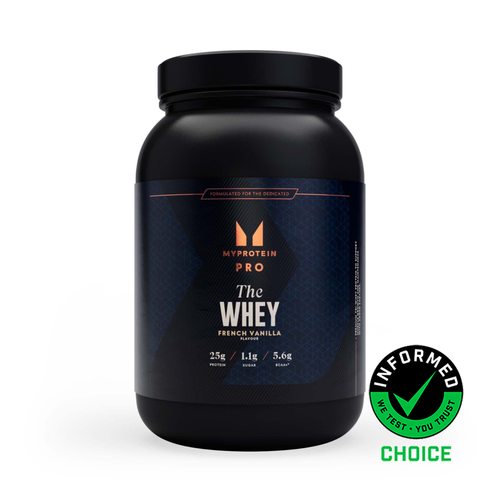
Shop Low Carb Protein Powder at Myprotein
When you're watching your carb intake but still need quality protein, low carb protein powder delivers exactly what you need. These formulas pack in the protein while keeping carbs to a minimum, making them a practical choice for anyone following a lower carb approach to nutrition.
Whether you're training hard, managing your macros, or simply prefer to get your carbs from whole foods, low carb protein powders fit seamlessly into your routine. They provide a convenient way to hit your protein targets without the extra carbohydrates you might not want or need.
Who Low Carb Protein Powders Are For
Anyone keeping an eye on their carbohydrate intake will find these powders useful. That includes people following low carb or ketogenic diets, those tracking macros with specific carb limits, and anyone who prefers to save their carbs for meals rather than shakes.
Athletes and gym-goers watching their overall calorie intake often choose low carb options too. When you're getting carbs from your pre-workout meal or post-workout snack, you don't necessarily need them in your protein shake as well.
When to Use Low Carb Protein Powder
Post-workout is a popular time to take low carb protein powder, especially if you're having a carb-containing meal shortly after training. Mix a scoop with water or milk for a quick protein hit without unnecessary extras.
Between meals or as a convenient snack, low carb protein works well when you need protein but don't want the additional carbs. Many people also use it as part of their breakfast routine, blended into smoothies or stirred into porridge to boost protein content without loading up on carbs.
Low Carb Protein Powder Benefits
High Protein Content
Low carb protein powders typically deliver 20-25g of protein per serving. Protein contributes to the growth and maintenance of muscle mass1, making these powders a practical choice for anyone training regularly or looking to meet higher protein requirements.
Minimal Carbohydrates
With carb counts often below 3g per serving, these powders let you control exactly where your carbs come from. This gives you flexibility to allocate your daily carbs to the foods and meals that matter most to you.
Versatile Usage
Mix low carb protein powder with water for a simple shake, or blend it into recipes where you want extra protein without affecting the carb content. From smoothies to protein pancakes, the low carb profile keeps your macros on track.
Quick Preparation
Ready in seconds, low carb protein powder provides a no-fuss protein source when you're short on time. Just add liquid, shake, and you've got a protein-rich drink without any meal prep required.
Popular Picks
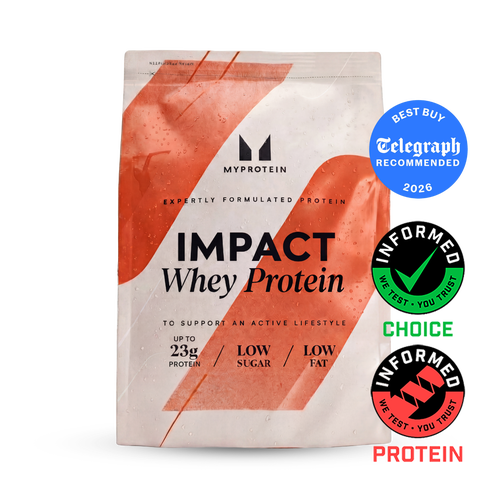
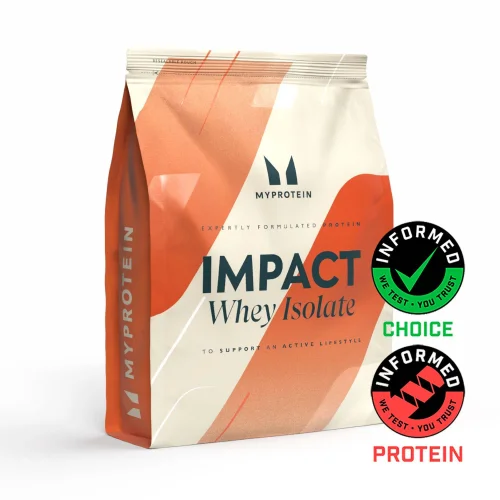
Looking for maximum protein with minimal extras? Impact Whey Protein Powder combines whey isolate and hydrolysed whey for 25g of protein per serving with under 2g of carbs. It includes added enzymes and comes in indulgent flavours without compromising the low carb profile.
FAQs
What makes a protein powder 'low carb'?
Low carb protein powders typically contain fewer than 5g of carbohydrates per serving, with many offering 3g or less. These products focus on delivering high protein content while minimising carbs through filtration processes or careful ingredient selection.
The carb content varies depending on the protein source and processing method. Whey isolate undergoes additional filtration compared to whey concentrate, resulting in lower carbs and fat. Plant-based isolates also go through processing to remove much of the carbohydrate content found in the original plant source.
How do low carb protein powders differ from regular protein powders?
The main difference lies in the processing and formulation. Low carb versions typically use protein isolates rather than concentrates, which means more filtration to remove carbohydrates and fats. Regular protein powders may contain added ingredients like oats, maltodextrin, or other carb sources to create specific macro profiles.
Regular protein powders might offer 5-15g of carbs per serving, while low carb options keep it under 3g. Both provide similar amounts of protein, but the lower carb versions give you more control over your total carbohydrate intake throughout the day.
Can I use low carb protein powder if I'm not following a low carb diet?
Absolutely. Low carb protein powder works for anyone who wants flexibility with their carbohydrate sources. Even if you're not restricting carbs overall, these powders let you add protein to your diet without necessarily adding carbs at the same time.
Many people choose low carb protein simply because they prefer to get their carbohydrates from whole foods rather than shakes. It's about having options and being able to customise your nutrition to suit your preferences and routine.
What's the difference between whey concentrate and whey isolate for low carb diets?
Whey concentrate typically contains 70-80% protein, with the remainder made up of small amounts of fat, carbs, and lactose. Whey isolate undergoes additional processing to achieve 90% protein or higher, significantly reducing the carb and lactose content.
For low carb diets, whey isolate is often the preferred choice because it delivers more protein per serving with fewer carbs. A serving of whey concentrate might contain 3-5g of carbs, while whey isolate typically offers less than 1g, making it easier to stay within strict carb limits.
How should I choose between plant-based and dairy-based low carb protein?
The choice depends on your dietary preferences and how your body responds to different protein sources. Both dairy and plant-based isolates can provide low carb, high protein options when processed correctly.
Whey isolate and whey protein are complete proteins containing all essential amino acids, and they're quickly absorbed. Plant proteins like pea and soy isolate also offer complete amino acid profiles when properly isolated. Consider taste, texture, and any dietary restrictions when making your choice.
When is the best time to take low carb protein powder?
Post-workout is common, particularly if you're planning to eat a carb-containing meal later. Taking low carb protein after training provides protein without adding extra carbs you might not need at that moment.
Between meals, as part of breakfast, or as an evening snack all work well too. The timing depends more on your overall daily protein needs and macro targets than any specific metabolic window. Use it whenever you need protein but want to keep carbs minimal.
Can I mix low carb protein powder with milk?
Yes, though keep in mind that milk contains natural sugars (lactose), which will add carbs to your shake. A 250ml glass of semi-skimmed milk adds around 12g of carbs, so your total carb count for the shake will be the powder's carbs plus the milk's carbs.
If you're keeping carbs very low, try unsweetened almond milk (around 1g of carbs per 250ml) or mix with water instead. This keeps the total carb content close to what's in the powder alone.
Who developed these low carb protein powders?
Myprotein's expert nutritionists developed these formulas, focusing on delivering high quality protein with minimal carbohydrates. The team works to source premium ingredients and refine processing methods to create products that meet specific macro requirements.
Each formula goes through testing and quality checks to ensure it delivers the protein content and low carb profile stated on the label. The nutritionists consider everything from ingredient sourcing to flavour development to create products that work for different dietary approaches.
How much low carb protein powder should I use per serving?
Most low carb protein powders recommend 25-30g per serving, which typically provides 20-25g of protein. You'll find the specific serving size on the product label, along with the exact protein and carb content per serving.
Your total daily protein needs depend on your body weight, activity level, and goals. Many people aim for 1.6-2.2g of protein per kilogram of body weight when training regularly. Low carb protein powder helps you reach that target without adding unwanted carbs to your daily total.
Can I use low carb protein powder in cooking and baking?
Yes, low carb protein powder works well in recipes where you want to increase protein content without adding carbs. Protein pancakes, muffins, smoothies, and protein balls all benefit from the addition of low carb powder.
When baking with protein powder, you may need to adjust liquid ratios as protein powder absorbs more moisture than flour. Start by replacing only part of the flour in recipes, then experiment to find the texture you prefer. Unflavoured or vanilla options tend to be most versatile for cooking.
1. Protein contributes to the growth and maintenance of muscle mass.