Fibre Supplements
Our range of fibre supplements contain only natural fibre, and are available in a variety of super-convenient options — including protein shakes, bars, and tablets.

Shop Fibre Supplements at Myprotein
Getting enough fibre can be a challenge when you're focused on hitting protein targets and managing calories. Modern diets often fall short of the recommended daily intake, leaving a gap that can affect your overall nutrition strategy.
Fibre supplements offer a practical solution. From powders you can blend into shakes to convenient capsules, these products deliver concentrated sources of soluble and insoluble fibre without the bulk of whole foods. Whether you're tracking macros or simply looking to boost your intake, fibre supplements fit seamlessly into your routine.
Who Should Try These
Anyone struggling to meet their daily fibre needs through diet alone will find these supplements useful. Athletes and gym-goers following high-protein diets often prioritise lean proteins and limit carbohydrate sources, which can inadvertently reduce fibre intake. Adding a supplement helps maintain balance without overhauling your meal plan.
These products also suit people with busy lifestyles who don't always have time to prepare fibre-rich meals. Instead of forcing down extra vegetables when you're not hungry, a simple scoop of powder or a few capsules gets the job done efficiently. They're designed for people who want straightforward nutrition without the fuss.
When to Use Fibre Supplements
Timing depends on the type of fibre and your personal routine. Many people prefer taking supplements with their first meal of the day, mixing powders into breakfast shakes or porridge. This establishes consistency and becomes part of your morning ritual alongside other supplements.
Others split their dose throughout the day, adding a serving to different meals or snacks. Capsules offer flexibility here, slotting into any meal without preparation. Whichever approach you choose, staying hydrated matters when increasing fibre intake, so keep your water bottle topped up.
Fibre Supplements Benefits
Convenient Daily Intake
Supplements deliver concentrated fibre without requiring large volumes of food. A single serving can provide a significant portion of your daily target, making it easier to stay consistent even when whole food options are limited.
Versatile Formats
From unflavoured powders that disappear into shakes to capsules you can take on the go, fibre supplements adapt to different lifestyles. Mix them into protein drinks, blend them into smoothies, or swallow them with water between meetings.
Supports Digestive Regularity
Wheat bran fibre contributes to an increase in faecal bulk1, while rye fibre contributes to normal bowel function2. Different fibre types offer different properties, giving you options based on your specific needs and preferences.
Complements High-Protein Diets
When you're prioritising protein for muscle maintenance3, fibre supplements round out your nutrition without adding unwanted calories or carbs. They work alongside your protein powder and other supplements, creating a comprehensive stack.
Popular Picks
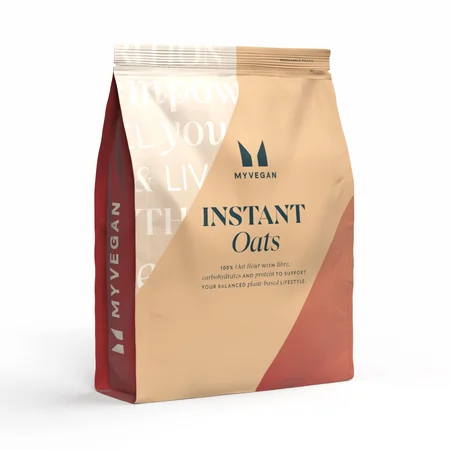
Looking for a versatile carb source? 100% Instant Oats - Milled to a fine powder, these oats mix instantly into shakes and provide oat grain fibre alongside slow-release carbohydrates. Pure, unflavoured, and easy to blend into your pre-workout or breakfast routine.
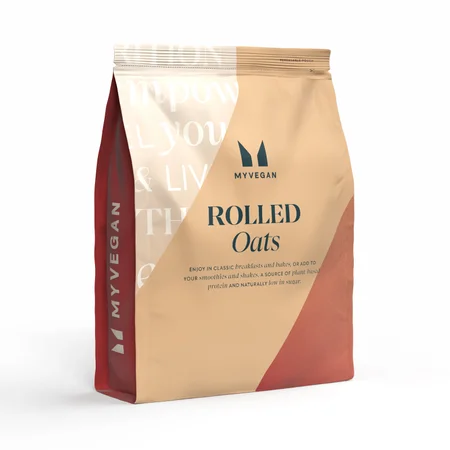
Prefer traditional texture? 100% Rolled Oats - Classic whole oats that deliver sustained energy and natural fibre. Perfect for overnight oats, porridge, or homemade protein bars when you want real food alongside your supplements.
Want concentrated greens? Green Superfoods - A blend of spirulina, chlorella, wheatgrass, and barley grass packed into an easy powder. Mix it into juice or smoothies for a quick hit of plant-based nutrition without the shopping and chopping.
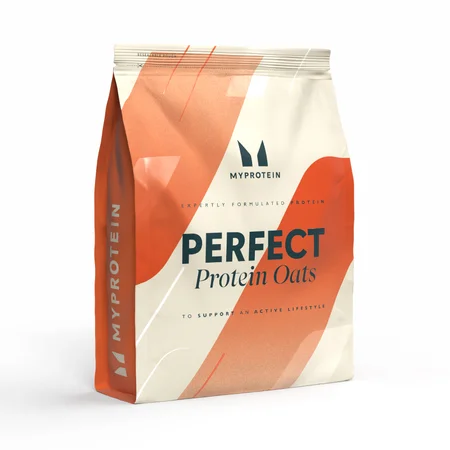
Need protein and fibre together? Protein Oats - Combines quality protein with whole grain oats in one convenient product. Just add water for a balanced breakfast or snack that delivers both macros efficiently.
Looking for omega-3 plant sources? 100% Flax Seed Powder - Finely milled flaxseed that mixes easily into shakes, yoghurt, or porridge. Provides both fibre and plant-based fats without altering the taste of your favourite meals.
FAQs
What are fibre supplements?
Fibre supplements are concentrated sources of dietary fibre available in powders, capsules, or tablets. They provide soluble or insoluble fibre derived from sources like oats, wheat bran, psyllium husk, or inulin.
These products offer a practical way to increase your daily fibre intake without consuming large quantities of whole foods. They're designed to complement your existing diet, filling the gap when meals fall short of the recommended intake.
What types of fibre supplements are available?
You'll find several types based on the fibre source. Oat fibre products deliver beta-glucans and grain fibre, while wheat bran provides insoluble fibre known for its effects on intestinal transit4. Psyllium husk offers high soluble fibre content, and inulin comes from chicory root.
Formats vary too. Powders work well mixed into shakes and smoothies, while capsules offer grab-and-go convenience. Some products combine multiple fibre sources for a broader spectrum of benefits.
How do fibre supplements differ from whole food sources?
Whole foods provide fibre alongside vitamins, minerals, and other nutrients. Fibre supplements isolate and concentrate the fibre component, delivering higher amounts per serving without the additional calories or macros from complete foods.
Supplements offer convenience and consistency. Hitting 30g of fibre daily through food alone requires substantial portions of vegetables, fruits, and grains. A supplement provides a measured dose that's easy to track and doesn't depend on meal planning or food availability.
How much fibre should I take daily?
UK guidelines recommend around 30g of fibre per day for adults. Most people consume significantly less, averaging closer to 18-20g. Fibre supplements can help bridge this gap, but the exact amount you need from supplements depends on your current dietary intake.
Start with a smaller dose and increase gradually. This approach lets your system adjust and helps you find the right amount for your individual needs. Check product labels for serving sizes and follow the recommended usage.
Can I take fibre supplements with protein powder?
Absolutely. Mixing fibre powder into your protein shake creates a more complete nutritional profile. The combination delivers both protein for muscle maintenance3 and fibre in one convenient drink.
This pairing works particularly well for people following high-protein diets who might otherwise struggle to get adequate fibre. Just ensure you're drinking enough water throughout the day to support proper hydration.
When should I take fibre supplements?
Timing is flexible and depends on your routine. Many people add fibre powder to their morning shake or porridge, establishing consistency as part of breakfast. Others prefer spreading their intake across multiple meals.
Capsules can be taken with any meal. The key is finding a pattern you'll stick to long-term. Consistent daily intake matters more than precise timing.
Who developed these fibre supplements?
Myprotein's expert nutritionists formulate these products based on nutritional science and customer needs. The team selects quality fibre sources and develops formats that integrate easily into active lifestyles.
Each product undergoes rigorous quality testing to ensure it meets the standards you'd expect from a sports nutrition brand. The focus remains on delivering effective, straightforward supplements without unnecessary additives.
What's the difference between soluble and insoluble fibre?
Soluble fibre dissolves in water, forming a gel-like substance. Sources include oat beta-glucans, psyllium husk, and inulin. This type of fibre has been studied for various properties including effects on blood glucose when consumed as part of meals5.
Insoluble fibre doesn't dissolve in water. Wheat bran is a prime example, contributing to increased faecal bulk1 and accelerated intestinal transit4. Most people benefit from consuming both types, which is why some supplements combine multiple fibre sources.
How do I choose the right fibre supplement?
Consider your lifestyle and preferences first. Powders offer versatility for mixing into shakes, smoothies, or food, while capsules provide convenience when you're short on time. Think about what you'll actually use consistently.
Look at the fibre source too. Oat fibre delivers beta-glucans, wheat bran provides specific properties related to intestinal transit4, and psyllium offers high soluble fibre content. Your choice might depend on whether you want soluble, insoluble, or a combination of both.
Can I use fibre supplements alongside other supplements?
Yes, fibre supplements work well as part of a broader supplement stack. They complement protein powders, creatine, vitamins, and other products without causing conflicts. Many people build a daily routine that includes multiple supplements taken at different times.
Just maintain proper spacing if you're taking multiple products. Some people prefer fibre with meals and other supplements between meals, but this varies by individual preference and specific products being used.
1. Wheat bran fibre contributes to an increase in faecal bulk.
2. Rye fibre contributes to normal bowel function.
3. Protein contributes to the maintenance of muscle mass.
4. Wheat bran fibre contributes to an acceleration of intestinal transit.
5. Consumption of beta-glucans from oats or barley as part of a meal contributes to the reduction of the blood glucose rise after that meal.