Ultramarathon Guide
Ultramarathon running demands sustained aerobic endurance and mental resilience. From the starting line to the final mile, smart nutrition helps you maintain energy, stay hydrated, and recover effectively. This mini guide breaks ultramarathon fuelling into three simple stages to help you perform at your peak throughout the race.
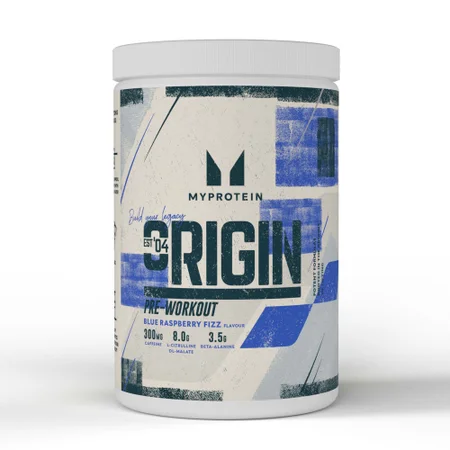
Origin Pre-Workout
or Pre-Workout Gummies
or THE Pre-Workout
Ready yourself to fuel ultramarathon running with 40-60g fast-acting carbs, 500-700mg sodium, and 200-400mg caffeine.
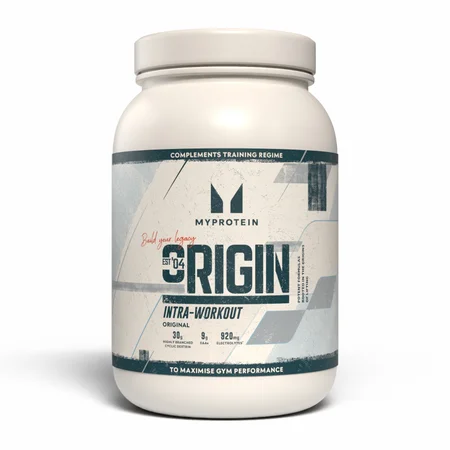
Origin Intra-Workout
or THE Pre-Workout Gel
or THE Electrofuel
Sustain power output during ultramarathon running with 60-90g/hour carbs, 500-1,000mg/hour sodium, and 400-800ml/hour fluids.
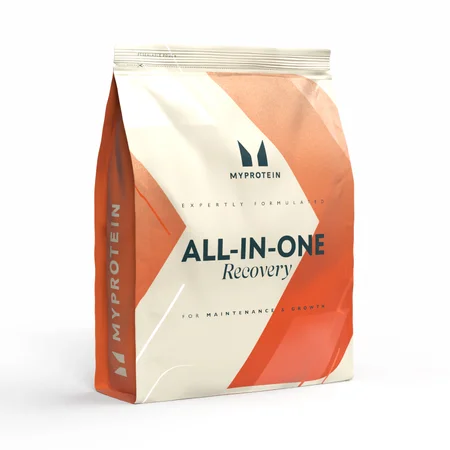
All-In-One Recovery
or Plant Protein Superblend
or THE Recovery
Kickstart recovery after ultramarathon running with 20-30g protein, 800-1,200mg sodium, and 1,500ml+ fluids.
Fuel Up
Ultramarathon Guide FAQ
Ultramarathon running demands sustained aerobic energy for 5+ hours, relying heavily on fat oxidation and carbohydrate availability. Starting with fully topped-off glycogen stores is essential. Consuming 40-60g of carbohydrates and 500-700mg of sodium 30-90 minutes before starting supports your workout readiness and prepares the body for significant fluid losses. For this reason, we've included Origin Pre-Workout, Pre-Workout Gummies, and THE Pre-Workout in your preferred stack—these convenient pre-session formats are designed to be consumed before training, helping you establish a consistent pre-run routine.
For ultramarathon running, we recommend Origin Intra-Workout, THE Energy Gel, and THE Electrofuel. These portable formats are designed for easy consumption during activity without interrupting your rhythm. For activities lasting over 5 hours, high carbohydrate availability is the primary performance driver. Carbohydrate-electrolyte solutions contribute to the maintenance of endurance performance during prolonged endurance exercise¹, making these products valuable for hitting your 60-90g/hour carb and 500-1,000mg/hour sodium targets.
The extreme duration and eccentric muscle contractions of ultramarathon running cause significant muscle damage. Protein contributes to the maintenance of muscle mass², making post-session nutrition an important recovery component. We've selected All-In-One Recovery, Plant Protein Superblend, and THE Recovery for your preferred stack because they provide convenient post-workout formats that can be consumed quickly after training. These products are specifically formulated for recovery timing, allowing you to meet your 20-30g protein needs within the optimal 30-60 minute post-session window.
Ultramarathon runners typically need 60-90g carbohydrate per hour during the race. This intake supports glycogen stores and maintains performance during prolonged effort. Sodium requirements average 500-1,000mg/hour to replace sweat losses. Use a combination of products like THE Electrofuel and THE Energy Gel to meet targets comfortably.
Gel formats excel for ultramarathon fuelling due to portability and rapid absorption. They're lightweight, pocket-sized, and consumed without chewing—ideal at pace. Your stack includes convenient gels for late-stage race fatigue (THE Energy Gel) and versatile powders for pre-mixed steady energy (Origin Intra-Workout). Choose based on timing needs.
Product choice depends on format preference and timing. Powder formats allow precise dosing and hydration control. Gels offer grab-and-go convenience during activity. For ultramarathon training, use powders like THE Electrofuel in your hydration vest and keep THE Energy Gel for when mental fatigue peaks. Neither is superior—they serve different scenarios.
Race-day nutrition is only part of the bigger picture. How you fuel before and after ultramarathon running makes a huge difference to your training and recovery. For everyday support, explore our Protein Guide to find the right protein for your goals, and try our Goal Selector to build a supplement routine tailored to you.
¹ Carbohydrate-electrolyte solutions contribute to the maintenance of endurance performance during prolonged endurance exercise.
² Protein contributes to the maintenance of muscle mass.