Time Trials Guide
Time trials demand sustained threshold power with every second counting against the clock. From the first pedal stroke to the finish line, smart nutrition helps you maintain power and recover effectively. This mini guide breaks time trial fuelling into three simple stages to help you perform at your peak throughout.
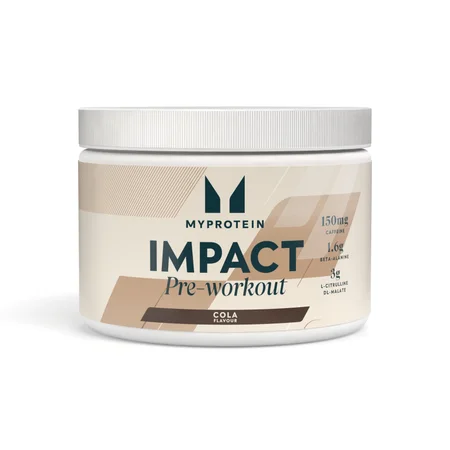
Impact Pre-Workout
or THE Pre-Workout Gel
or THE Pre-Workout
Ready yourself for sustained efforts with 30-45g fast-acting carbs, 300-500mg sodium, and 200-400mg caffeine.
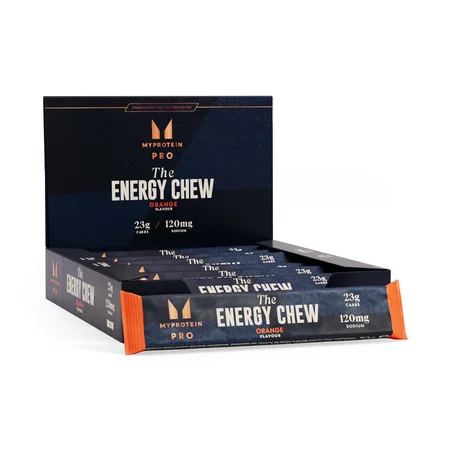
THE Energy Chew
or THE Energy Gel
or THE Electro
Sustain power output during time trial efforts with 20-30g/hour carbs and 300-700mg/hour sodium.
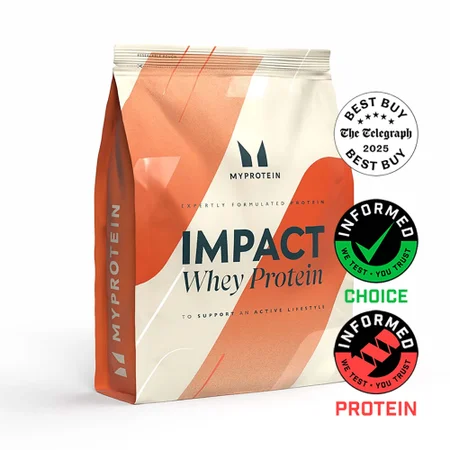
Impact Whey Protein
or Impact Vegan Protein
or THE Whey
Kickstart recovery after high-intensity time trials with 20-30g protein and 750-1,000ml fluids.
Fuel Up
Time Trials Guide FAQ
Time trials demand sustained near-threshold power for 20-90 minutes with minimal intensity variation. Consuming 30-45g carbohydrates up to an hour before your time trial supports energy delivery (1). Sodium at 300-500mg supports pre-hydration, particularly important for sweaty indoor efforts, while 200-400mg of caffeine helps to improve your concentration and alertness (2).
For this reason, we've included Impact Pre-Workout, THE Pre-Workout Gel, and THE Pre-Workout in your preferred stack. These convenient pre-session formats are designed to be consumed before high-intensity efforts, helping you establish a consistent pre-race routine that supports optimal preparation.
For time trials, we recommend THE Energy Chew, THE Energy Gel, and THE Electro. These portable formats are designed for easy on-the-go consumption when every second counts.
For efforts under 45 minutes, intra-race nutrition is often minimal, relying instead on pre-loaded glycogen and occasional mouth rinses. For 45-90 minute time trials, carbs (20-30g/hour) can help maintain power output (1).
Time trial efforts push your muscles to their limits. Protein contributes to the maintenance of muscle mass (3), making post-session nutrition an important recovery component for athletes performing regular threshold training.
We've selected Impact Whey Protein, Impact Vegan Protein, and THE Whey for your preferred stack. Specifically formulated for recovery timing, these products allow you to meet your protein needs within the optimal 30-60 minute post-effort window that supports adaptation to training.
Time trial carbohydrate requirements depend on effort duration:
-
Pre-race, consume 30-45g fast-acting carbohydrates to top off glycogen stores without overwhelming digestion.
-
During efforts under 45 minutes, intra-race fueling is often minimal. For 45-75 minute time trials, target 20-30g carbohydrates per hour through easily accessible formats like pre-mixed bottle drinks or pre-taped gels.
-
Post-effort, prioritise 20-30g protein alongside carbohydrates for recovery.
Gels offer portability and free your aero bottle for plain water, but require practice to consume smoothly at race intensity. Meanwhile, drinks provide consistent hydration and fuel delivery but add bottle weight.
Many athletes use aero bottle drinks for longer efforts and reserve gels for mid-length races where minimising position breaks is critical.
Race-day nutrition is only part of the bigger picture. How you fuel before and after Time Trials makes a huge difference to your training and recovery. For everyday support, explore our Protein Guide to find the right protein for your goals, and try our Goal Selector to build a supplement routine tailored to you.
(1) Carbohydrates contribute to the recovery of normal muscle function (contraction) after highly intensive and/or long-lasting physical exercise leading to muscle fatigue and the depletion of glycogen stores in skeletal muscle. This beneficial effect is obtained with the consumption of carbohydrates, from all sources, at a total intake of 4g per kg body weight, at doses within the first 4 hours, and no later than 6 hours, following highly intensive and/or long-lasting physical exercise.
(2) Caffeine contributes to an increase in endurance performance and capacity. Caffeine helps to improve concentration and increase alertness.
(3) Protein contributes to the growth and maintenance of muscle mass.