Vegan Vitamins
104 Results
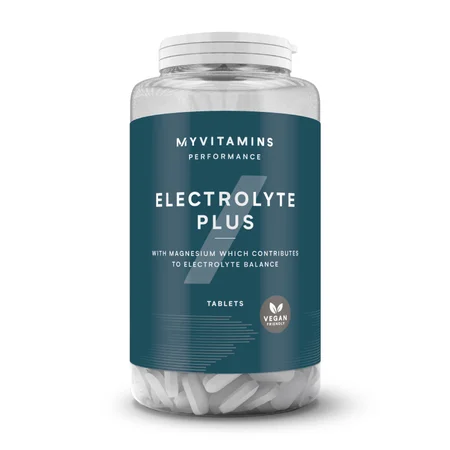
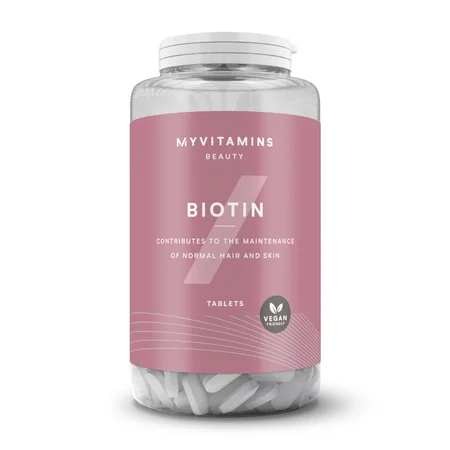
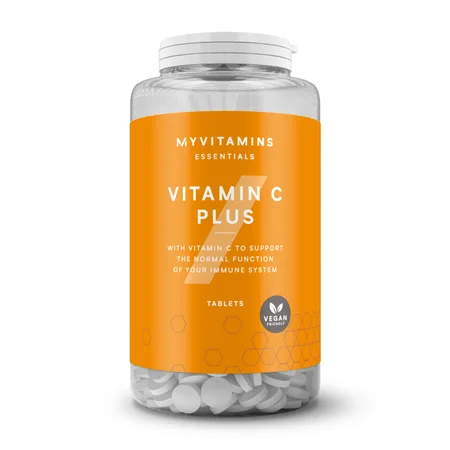
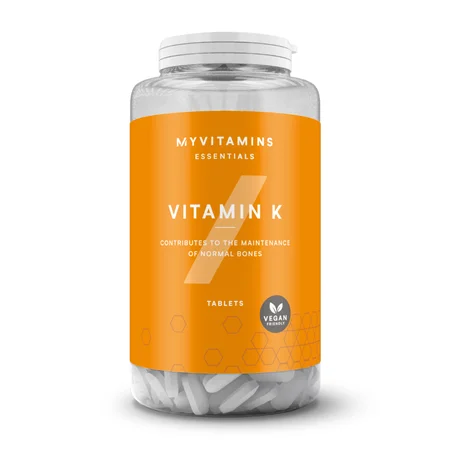
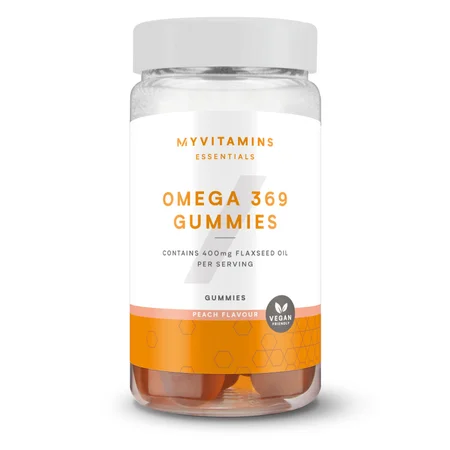
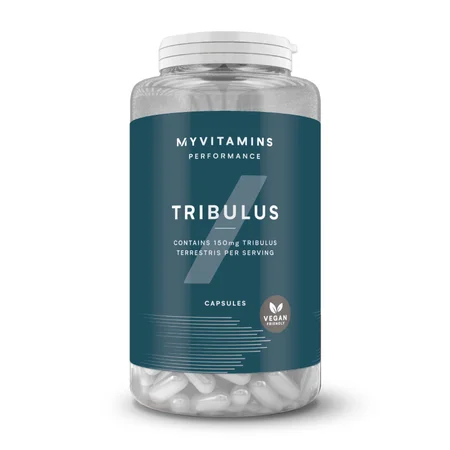
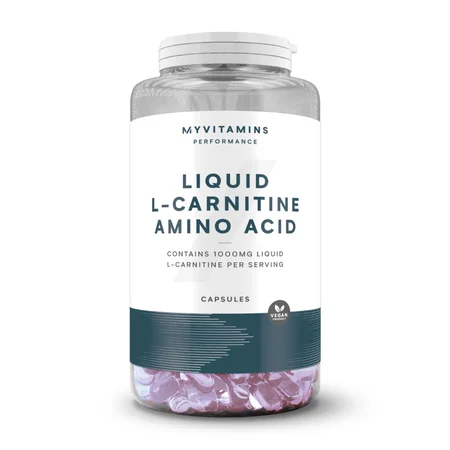
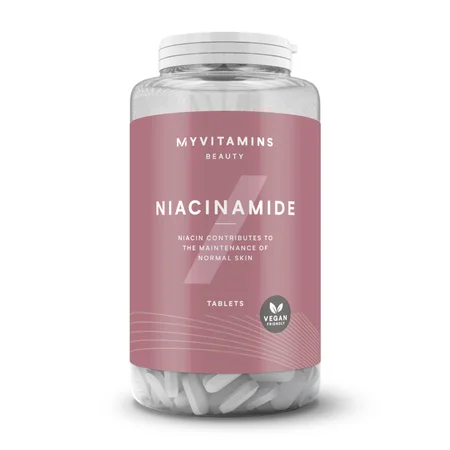
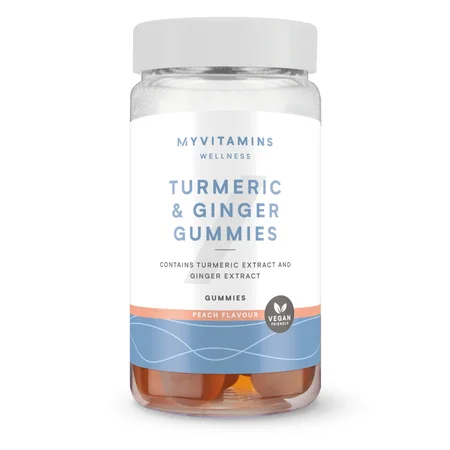
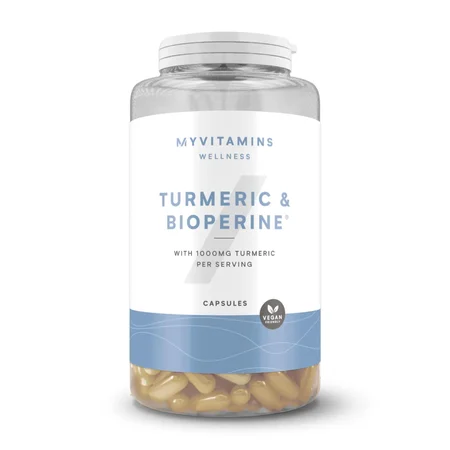
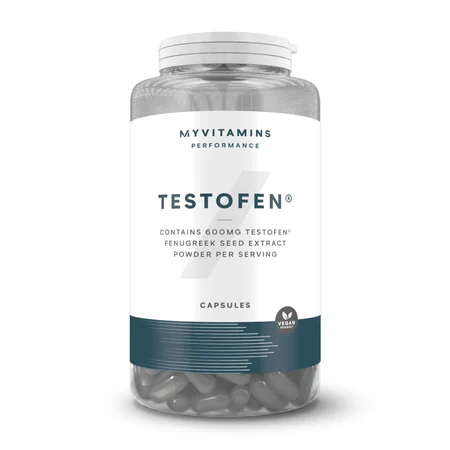
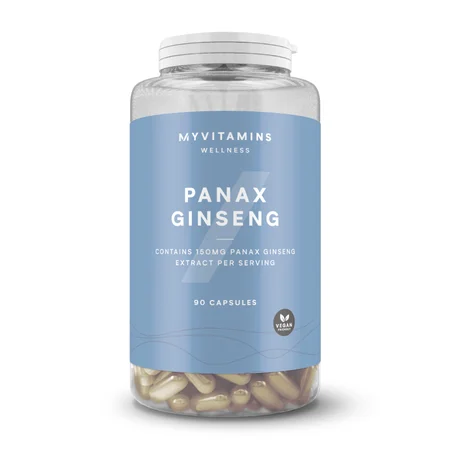
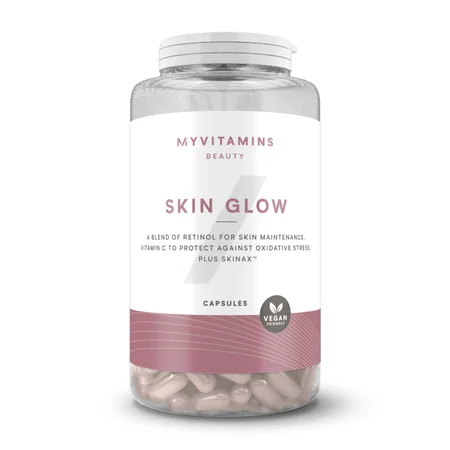
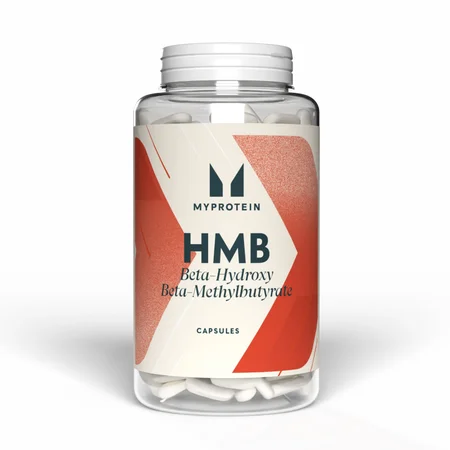
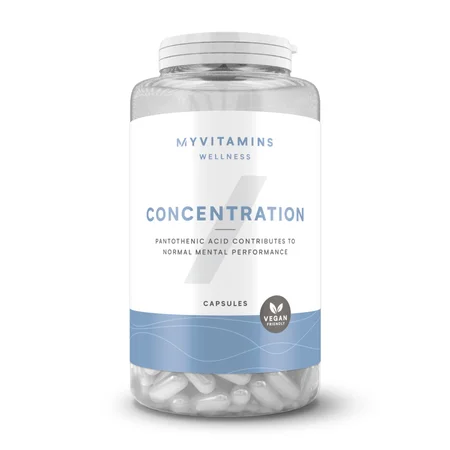
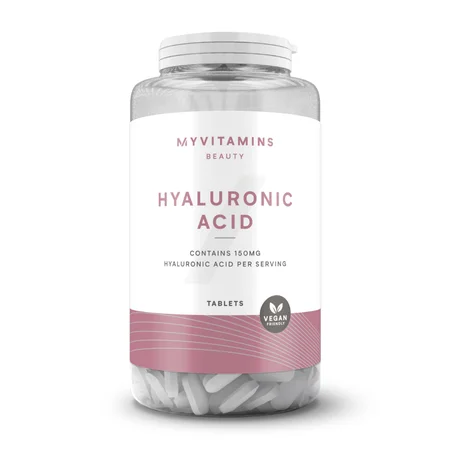
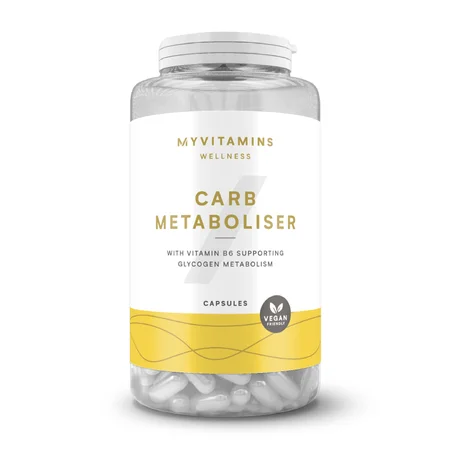
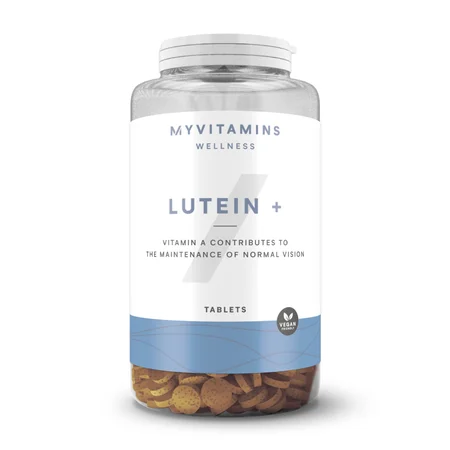
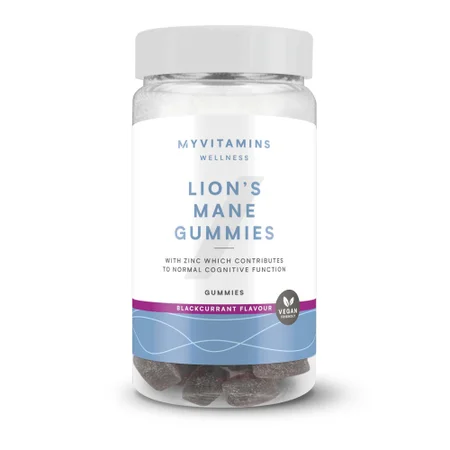
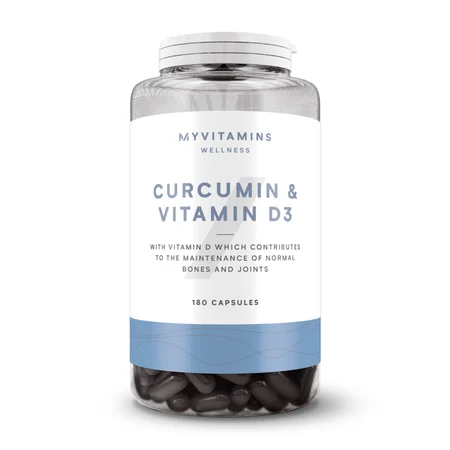
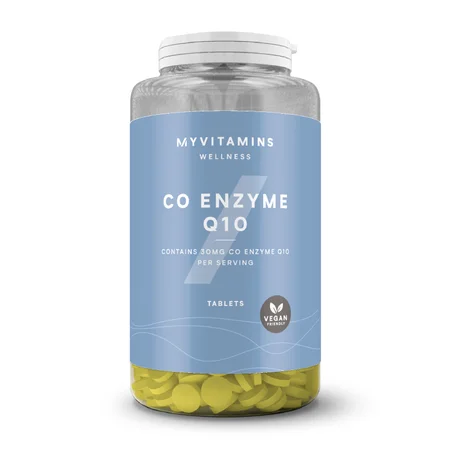
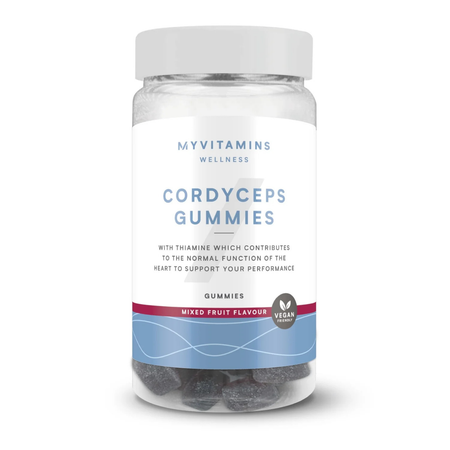


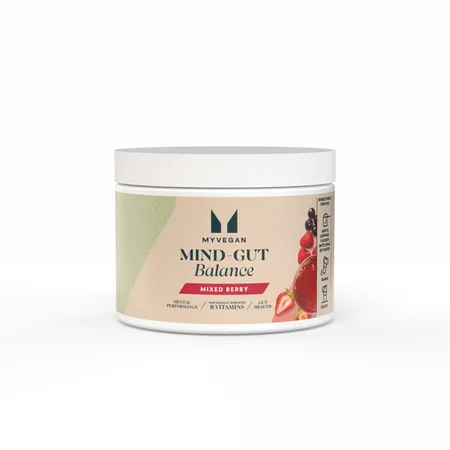
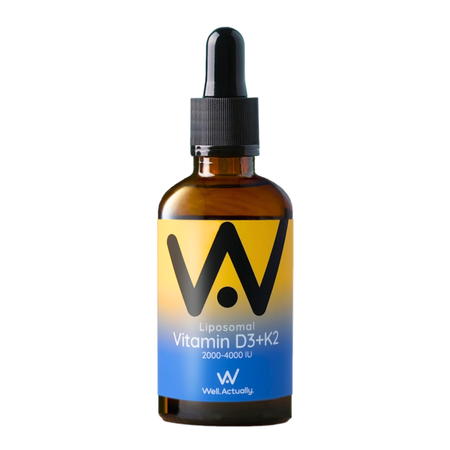
Shop Vegan Vitamins at Myprotein
Following a plant-based diet doesn't mean compromising on your nutritional needs. Vegan vitamins provide essential nutrients that can be harder to obtain from plant sources alone, helping you maintain a balanced approach to nutrition. From B12 to vitamin D, iron to omega-3, plant-based supplements offer a practical way to support your dietary choices whilst meeting your body's requirements.
Whether you're a long-term vegan, transitioning to plant-based eating, or simply looking to incorporate more plant-focused nutrition into your routine, vegan multivitamins and targeted supplements can fill potential nutritional gaps. All formulated without animal-derived ingredients, these products align with your values whilst delivering the nutrients your body needs.
Who Vegan Vitamins Are For
Vegan vitamin supplements suit anyone following a plant-based diet, from committed vegans to those exploring plant-focused nutrition. Athletes and fitness enthusiasts who've adopted vegan lifestyles often turn to these supplements to ensure they're meeting increased nutritional demands from training. Office workers, students, and busy professionals following plant-based diets also benefit from the convenience of supplementing nutrients that require more attention on a vegan diet.
These products work particularly well for those who've recently transitioned to veganism and want reassurance they're covering their nutritional bases. They're also valuable for anyone who finds it challenging to consume enough fortified foods or specific plant sources daily. Whether you're purely plant-based or flexitarian, vegan vitamins offer a straightforward way to support your dietary approach.
When to Use Vegan Vitamins
Most people take vegan multivitamins with breakfast or their first meal of the day, making it part of their morning routine. This timing works well for fat-soluble vitamins like D and E, which absorb better when consumed with food. Some prefer splitting doses throughout the day if they're taking multiple individual supplements rather than a comprehensive multivitamin.
Consistency matters more than specific timing. Taking your plant-based vitamins at the same time daily helps establish a routine you'll maintain. If certain supplements cause mild digestive sensitivity on an empty stomach, simply switch to taking them with meals. The key is finding a schedule that fits seamlessly into your lifestyle.
Vegan Vitamins Benefits
Complete Nutritional Coverage
Vegan vitamin supplements address nutrients that can be limited in plant-based diets. Vitamin B12, found primarily in animal products, is essential for nerve function and red blood cell formation1. Vitamin D contributes to the normal function of the immune system and maintenance of normal bones2, whilst iron contributes to normal cognitive function and reduction of tiredness and fatigue3.
Convenient Daily Nutrition
A single vegan multivitamin capsule or tablet can deliver multiple nutrients in one go, simplifying your supplement routine. Rather than sourcing various fortified foods throughout the day or tracking individual nutrient intakes, you get a straightforward solution. This convenience proves especially valuable during busy periods when meal planning takes a back seat.
Plant-Based Formula
Every ingredient comes from non-animal sources, with capsules often made from plant cellulose rather than gelatin. This means you're not inadvertently consuming hidden animal derivatives whilst trying to maintain a vegan lifestyle. The formulations respect your dietary choices whilst delivering effective nutrition.
Targeted Support Options
Beyond multivitamins, individual vegan vitamin supplements let you address specific needs. If you're particularly conscious about omega-3 intake, algae-based DHA supplements provide the same fatty acids found in fish oil. Zinc contributes to normal cognitive function and the normal function of the immune system4, making standalone zinc supplements useful for those wanting extra support in these areas.
Popular Picks
Need an energy boost? Mushroom Gummies deliver this amino acid compound in vegan tablet form. L-carnitine plays a role in fat metabolism and is popular among athletes and active individuals following plant-based diets.
FAQs
What are vegan vitamins?
Vegan vitamins are supplements formulated entirely without animal-derived ingredients. This includes not just the active vitamins and minerals themselves, but also the capsule materials, coatings, and any additional ingredients. Where traditional supplements might use gelatin capsules or vitamin D3 from lanolin, vegan versions use plant cellulose capsules and D3 from lichen or D2 from yeast.
How do plant-based vitamins differ from regular supplements?
The main difference lies in ingredient sourcing and formulation. Plant-based supplements derive all components from non-animal sources, whilst conventional supplements may contain ingredients like gelatin capsules, stearic acid from animal fat, or vitamin D from sheep's wool. Nutritionally, when providing the same vitamins and minerals at equivalent doses, they function identically in your body.
Which nutrients should vegans pay particular attention to?
Vitamin B12 deserves priority attention as it's virtually absent from plant foods unless fortified. Vitamin B12 contributes to normal red blood cell formation and reduction of tiredness and fatigue7. Vitamin D, especially in northern climates with limited sunlight, also warrants consideration. Iron, zinc, omega-3 fatty acids (particularly DHA), and iodine are other nutrients that benefit from attention when following a plant-based diet.
Can I get all my nutrients from food on a vegan diet?
Whilst a well-planned vegan diet provides most nutrients, certain vitamins require careful attention. B12 simply doesn't occur naturally in plant foods in a form humans can use effectively, making supplementation or fortified foods essential. Other nutrients like vitamin D, omega-3 DHA, and iron can be obtained from plant sources but may require deliberate food choices or larger quantities to meet requirements compared to omnivorous diets.
How do I choose between a vegan multivitamin and individual supplements?
Start with your diet and identify specific gaps. If you're covering most bases through fortified foods and varied plant sources but specifically need B12 and D, individual supplements make sense. If you're new to veganism or want comprehensive coverage without tracking multiple nutrients, a vegan multivitamin offers convenience. Many people use a multivitamin as their foundation and add individual supplements for nutrients they want in higher amounts.
What's the difference between vitamin D2 and D3 in vegan supplements?
Vitamin D2 (ergocalciferol) comes from irradiated yeast or mushrooms and has long been the vegan option. Vitamin D3 (cholecalciferol) traditionally came from lanolin but newer vegan versions source it from lichen. Both forms contribute to normal absorption of calcium and phosphorus and maintenance of normal bones8, though some research suggests D3 may be more effective at raising blood levels of vitamin D.
When's the best time to take vegan vitamin supplements?
Fat-soluble vitamins (A, D, E, K) absorb better when taken with meals containing some fat from sources like nuts, seeds, or avocado. Water-soluble vitamins (B-complex, C) can be taken any time, though some people prefer mornings to avoid any potential sleep disruption from B vitamins. The most important factor is consistency, so choose a time you'll remember daily.
Are vegan omega-3 supplements as effective as fish oil?
Vegan omega-3 supplements sourced from algae provide DHA and sometimes EPA, the same omega-3 fatty acids found in fish oil (fish actually get their omega-3 from eating algae). DHA contributes to the maintenance of normal brain function and normal vision9. The bioavailability is comparable, meaning your body can use algae-based omega-3s just as effectively as those from fish.
Who develops Myprotein's vegan vitamin formulations?
Myprotein's expert nutritionists develop all vegan vitamin supplements, ensuring formulations meet the specific nutritional considerations of plant-based diets. They work to create products that address common vegan nutritional gaps whilst maintaining ingredient quality and ethical sourcing standards.
Can I take vegan vitamins if I'm not fully vegan?
Absolutely. Vegan vitamins work identically for anyone, regardless of dietary approach. If you're reducing animal product consumption, transitioning to plant-based eating, or simply prefer supplements without animal-derived ingredients, vegan vitamins provide the same nutritional benefits. Many flexitarians and vegetarians choose vegan supplements for their ethical sourcing and ingredient transparency.
1. Vitamin B12 contributes to normal red blood cell formation.
2. Vitamin D contributes to the normal function of the immune system and the maintenance of normal bones.
3. Iron contributes to normal cognitive function and the reduction of tiredness and fatigue.
4. Zinc contributes to normal cognitive function and the normal function of the immune system.
5. Magnesium contributes to normal muscle function and the reduction of tiredness and fatigue.
6. Zinc contributes to normal protein synthesis.
7. Vitamin B12 contributes to the reduction of tiredness and fatigue.
8. Vitamin D contributes to normal absorption/utilisation of calcium and phosphorus and the maintenance of normal bones.
9. DHA contributes to the maintenance of normal brain function and normal vision.