Energy Bars
3 Results


Shop Energy Bars at Myprotein
When training schedules get intense and mealtimes don't always line up, having the right fuel on hand makes all the difference. Energy bars deliver carbohydrates in a convenient, portable format that fits into gym bags, desk drawers, and race-day kits without fuss.
The range includes options tailored to different training demands. Some focus purely on carbohydrate delivery for endurance sessions, whilst others combine protein and carbs for situations where you need both macronutrients. Oat-based varieties bring familiar ingredients into a grab-and-go format, and formats like chews offer an alternative texture for those who prefer something different during activity.
Who Energy Bars Are For
Athletes pushing through long training sessions need readily available carbohydrates to keep going. Runners tackling distance, cyclists on multi-hour rides, and anyone engaged in sustained physical activity will find these bars fit naturally into their nutrition strategy. The portability means you can carry fuel without needing refrigeration or preparation.
Beyond endurance athletes, anyone with demanding schedules benefits from having convenient nutrition close at hand. If you're rushing between gym sessions and meetings, or need something quick before morning training, energy bars provide a practical solution. They're equally useful for active individuals who want proper fuel without relying on less nutritious snack options throughout the day.
When to Use Energy Bars
Timing matters when it comes to fuelling your training. Many people consume energy bars 30-60 minutes before exercise to ensure carbohydrates are available when activity begins. During longer sessions lasting over 90 minutes, eating a bar midway through can provide the carbohydrates needed to sustain effort without breaking stride.
Post-training represents another key window. Bars containing both protein and carbohydrates work well after intense sessions when you need both macronutrients but want something more convenient than preparing a full meal. The protein content in certain varieties contributes to the growth and maintenance of muscle mass1, whilst carbohydrates contribute to the recovery of normal muscle function after highly intensive and/or long-lasting physical exercise leading to muscle fatigue and the depletion of glycogen stores in skeletal muscle2.
Energy Bars Benefits
Convenient Carbohydrate Delivery
Energy bars pack carbohydrates into a format you can stash anywhere. No mixing, no refrigeration, no preparation required. Just unwrap and consume when you need fuel, whether that's before heading out the door or midway through a long ride.
Options for Different Training Demands
Pure carbohydrate bars focus solely on providing fuel for endurance activities. Combination bars deliver both protein and carbs in one package, suitable for situations where you want both macronutrients without carrying multiple products. Different formats suit different preferences and training scenarios.
Portable Nutrition Without Compromise
Proper nutrition shouldn't require compromising your schedule. Energy bars travel well, survive in gym bags, and don't require specific storage conditions. This portability means you can maintain your nutrition strategy regardless of where training takes you.
Familiar Ingredients in Practical Formats
Many options feature oats, grains, and recognisable ingredients rather than unfamiliar compounds. This familiarity means you're consuming ingredients you understand, just packaged for convenience. Oat-based varieties bring the benefits of whole grains into a grab-and-go format.
Popular Picks
Looking for traditional flavour and texture? Oat Protein Flapjack combines the familiar taste of flapjack with added protein, delivering both carbohydrates and 16g of protein per bar. The oat base provides a recognisable ingredient profile in a format that works before or after training.
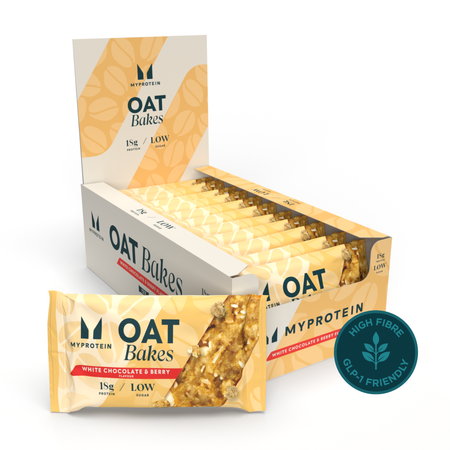
Want something with oat grain fibre? Protein Oatbakes bring a baked texture rather than a chewy bar format. Each serving delivers protein alongside oats, offering an alternative texture for those who prefer something closer to traditional baked goods in their sports nutrition.
Need pure carbohydrate fuel for endurance? THE Energy Chew | Carbohydrate Bar focuses specifically on carbohydrate delivery without protein. The chewable format provides a different texture and mouth feel, particularly useful during activity when you want fuel without heaviness.
After a complete refuelling option? THE Re-Fuel Protein Bar | Carbohydrate & Protein Bar delivers both macronutrients in one package. With 21g protein and substantial carbohydrates, it's designed for post-training situations when you need comprehensive nutrition but want the convenience of a bar format.
FAQs
What exactly are energy bars?
Energy bars are portable nutrition products designed to deliver carbohydrates, and in some cases protein, in a convenient solid format. They typically feature ingredients like oats, grains, and various carbohydrate sources compressed into a bar or chewable form that requires no preparation or refrigeration.
The category includes pure carbohydrate options focused on fuelling endurance activity, as well as combination bars containing both protein and carbs. Formats range from traditional flapjack-style bars to chewable varieties and baked oat products, each offering different textures and ingredient profiles to suit various preferences and training scenarios.
How do energy bars differ from protein bars?
Energy bars prioritise carbohydrate content to fuel physical activity, whilst protein bars focus primarily on delivering protein with lower carbohydrate levels. Pure energy bars contain predominantly carbohydrates with minimal protein, making them suitable for endurance activities where carbohydrate is the primary fuel source needed.
Some products blur this distinction by offering both macronutrients in substantial amounts. These combination bars deliver enough protein to contribute to muscle mass alongside carbohydrates for refuelling, making them more versatile for situations where you want both nutrients in one convenient package rather than carrying separate products.
When during training should I consume an energy bar?
Consuming an energy bar 30-60 minutes before training ensures carbohydrates are available when exercise begins. This pre-training window allows time for digestion without sitting too heavily during activity, particularly useful before morning sessions when you haven't eaten for hours.
During prolonged exercise lasting over 90 minutes, consuming a bar midway through provides additional carbohydrates to sustain effort. Post-training represents another strategic timing, especially with bars containing protein, as protein contributes to the growth and maintenance of muscle mass whilst carbohydrates contribute to the recovery of normal muscle function after highly intensive exercise leading to muscle fatigue.
Which energy bar format suits endurance training best?
Pure carbohydrate bars and chews work particularly well during endurance activities because they focus specifically on carbohydrate delivery without protein or fat that might slow digestion. The chewable format offers an alternative texture that some athletes prefer during activity, as it requires less effort to consume whilst moving.
For longer training sessions, having multiple bars allows you to fuel at regular intervals without carrying bulky alternatives. The lightweight, compact nature means you can stash several in jersey pockets or running belts without significant weight penalty, making them practical for distance events and extended training sessions.
Can I use energy bars as meal replacements?
Energy bars are designed as convenient nutrition for training scenarios rather than comprehensive meal replacements. Whilst they provide carbohydrates and in some cases protein, they don't typically deliver the full range of nutrients, fibre, and micronutrients found in balanced meals containing vegetables, fruits, and varied protein sources.
That said, bars serve well as interim solutions when proper meals aren't immediately available. If you're caught between commitments or need something quick before early training, an energy bar provides functional nutrition until you can consume a more complete meal later. They complement balanced nutrition rather than replacing it entirely.
What ingredients should I look for in quality energy bars?
Recognisable ingredients like oats, grains, and straightforward carbohydrate sources indicate a bar built around familiar nutrition rather than unfamiliar compounds. Oat-based varieties bring whole grain benefits in a portable format, whilst those featuring multiple carbohydrate sources can provide energy through different digestive pathways.
For bars intended to provide both macronutrients, check the protein content alongside carbohydrates. Quality combination bars deliver substantial amounts of both rather than token quantities of one or the other. Ingredient lists that prioritise real food components over extensive additive lists generally indicate products focused on nutrition rather than just palatability.
How do oat-based energy bars differ from other varieties?
Oat-based bars feature whole grain oats as a primary ingredient, bringing the familiar texture and flavour of traditional flapjacks into sports nutrition. Oats provide carbohydrates through a whole grain source rather than isolated sugars or processed carbohydrates, offering an ingredient profile that many people recognise and prefer.
The texture of oat bars tends to be more substantial and filling compared to lighter chewable formats. This makes them particularly suitable for pre-training consumption or situations where you want something more satisfying. Some oat varieties also contain oat grain fibre, adding another dimension to their nutritional profile beyond pure carbohydrate delivery.
Who develops the energy bar products at Myprotein?
Myprotein's expert nutritionists develop the energy bar range, formulating products to meet specific training demands. This team considers factors like carbohydrate types, protein content where relevant, texture preferences, and practical usability when designing each product within the range.
The development process focuses on creating formats that work in real training scenarios rather than just theoretical nutrition. This means considering factors like how bars perform in different temperatures, whether they're easy to consume during activity, and ensuring the nutritional profile matches the intended use case whether that's pure endurance fuelling or combined protein and carbohydrate delivery.
What's the difference between bars and chewable energy formats?
Traditional bars offer a denser, more substantial texture that requires more chewing and provides a feeling of consuming something more solid. This format works well before training or during breaks when you have time to consume them properly without rushing.
Chewable formats provide a softer, easier-to-consume texture that requires less effort during activity. Many athletes prefer chews during intense exercise because they're simpler to eat whilst maintaining effort, don't require as much jaw work, and feel lighter in the stomach. The choice between formats often comes down to personal preference and the specific training situation.
How should I store energy bars to maintain freshness?
Store energy bars in cool, dry conditions away from direct sunlight and heat sources. Whilst they don't require refrigeration, excessive heat can soften bars and affect texture, particularly oat-based varieties. A cupboard, drawer, or similar storage location maintains quality better than leaving them in hot cars or direct sun.
For bars you're carrying during training, consider that body heat and outdoor temperatures will affect texture. In hot conditions, bars naturally become softer and more pliable. In cold weather, they may firm up considerably. Neither temperature extreme damages the nutritional content, but awareness of texture changes helps you choose appropriate products for the conditions you'll face.
1. Protein contributes to the growth and maintenance of muscle mass.
2. Carbohydrates contribute to the recovery of normal muscle function (contraction) after highly intensive and/or long-lasting physical exercise leading to muscle fatigue and the depletion of glycogen stores in skeletal muscle.