Nut Butters
5 Results
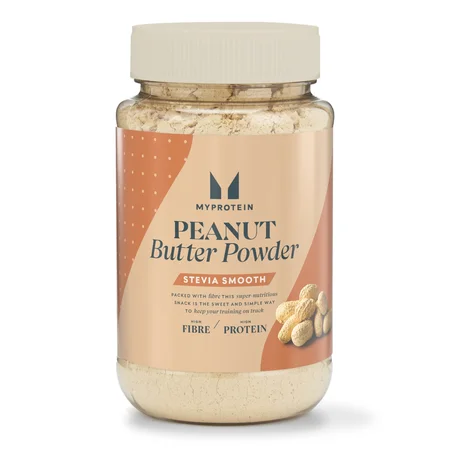

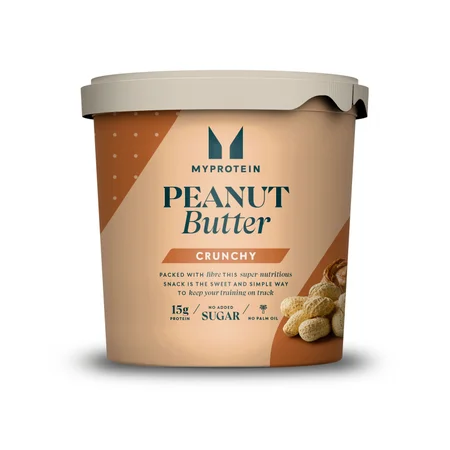
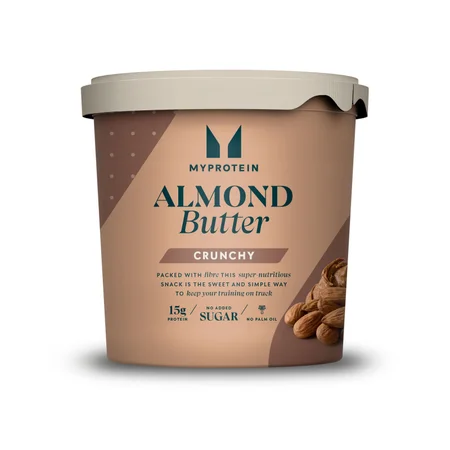
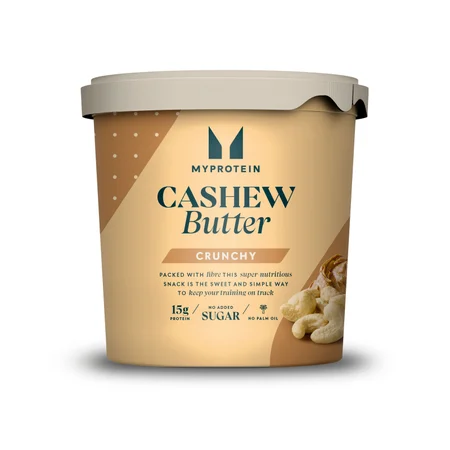
Shop Nut Butters at Myprotein
Nut butters pack serious nutritional density into every spoonful. Made from ground nuts, they deliver protein, healthy fats, and essential nutrients in a format that works anywhere - spread on toast, stirred into porridge, or eaten straight from the jar.
The range covers everything from pure, single-ingredient options to protein-packed powdered versions and indulgent chocolate blends. Whether you're after the classic richness of peanut butter, the smooth luxury of almond, or the creamy sweetness of cashew, there's a jar to match your taste and nutritional goals.
Who Nut Butters Are For
Anyone looking to add nutrient-dense calories to their diet will find nut butters invaluable. Athletes and gym-goers rely on them for convenient protein and healthy fats between meals. The combination of nutrients makes them particularly useful for those tracking macros or needing energy-dense foods that don't require preparation.
People who struggle to hit daily calorie targets appreciate how satisfying nut butters are in small servings. They work equally well for busy professionals grabbing breakfast on the go, students needing convenient snacks, or home cooks wanting to add depth and nutrition to their recipes.
When to Use Nut Butters
Morning routines become more nutritious with nut butter on wholegrain toast or blended into smoothies. Pre-workout, a spoonful delivers sustained energy from fats and protein. Many people keep a jar at their desk for that mid-afternoon moment when hunger strikes but proper meals are hours away.
Post-training, nut butters pair brilliantly with fruit or protein shakes. Before bed, a small serving provides slow-releasing nutrients. Basically, they slot into any point in your day when you need something nutritious without fuss.
Nut Butters Benefits
Protein Content
Most nut butters contain around 25-30g of protein per 100g. This makes them a useful addition to meals and snacks when you're tracking protein intake throughout the day.
Healthy Fats
The natural oils in nuts provide monounsaturated and polyunsaturated fats. These fats are part of balanced nutrition and make nut butters particularly satiating.
Versatility in the Kitchen
From breakfast porridge to curry sauces, nut butters add richness and depth to countless dishes. They work in sweet and savoury recipes, blend seamlessly into drinks, and require zero preparation.
Convenient Nutrition
A jar of nut butter needs no refrigeration, travels well, and lasts for months. This makes hitting nutritional targets considerably easier when life gets hectic.
Popular Picks
Need the protein without the calories? Powdered Peanut Butter - Fat content is reduced by up to 90% whilst keeping all the peanut flavour. Just add water to create a spread, or throw the powder straight into shakes and smoothies for an instant taste upgrade.
Want something indulgent? Choc Nut Butter - This combines the richness of hazelnuts with real cocoa for a chocolate spread that actually delivers nutritional value. Unlike typical chocolate spreads, you're getting proper protein and healthy fats alongside the taste.
Looking for pure simplicity? All-Natural Peanut Butter - Nothing but 100% roasted peanuts. No added oils, no sugar, no palm fat. The ingredient list is refreshingly short, and the taste is pure, rich peanut.
After something smoother? All-Natural Almond Butter - Made from nothing but roasted almonds, this delivers a lighter, slightly sweeter flavour than peanut butter. The texture is silky smooth and works beautifully in both sweet and savoury applications.
Want luxurious creaminess? All-Natural Cashew Butter - Cashews create the creamiest, most delicate nut butter of the lot. The naturally sweet, mild flavour makes it incredibly versatile for cooking, especially in Asian-inspired dishes and desserts.
FAQs
What exactly are nut butters?
Nut butters are simply ground nuts, processed until their natural oils release and create a smooth, spreadable paste. The all-natural versions contain nothing but nuts - no additives, oils, or sweeteners. Some varieties include added ingredients like cocoa, salt, or sweeteners to create different flavour profiles.
How do different nut butters compare nutritionally?
Peanut butter typically offers the highest protein content at around 25-30g per 100g. Almond butter contains similar protein levels but with slightly more fibre and vitamin E. Cashew butter is lower in protein but higher in minerals like magnesium and zinc.
All nut butters provide healthy fats, though the exact fatty acid profile varies. Peanut and almond butters tend to be richer in monounsaturated fats, whilst others contain more polyunsaturated fats. Powdered versions dramatically reduce fat content by removing most of the natural oils.
What's the difference between regular and powdered nut butter?
Powdered nut butter has had up to 90% of its fat content removed through pressing. This creates a fine powder that you can reconstitute with water to make a lower-calorie spread. The protein content remains largely intact, making it useful when you want the flavour and protein without the fat and calories.
Regular nut butter retains all the natural oils, giving it that classic thick, creamy texture straight from the jar. The fat content makes it more satiating and energy-dense, whilst the powder form offers more flexibility in how you use it.
How should I choose between different nut butters?
Start with your flavour preference - peanut butter has that classic, bold taste, whilst almond is milder and slightly sweet. Cashew butter is the creamiest and most delicate. If you're watching calories but want the taste, powdered versions let you control consistency whilst keeping calories lower.
For pure nutrition without extras, the all-natural range contains only nuts. If you want something more indulgent, the chocolate nut butter satisfies sweet cravings whilst still delivering protein and healthy fats. Think about how you'll use it too - some work better in cooking, others are perfect for eating straight from the jar.
When's the best time to eat nut butter?
There's no single best time - nut butters work throughout the day. Many people have them at breakfast for sustained morning energy, or as a pre-workout snack an hour or two before training. The combination of fats and protein means they digest more slowly than simple carbohydrates.
Post-workout, they pair well with faster-digesting carbs like fruit or in a protein shake. Between meals, a spoonful helps bridge the gap when you need something substantial. Some people even have a small serving before bed for slow-releasing nutrients overnight.
Who developed these nut butters?
Myprotein's expert nutritionists developed this range to deliver high-quality nut butters that meet the needs of active people. Each product has been formulated to maximise nutritional value whilst keeping ingredient lists clean and simple where possible.
How can I use nut butter beyond spreading it on toast?
Nut butters transform smoothies and protein shakes, adding richness and flavour depth. Stir them into porridge or yoghurt for extra protein and healthy fats. In cooking, they work brilliantly in satay sauces, salad dressings, and marinades.
For baking, nut butters add moisture and protein to cookies, brownies, and energy balls. You can even use them in savoury dishes like stir-fries and curries. The powdered versions are particularly versatile - sprinkle them on fruit, mix into pancake batter, or blend into coffee for a nutty twist.
What makes all-natural nut butters different from regular supermarket versions?
All-natural nut butters contain only nuts - nothing else. Many supermarket versions add palm oil, sugar, salt, and stabilisers to create a smoother texture that doesn't separate. Whilst this makes them more spreadable straight from the jar, it dilutes the nutritional density.
Natural nut butters will separate as the oils rise to the top - that's completely normal and just requires a quick stir. You're getting pure nuts with all their natural protein, healthy fats, and nutrients intact, without any unnecessary additives.
How long do nut butters last once opened?
Unopened jars typically last for months in a cool, dark cupboard. Once opened, all-natural versions without preservatives are best consumed within 2-3 months, though they'll often last longer if stored properly. Keep the lid tightly sealed and use a clean spoon each time to prevent contamination.
You don't need to refrigerate nut butters, though some people prefer the firmer texture that chilling creates. If you see oil separation, that's normal for natural versions - just give it a good stir. Powdered nut butters have an even longer shelf life since most of the fat has been removed.
Can I use nut butters if I'm tracking macros?
Absolutely. Nut butters are easy to measure and track - just weigh them for accuracy since they're calorie-dense. Regular nut butters provide a good balance of protein and healthy fats, making them useful for hitting fat macros whilst contributing to protein targets.
Powdered versions give you more flexibility, especially if you're on lower-fat macros but still want the flavour and some protein. You can adjust the thickness by varying how much water you add, making it easier to fit specific portions into your daily targets.