Free standard delivery on £50 spend Extra 10% off our App Earn £15 Credit? Over 205k reviews & 4.4 rated UP TO 50% OFF
+ UK & EUROPE'S NO. 1 SPORTS NUTRITION BRAND SHOP NOW

Omega 3 & Fish Oils

Our range of omega-3 and fish oil supplements are a super-convenient and inexpensive way to get more of the omega-3 fatty acids eicosapentaenoic acid (EPA) and docosahexaenoic acid (DHA) into your diet.

discounted price £8.49‎
Was £9.99‎
Save £1.50‎
£10.99‎
discounted price £8.49‎
Was £10.99‎
Save £2.50‎
discounted price £7.99‎
Was £10.99‎
Save £3.00‎
discounted price £6.49‎
Was £10.99‎
Save £4.50‎
discounted price £22.99‎
Was £23.99‎
Save £1.00‎
discounted price £33.99‎
Was £41.99‎
Save £8.00‎

Shop Omega 3 & Fish Oils at Myprotein


Your body can't produce omega-3 fatty acids, which means you need to get them through your diet or supplementation. These essential fats are found in fatty fish, but keeping up with regular fish intake isn't always practical. That's where omega-3 supplements come in.


Fish oils deliver concentrated doses of EPA and DHA, the two main omega-3s found in marine sources. Whether you eat fish regularly or not at all, supplementing ensures consistent intake. Choose from traditional fish oil capsules, high-strength formulas, or plant-based alternatives sourced from algae.


Who Omega 3 & Fish Oils Are For


Anyone looking to add omega-3s to their routine can benefit from these supplements. They're particularly useful if you don't eat oily fish several times a week, follow a plant-based diet, or simply want a convenient way to maintain consistent intake alongside your training and nutrition plan.


Athletes, gym-goers, and active individuals often include omega-3s in their supplement stack. From strength training to endurance sports, people across all fitness levels use fish oils as part of their daily routine. Vegan options make these essential fats accessible regardless of dietary preferences.


When to Use Omega 3 & Fish Oils


Take omega-3 supplements with meals containing fat to help with absorption. Many people split their daily dose between breakfast and dinner, while others prefer taking their full serving with their largest meal of the day. Either approach works, so choose what fits your routine.


Consistency matters more than timing. Whether you take them morning or evening, what counts is making omega-3s a regular part of your daily supplement regimen. Keep your bottle somewhere visible as a reminder, and pair the habit with something you already do each day.


Omega 3 & Fish Oils Benefits


Essential Fatty Acids

EPA and DHA are long-chain omega-3 fatty acids that your body cannot synthesise efficiently. Supplementation provides these essential fats in concentrated amounts, delivering what would otherwise require multiple servings of fatty fish each week.


Convenient Daily Intake

Softgel capsules make it simple to get omega-3s without planning meals around fish. Each serving delivers a measured dose of EPA and DHA, removing the guesswork from your nutrition. Throw a bottle in your gym bag or keep one at your desk for easy daily use.


Options for Every Diet

Traditional fish oil suits most people, while algae-based omega-3s provide a plant-based alternative with the same EPA and DHA profile. Cod liver oil offers additional vitamins A and D, and combination formulas blend omega-3, -6, and -9 for broader fatty acid coverage.


High-Strength Formulas

Concentrated fish oils pack more EPA and DHA into fewer capsules. If you prefer taking fewer pills or need higher omega-3 intake, these potent formulas deliver maximum content per serving without increasing capsule count.


Popular Picks


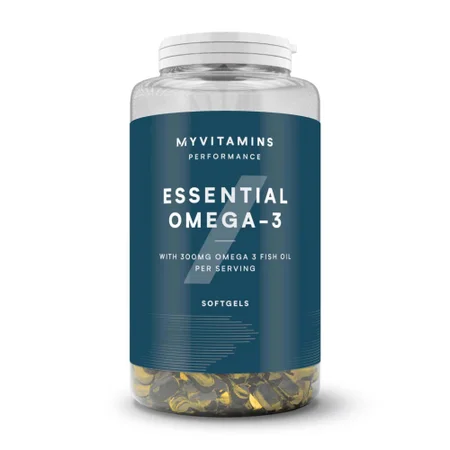
Need a straightforward option? Essential Omega-3 - Delivers 360mg EPA and 240mg DHA per serving in easy-to-swallow softgels. A reliable choice for daily omega-3 intake without fuss.


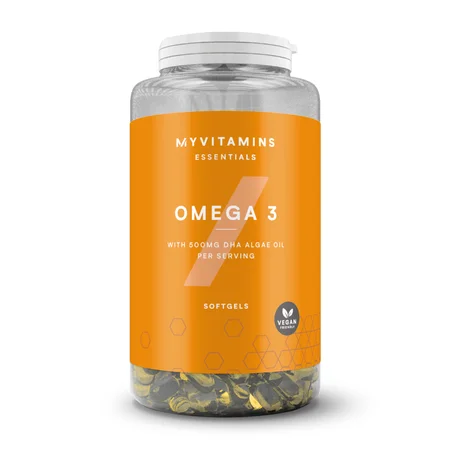
Following a plant-based diet? Vegan Omega 3 - Sourced from algae instead of fish, providing EPA and DHA suitable for vegans and vegetarians. All the essential omega-3s with none of the animal products.


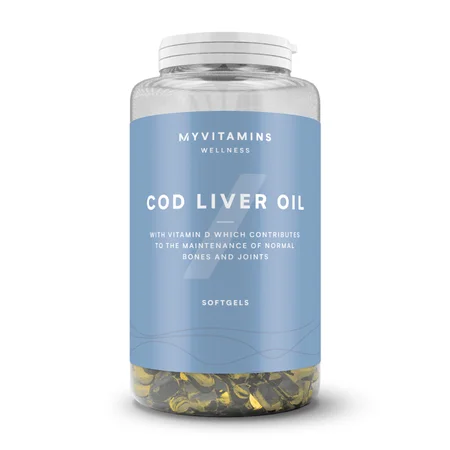
Want added vitamins? Cod Liver Oil Softgels - Combines omega-3s with naturally occurring vitamins A and D from cod liver. A traditional supplement that's been used for generations.


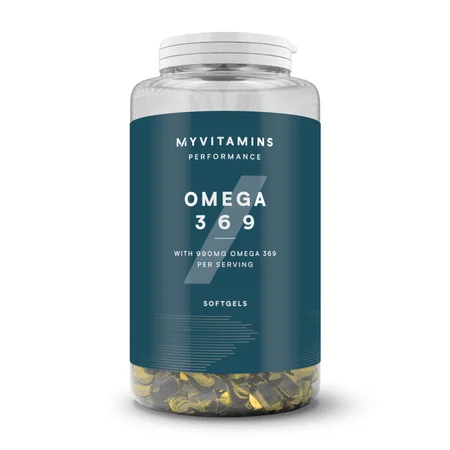
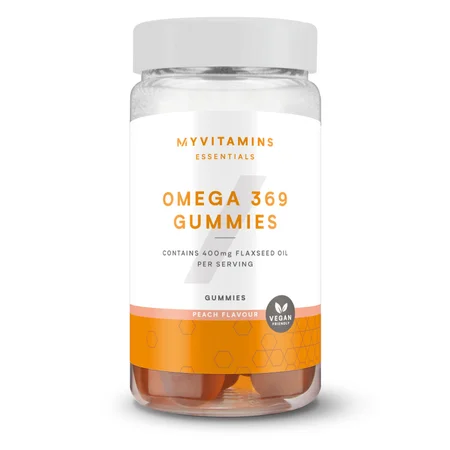
Looking for comprehensive coverage? Omega 3-6-9 Softgels - Blends omega-3 from fish oil with omega-6 and omega-9 from plant sources. Provides a broader spectrum of fatty acids in one convenient capsule.


Interested in omega-6? Evening Primrose Softgels - Contains gamma-linolenic acid (GLA), an omega-6 fatty acid derived from evening primrose oil. A different fatty acid profile for those seeking variety in their supplementation.


FAQs


What are omega-3 fatty acids?

Omega-3s are a family of polyunsaturated fatty acids that your body cannot produce on its own. The main types include EPA (eicosapentaenoic acid) and DHA (docosahexaenoic acid), which are found in marine sources, plus ALA (alpha-linolenic acid) from plant sources like flaxseed. Since your body can't synthesise these efficiently, you need to obtain them through diet or supplementation.


What's the difference between fish oil and omega-3 supplements?

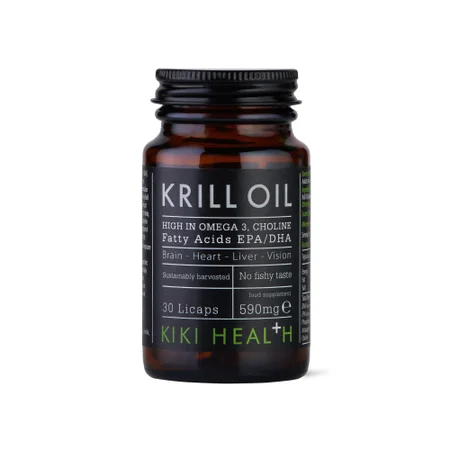
Fish oil is a type of omega-3 supplement derived from fatty fish like salmon, mackerel, and sardines. It contains EPA and DHA. Other omega-3 supplements include algae oil (plant-based source of EPA and DHA), krill oil (marine source with different molecular structure), and flaxseed oil (provides ALA instead of EPA and DHA). When people say "omega-3," they're usually referring to supplements containing EPA and DHA specifically.


How much omega-3 should I take daily?

Most fish oil supplements provide between 500mg to 1000mg of combined EPA and DHA per serving. Check your product label for the specific EPA and DHA content rather than total fish oil weight. A softgel might contain 1000mg of fish oil but only 300mg of actual omega-3s.


Serving sizes vary by product concentration. Higher-strength formulas deliver more omega-3s per capsule, meaning you take fewer pills for the same EPA and DHA intake.


Can I get omega-3s from vegan sources?

Yes, algae-based supplements provide EPA and DHA without using fish. Marine algae is actually where fish get their omega-3s in the first place. These plant-based options deliver the same long-chain omega-3 fatty acids found in traditional fish oil.


Flaxseed, chia, and hemp contain ALA, a different omega-3 that your body must convert to EPA and DHA. This conversion is inefficient, which is why algae supplements are the preferred vegan source for direct EPA and DHA intake.


What's the difference between omega-3, omega-6, and omega-9?

These numbers refer to the chemical structure of different fatty acids. Omega-3 and omega-6 are essential, meaning you must get them from food or supplements. Omega-9 is non-essential because your body can produce it.


Most Western diets contain plenty of omega-6 from vegetable oils and processed foods, but less omega-3 from fish and marine sources. Combined omega-3-6-9 supplements provide all three types, though many nutritionists suggest focusing primarily on omega-3 intake since omega-6 and omega-9 are already abundant in typical diets.


Should I take fish oil with food?

Taking omega-3 supplements with meals that contain fat helps your body absorb them more effectively. The presence of dietary fat triggers bile release, which aids in processing fat-soluble nutrients including EPA and DHA.


Some people find that taking fish oil on an empty stomach can cause mild digestive discomfort or fishy aftertaste. Pairing your dose with breakfast, lunch, or dinner typically prevents these issues while maximising absorption.


How do fish oils differ from cod liver oil?

Standard fish oil is extracted from the body tissue of fatty fish and primarily provides EPA and DHA. Cod liver oil comes specifically from cod livers and contains omega-3s plus naturally occurring vitamins A and D.


If you already take a multivitamin with vitamins A and D, standard fish oil might be more appropriate. Cod liver oil suits those wanting omega-3s alongside these additional fat-soluble vitamins in one supplement.


Who developed Myprotein's omega-3 range?

Myprotein's expert nutritionists developed this range to provide quality omega-3 supplements at accessible prices. The team formulated options for different needs, from essential fish oil to high-strength formulas, vegan alternatives, and combination products.


What strength of omega-3 should I choose?

Start with the EPA and DHA content listed on the label rather than total fish oil weight. Standard formulas typically provide 300-600mg of combined EPA and DHA per capsule, while high-strength versions may offer 800mg or more.


Higher-strength formulas mean taking fewer capsules to reach your desired omega-3 intake. If you prefer swallowing fewer pills, concentrated options deliver more EPA and DHA per serving without increasing capsule count.


Can I take omega-3 supplements if I eat fish regularly?

You can supplement alongside a diet that includes fish. Many people who eat fish occasionally still use omega-3 supplements to ensure consistent daily intake, especially on days when they don't consume fatty fish.


If you eat oily fish like salmon, mackerel, or sardines several times per week, you're already getting significant EPA and DHA through diet. In this case, you might choose a lower serving size or skip supplementation on days when you've eaten fish.