Lifting Straps
4 Results
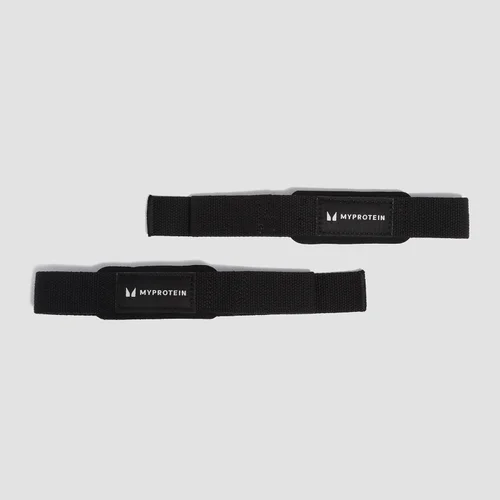
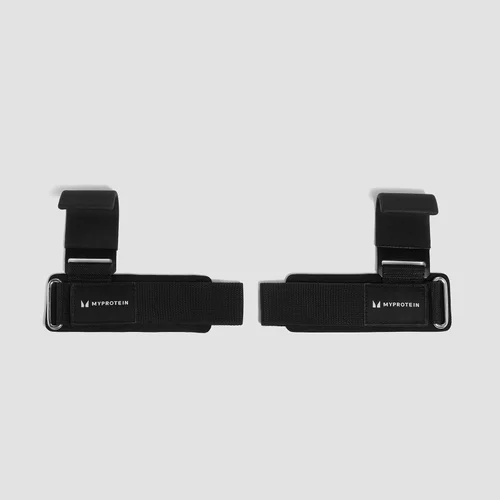
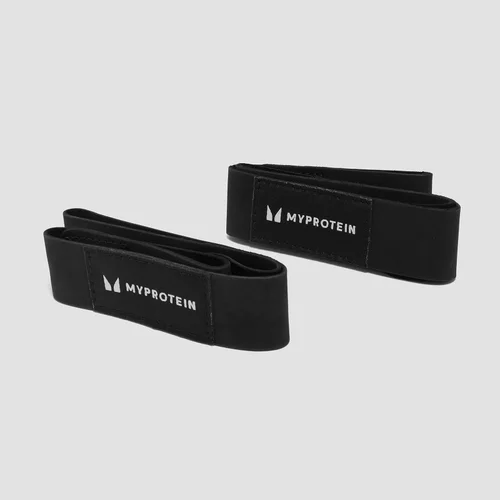
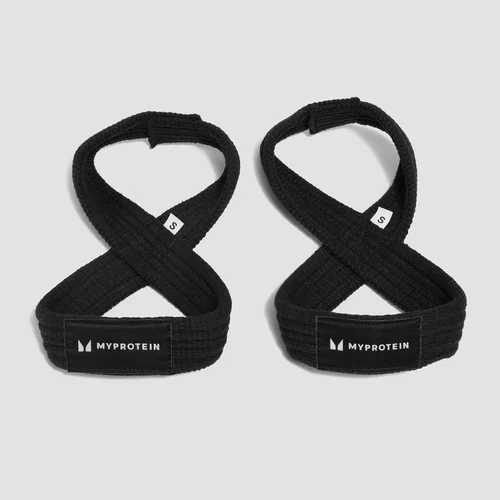
Shop Lifting Straps at Myprotein
Lifting straps are essential training accessories designed to reinforce your grip during heavy pulls, rows, and deadlifts. When the weight gets serious, grip strength can give out before your target muscles do. That's where quality lifting straps come in, wrapping securely around the bar to let you focus on the movement itself rather than holding on.
Our collection includes padded lifting straps for extra wrist comfort during high-volume sessions, alongside suede options that offer a firm, tactile grip. Whether you're pulling heavy on deadlift day or working through back-focused hypertrophy blocks, the right wrist straps lifting can make a tangible difference to your training quality.
Who This Collection Is For
These gym lifting straps suit anyone who trains with challenging loads and wants to push their working sets without grip being the limiting factor. From powerlifters maxing out on deadlifts to bodybuilders chasing muscle growth through rows and shrugs, straps open up training options that would otherwise end prematurely.
They're equally valuable for seasoned lifters managing wrist fatigue and newcomers building towards heavier weights. If you're serious about progressive overload and want your back, traps, or posterior chain to dictate when the set ends, lifting straps belong in your gym bag.
When to Use Lifting Straps
Deadlift straps prove invaluable during heavy pulling sessions where grip endurance lags behind the capacity of larger muscle groups. Use them on working sets of Romanian deadlifts, rack pulls, or barbell rows when you need to maintain tension through the target muscles without your forearms calling time early.
They're also practical for high-rep accessory work like dumbbell shrugs or pull-down variations, where sustained grip can become the bottleneck. Reserve them for the sets that truly demand them, keeping some lighter work strap-free to maintain baseline grip strength alongside your supported training.
Key Features
Reinforced Grip Support
Heavy-duty construction wraps securely around barbells, dumbbells, and cable attachments, transferring load away from fingers and palms. This lets you maintain pulling mechanics through sets that would otherwise break down due to grip failure.
Padded Wrist Comfort
Our padded lifting straps feature cushioned neoprene that sits comfortably against the wrist during extended sessions. The padding absorbs pressure without adding bulk, making them ideal for high-volume training blocks where wrist fatigue can accumulate across multiple exercises.
Durable Material Construction
Both padded and suede variants use reinforced stitching and robust fabrics designed to withstand repeated heavy loading. The materials hold up session after session, maintaining their integrity through sweaty hands, chalk dust, and the friction of aggressive knurling.
Quick-Adjust Design
Simple loop-and-wrap systems let you secure the straps in seconds between sets. No fiddly closures or complicated threading, just efficient setup that keeps rest periods short and training momentum flowing.
Popular Picks
Need padded wrist support for heavy pulling days? Myprotein Padded Lifting Straps - Black offer a classic suede finish that grips aggressively against knurled bars, ideal for lifters who prefer minimal padding and maximum bar contact during heavy rows and pulls.
FAQs
What are lifting straps used for?
Lifting straps reinforce your grip during heavy pulling exercises like deadlifts, rows, and shrugs. They wrap around the bar and your wrist, transferring load away from your hands so you can focus on working the target muscles rather than fighting to hold on. They're particularly useful when grip strength gives out before your back, traps, or hamstrings reach fatigue.
How do I choose between padded and suede lifting straps?
Padded lifting straps include cushioned neoprene around the wrist, making them ideal if you're doing high-volume sessions or find standard straps dig in during heavy sets. Suede lifting straps offer a firmer, more tactile grip against the bar with minimal padding, suited to lifters who prefer direct bar contact and don't mind a bit more pressure on the wrists. Both work effectively, it's down to personal comfort preference.
Will using weight lifting straps weaken my grip?
Using straps on every set can reduce grip training stimulus, but strategically applying them to heavy working sets while keeping warm-ups and lighter accessory work strap-free maintains grip development. Think of them as a tool to extend your capacity on demanding lifts, not a replacement for building natural grip strength.
How do I wrap lifting straps correctly?
Slide your hand through the loop so it sits around your wrist, then wrap the loose end around the bar in the direction your fingers curl. Pull tight to secure the strap against the bar, ensuring it's snug before you lift. With a bit of practice, the setup becomes second nature and takes only a few seconds between sets.
Can I use deadlift straps for other exercises?
Absolutely. While they're often called deadlift straps, they work just as well for barbell rows, rack pulls, shrugs, cable pull-throughs, and any pulling movement where grip becomes the limiting factor. The same secure wrap that helps with heavy deadlifts translates effectively across your entire back-focused training.
How do I care for my gym lifting straps?
Wipe them down after sweaty sessions and let them air dry fully before packing them away. If they get particularly grimy, hand wash in cool water with mild detergent and hang to dry. Avoid machine washing or tumble drying, as the heat and agitation can weaken stitching and degrade materials over time.
Who designs Myprotein lifting straps?
Myprotein's in-house design team develops all our training accessories, including lifting straps. They focus on durable construction, practical features, and materials that hold up under serious training loads, ensuring each product meets the demands of lifters who train consistently and progressively.
Are wrist straps lifting suitable for beginners?
Yes, though it's worth building some baseline grip strength with lighter loads before relying on straps for every set. Beginners benefit from using them on heavier working sets where grip would otherwise fail prematurely, while keeping warm-ups and moderate-weight accessories strap-free to develop natural grip endurance alongside overall strength.